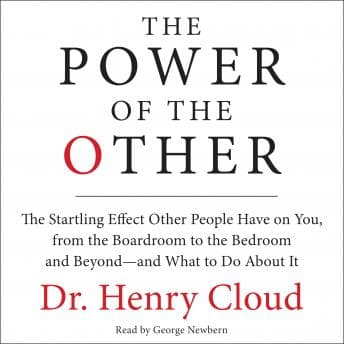

I was stuck on the 405, literally watching my life expectancy drop in real-time traffic, when I decided to queue this up. I needed a reset. Henry Cloud usually delivers that specific blend of clinical psychology and hard-nosed reality that I respect. Boundaries is required reading for any consultant who wants to survive past year three. So, I had high hopes.
Then I hit play.
First reaction? Confusion. That's not Henry Cloud.
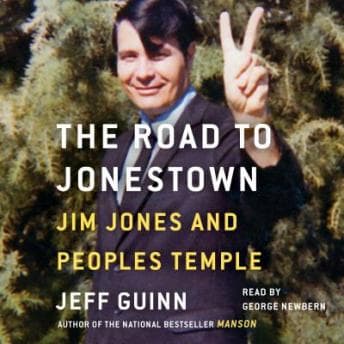
If you've listened to Cloud before, you know his voice. It's calm, authoritative, slightly southern—like a therapist who's also a disappointed dad. Instead, we get George Newbern. Look, Newbern is a professional actor. He's fine. But he sounds like he's narrating a documentary about golden retrievers, not a deep dive into the neuroscience of leadership performance. For the record, Newbern actually works when the material matches his register—We Begin at the End is a case where his measured tone earns its keep. It creates this weird dissonance where the words are heavy, but the delivery feels lightweight.
I actually checked my app to make sure I didn't accidentally download a summary. Nope. Just a casting mismatch.
The mismatch reminds me of what happened with Stranger—Newbern narrating again, and again I spent the first twenty minutes auditing the casting instead of absorbing the content. ### The Framework That Actually LandedI kept driving, mostly because I had nowhere else to go. And once I cranked the speed to 2.5x—which I highly recommend here to mitigate the narration—the actual data started to land. Cloud's premise is that the "self-made man" is a myth. My parents ran a dry cleaning business for thirty years; they would have laughed at the idea of being "self-made." They survived because of their church community. Cloud puts a scientific framework around that instinct.
He breaks human connection into four "Corners." Most of the startups I advise are stuck in Corner 1 (Disconnected) or Corner 3 (Fake Good/Flattery). Cloud argues you need "Corner 4" relationships—real connection that challenges you—to actually function. It's solid theory. I found myself mentally categorizing my last three failed clients into Corner 3. They surrounded themselves with "yes men" and wondered why they drove off a cliff.
The content is valuable. It's shorter than his other books—under six hours—which usually signals a padded article, but here it feels concise. He doesn't waste time. The breakdown of how toxic relationships physically alter your brain chemistry is fascinating and terrifying. It explains why I get a headache five minutes into certain board meetings.
### The Paper Plate ProblemHere's the issue: the audio experience fights the content. You're getting A-tier psychological advice delivered with B-tier emotional weight because of the narrator swap. It's like getting a Michelin-star meal served on a paper plate. You still eat it, but you're annoyed about the presentation.
### Who Gets the ROIListen if: You're a founder, executive, or consultant who keeps wondering why your network feels transactional. Or if you've ever looked around a boardroom and thought, "Why does everyone here make me worse?" Cloud gives you the diagnostic framework. Skip if: You're a Cloud loyalist who needs his voice to absorb the material—the narrator swap will distract you the whole way through. Grab the print version instead.
### The Consulting InvoiceJenny asked me if I learned anything. I told her I learned that even Henry Cloud can't fix a bad casting decision. But I also learned why I need her to call me out when I'm being an idiot. That's Corner 4.
Bottom line: The framework is essential. The audiobook is not.