
Three AM. The unit was quiet—too quiet, the kind of quiet that makes you knock on every wooden surface within reach. I was charting, half-listening to this audiobook, when Imogen Church's voice went from normal to what I can only describe as 'soap opera emotional' and I actually looked up from my computer like someone had walked in.
Let me back up.
The Setup That Actually Works
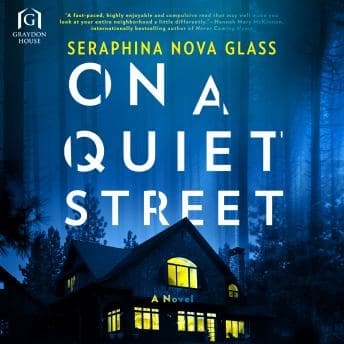
Brighton Hills, Oregon. Fancy lakefront houses, Douglas firs, the kind of neighborhood where everyone waves but nobody really knows each other. Cora thinks her husband Finn is cheating. Paige lost her son to a hit-and-run and is basically stalking the neighborhood looking for answers. Georgia, the new neighbor, is acting weird. Three women, three secrets, and a whole lot of watching each other through windows.
As someone who's actually worked a code, I appreciate when thrillers don't pretend grief is something you just 'get over.' Paige's spiral into obsessive behavior after losing her child? That tracks. I've seen parents in the ER who've lost kids. The reckless decision-making, the need to find someone to blame, the way grief makes you do things you'd never normally consider—Glass gets that right. It's not pretty, and it's not supposed to be.
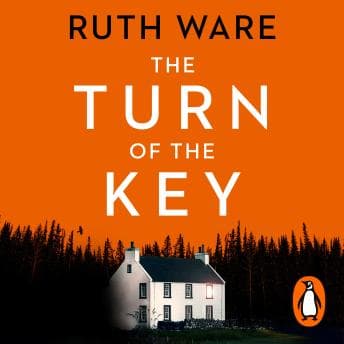
The plot itself is solid suburban noir. Everyone's hiding something. The reveals come at a decent pace. It's not reinventing the wheel, but it's a wheel that rolls smoothly. Think Ruth Ware but with more Pacific Northwest rain and less British manor house energy.
Imogen Church: A Voice That Divides
Okay. Here's where it gets complicated.
Church gives each character a distinct voice—I could always tell who was speaking, which matters in a book with multiple POVs. Her Paige is measured, grief-heavy. Her Georgia has this nervous energy. But her Cora? I'm sorry, but that voice made me want to fast-forward every time she spoke. It's pitched in this particular register that hits the ear wrong. (Carlos asked why I was making faces at my phone during breakfast. I blamed the coffee.)
And then there's the accent situation. Church is British, playing American characters, and when emotions run high—which happens a lot in a thriller—her American accent goes... theatrical. Like community theater theatrical. One minute it's fine, the next it's giving 'British actress doing an impression of what she thinks Americans sound like when they're upset.' The inconsistency pulled me out of the story more than once.
Some listeners apparently love her work. Some apparently couldn't make it past chapter two. I landed somewhere in the middle—annoyed but not enough to quit.
Who Should Hit Play (And Who Should Grab the Ebook)
If you're a Seraphina Nova Glass fan who's listened to her other books (Such a Good Wife, The Vanishing Hour), you know what you're getting. If you loved Lucy Foley's ensemble casts and Ruth Ware's domestic suspense, this fits that shelf. If narration quirks bother you to the point of distraction, maybe grab the ebook instead.
This is not a 'half-listening while charting' book. The multiple POVs and the accent switches require actual attention. I had to rewind a few times when I got pulled into actual work. Perfect for that post-shift decompression when you're awake enough to follow along but too tired to do anything else.
Shift Change Assessment
Look, I've listened to worse. I've also listened to better. The story kept me engaged through 11 hours, which is saying something when you're fighting post-shift exhaustion. The grief portrayal felt authentic. The neighborhood secrets unraveled at a satisfying pace. I've seen similar suburban tension done well in Man Who Knew Too Much, though that one had its own narration quirks. But the narration—specifically the Cora voice and the emotional accent wobbles—kept this from being something I'd enthusiastically recommend.
It's like a patient who's stable but keeps setting off false alarms. You're watching, you're engaged, but you're also a little annoyed and ready for shift change.
My mom would probably love this. She'd also probably not notice the accent issues because she's too busy being mad I'm not a doctor.