
What makes someone fall in love with a country that isn't their own?
I was grading a stack of sophomore essays on The Great Gatsby - the ones where they all discover the green light is a symbol, bless their hearts - when I started this audiobook. By the time Bryson was describing the inexplicable British devotion to queuing, I'd completely forgotten about Fitzgerald. Denise found me at midnight, red pen abandoned, laughing at a man rhapsodizing about Marmite.
The American Who Gets It (Mostly)
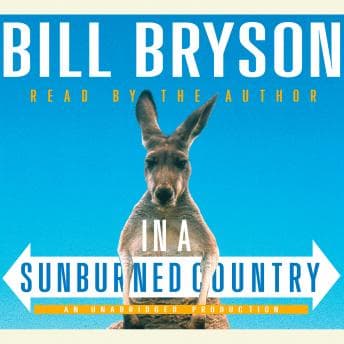
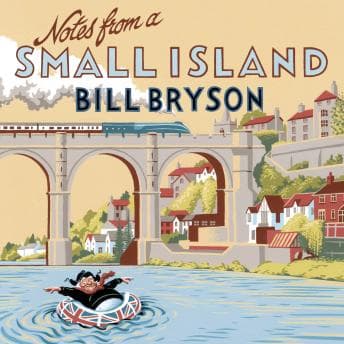
Bryson spent twenty years in Britain before writing this farewell tour, and it shows. He's not a tourist gawking at funny accents - he's an adopted son trying to explain why he loves a country that names villages things like Shellow Bowells and Farleigh Wallop. The prose deserves to be savored. When he stumbles upon Roman ruins in the countryside, there's genuine wonder there, the kind you can't fake. When he describes the particular melancholy of a seaside town in winter, I recognized something I've felt walking Chicago's lakefront in February.
But here's where it gets complicated. Bryson's affection comes bundled with a specific kind of American exasperation - the bewilderment at inefficiency, the frustration with British reserve. Some listeners hear this as charming bemusement. Others hear a whiny, entitled boomer who won't stop complaining about train schedules. (Their words, not mine. Well, maybe a little mine.)
I landed somewhere in the middle. His observations about quirky British customs are genuinely funny - I laughed out loud at his befuddlement over the national obsession with gardening programs. But occasionally the criticism tips from affectionate ribbing into something that feels... ungrateful? Like a houseguest who keeps mentioning your wallpaper is outdated.
When the Author Reads His Own Words
This is where things get interesting, and where I suspect my students would roll their eyes at my opinion. Bryson narrates this himself, and I think that's exactly right. The book is essentially a five-and-a-half-hour monologue delivered by a man who's genuinely funny and genuinely loves Britain - even when he's complaining about it. His comedic timing is impeccable. The pauses land where they should. The enthusiasm is infectious.
But - and this is a real but - some editions apparently have recording issues in the second half. Background noises, music timing problems. I didn't notice anything egregious in my listen, but fair warning. There's also a William Roberts version that some listeners prefer, finding it more polished. I haven't heard it, so I can't compare. What I can say is that Bryson's own voice feels right for material this personal. He's not performing - he's reminiscing.
The pacing is leisurely. This isn't a propulsive narrative; it's a man wandering through a country, stopping to complain about hotel breakfasts and marvel at cathedrals. If you need plot momentum, look elsewhere. If you want to feel like you're on a pub crawl with a witty friend who's read too much history, this is your book.
What Bryson's Really Getting At
Here's what struck me, grading papers at 11 PM while Bryson described his final days in Yorkshire: this is a love letter written by someone who knows he's leaving. The final pages - and I'm not spoiling anything here - are genuinely tender. All that complaining, all that exasperation, falls away, and you're left with a man who's heartbroken to be going.
This reminds me of what Hemingway said about Paris - how you never forget a place that was your home. Gambler: Secrets from a Life at Risk captures that same bittersweet nostalgia—a life lived fully in one world before walking away from it. Bryson lived in Britain for two decades. He raised his kids there. He learned to appreciate tea and tolerate the weather and navigate the particular madness of British bureaucracy. And then he left. The book is funny, yes, but underneath the humor is something melancholy. Worth pausing the faculty meeting for.
Who Should Queue Up (And Who Should Skip the Line)
If you loved Bryson's other work - A Walk in the Woods, A Short History of Nearly Everything - you'll find the same wit here, though less focused. Anglophiles and British listeners who enjoy seeing their country through American eyes will find this essential. Skip it if you need tight narrative structure or find gentle mockery of places and people off-putting.
My students would hate this. Too slow, too digressive, too much about places they've never been. I love it. But I'm also the person who listens at 1.0x because the author chose those words, and I'm ancient, and I don't care.
Class Dismissed
Listen to this on a long walk, or during a commute, or while pretending to pay attention to something else. It's perfect background for a life in progress - substantial enough to engage you, light enough to let your mind wander. Bryson's farewell to Britain made me think about the places I've loved and left, the cities that shaped me, the particular ache of going home to somewhere that's no longer quite home. At five and a half hours, it's a modest commitment for a surprisingly affecting experience. Not a landmark work - but something better, maybe. A genuine voice saying goodbye to a place he loved.