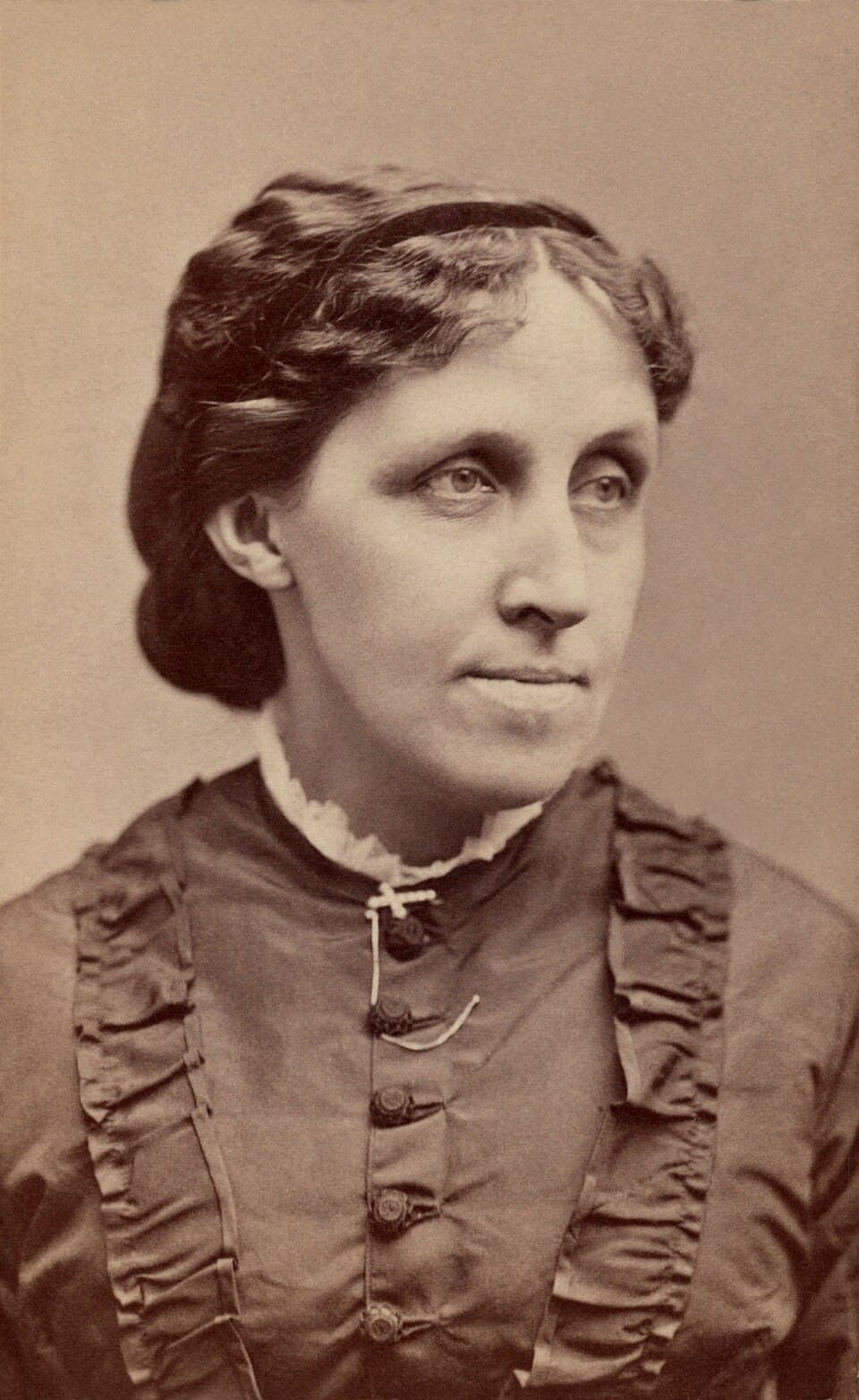

I have a professional grievance with Victorian melodramas. As a psychologist, I spend my days trying to get people to articulate their trauma, to trace the patterns of their behavior back to the source. Louisa May Alcott, taking a break from the moral rectitude of the March sisters, suggests here that generational trauma can be solved with a piece of metal and a handsome stranger. If only my dissertation defense had been that simple.
The Trevlyn family secrets are the sort of thing my mother would watch in a Bollywood soap opera—high drama, hidden lineages, and absolutely zero effective communication. I found myself diagnosing the entire cast within the first twenty minutes. The "mystery" relies entirely on people refusing to have a five-minute conversation, which, to be fair, is a pattern I see in my office every week. Housekeeper: A twisted psychological thriller takes that same dysfunction and cranks it to genuinely disturbing levels—no polite Victorian restraint there. Humans love to suffer in silence, especially if there's a damp English estate involved.
### Ashleigh Jane's Library VoiceThe narrator possesses what I call a "library voice"—clear, unobtrusive, remarkably steady. This isn't a performance that grabs you by the throat; it's one that sits politely in the passenger seat. She doesn't attempt distinct accents for every brooding male or fainting female, which actually saves the production. Nothing ruins a vintage gothic tale faster than a narrator straining to do a gruff gardener voice and sounding like a pirate. She simply reads the text. In an era of over-produced audio dramas, her invisibility is almost refreshing.
### Lamb Vindaloo and Low StakesI listened to this while prepping a lamb vindaloo—cooking for one, as usual. The contrast was stark. While I was sweating over chilies and tempering spices, the audio experience was incredibly gentle. It's a "cozy" mystery in the truest sense: low stakes, high melodrama, and a resolution that wraps up faster than my Sunday morning jog along the Charles River. Mystery of the Four Fingers operates in a similar vintage register, though with slightly more narrative ambition.
### Skip If You Want Sharp PsychologyThis is a literary artifact—Alcott playing with sensation before she fully committed to moralizing for children. Listen if you want to see a literary giant trying on a different hat, but don't expect *Gone Girl*. The psychology is dated, the motivations are thin, but the vibe is comforting. If you need complex character work or genuine suspense, look elsewhere. But if you want the audio equivalent of a warm, slightly bland cup of tea while you chop onions? The key fits that lock just fine.