
Look, I'll be honest - I started this one at 3 AM during a particularly quiet night shift, and by the time my relief showed up at 7, I was genuinely annoyed I had to stop listening. That's the kind of book this is.
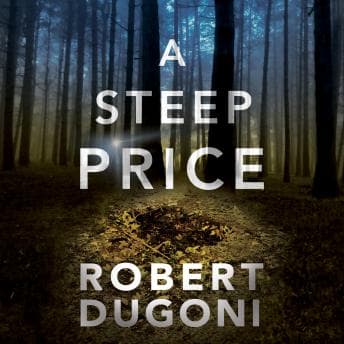
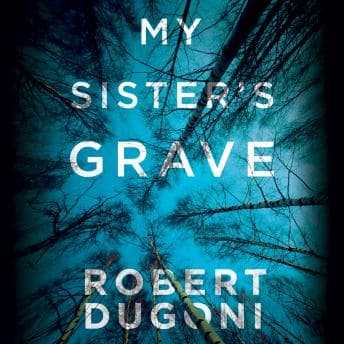
Robert Dugoni's My Sister's Grave hits different when you work in a field where you see the aftermath of violence regularly. Tracy Crosswhite isn't your typical detective protagonist who's "haunted by her past" in that vague, literary way. She's a woman who watched her sister's murder trial, knew in her gut the wrong man was convicted, and then spent twenty years becoming the kind of cop who could actually do something about it. That's not trauma as decoration. That's trauma as fuel.
The Slow Burn That Actually Pays Off
Here's the thing about cold case stories - they can drag. You're essentially asking readers to care about something that happened decades ago while also staying invested in present-day investigation. Dugoni threads this needle pretty well. The pacing isn't breakneck, but it's steady. I never found myself zoning out during my drive home, which - after a 12-hour shift - is saying something.
The legal and law enforcement details? Accurate. Finally. As someone who's testified in court cases and worked with detectives on assault investigations, I can tell you most thriller writers get this stuff embarrassingly wrong. Dugoni clearly did his homework. The procedural elements feel real without getting bogged down in jargon. When Tracy interviews witnesses or examines evidence, it reads like actual police work, not TV police work.
And the ending genuinely surprised me. I thought I had it figured out around the halfway mark (night shift brain loves to solve puzzles), but nope. The clues were there - I went back and checked - but Dugoni played fair without telegraphing the answer.
Emily Sutton-Smith Behind the Wheel
Okay, so the narration. Emily Sutton-Smith is solid. She's got that clear, no-nonsense delivery that works well for a detective story. Her Tracy voice carries this sense of urgency and determination that matches the character's relentless pursuit of answers. The distinct character voices are good - I never got confused about who was talking, which matters when you're listening while navigating Phoenix traffic at 7:30 AM.
But - and this is where I have to be honest - there were moments where I wanted more emotional variation. Some of the heavier scenes, the ones dealing with grief and family trauma, felt a little... flat? Not bad, just not as gut-punching as the material deserved. When Tracy confronts certain truths about her sister's death, I wanted the narration to hit harder. It's like watching a nurse deliver bad news with perfect professionalism but no warmth. Technically correct, but missing something.
For a nearly 11-hour listen though, Sutton-Smith keeps the momentum going. She's a great storyteller even if she's not always a great emoter. And honestly? For this genre, I'll take consistent pacing over dramatic performance any day.
Who Should Queue This Up (And Who Shouldn't)
This is perfect for commuters and long-drive listeners. The chapters are well-paced for highway listening, and the plot moves steadily enough that you won't lose track if you have to pause for a phone call or, you know, actually focus on driving. If you're a sucker for procedural accuracy (like me), you'll appreciate the realistic legal and investigation details. Carlos - my husband, who's a public defender - actually asked me what I was listening to because I kept nodding along during dinner.
Skip this if you need fast-paced action from page one or can't stand series commitments - this is book one, and you'll want more. If slow-burn investigations make you impatient, look elsewhere.
Clocking Out
I listened to most of this during my post-shift decompression drives, and it did exactly what I needed - kept my brain engaged without demanding too much emotional energy from someone who'd just spent 12 hours keeping people alive. The mystery is compelling, the protagonist is likable without being perfect, and the resolution is satisfying. I had a similar experience with Murder in an Irish Village - solid mystery, satisfying resolution, nothing groundbreaking but exactly what I needed.
Is it going to change your life? No. But it's a damn good thriller that respects its genre and its readers. Dugoni writes like someone who understands that people reading crime fiction want to be entertained AND intellectually engaged. The medical and forensic details are accurate (I only yelled at my dashboard once, and it was a minor quibble about blood evidence handling).
Carlos asked why I looked so tired but also weirdly satisfied after my drive home. I blamed the audiobook. He didn't believe me about the allergies excuse this time.