
The "I Should Be Coding" Cold Open
It's 2:00 AM. My procedural dungeon generation algorithm is currently outputting rooms that don't connect to anything—basically digital closets—and my advisor, Dr. Patel, is expecting a demo on Tuesday. Naturally, I decided the best way to handle this stress was to listen to a book about a bunch of teenagers trapped in a giant, deadly, procedural maze.
(Logic is not my strong suit after midnight.)
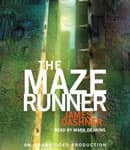
I picked up The Maze Runner because I needed something high-stakes to drown out the sound of my own academic imposter syndrome. And honestly? It worked a little too well. I sat there in the dark, watching my compiler spin, while Mark Deakins whispered about Grievers in my ear.
The Glade: A Dungeon Master's Nightmare
Here's the thing about the Glade: it's basically the most stressful D&D campaign ever run. You've got a party of amnesiacs, a limited resource economy, and a DM who is actively trying to kill them with biomechanical spider-monsters.
Dashner's world-building here is solid. It feels like a closed-system experiment—which, let's be real, it is. The slang took me a second, though. Words like "klunk" and "shank" and "shuck-face." Reading these on paper might feel a little cringe—like an adult trying too hard to sound like a cool teen—but in audio? It actually works.
It adds to the isolation. These kids have been stuck long enough to evolve their own dialect. It's immersive. (Though if I start calling my thesis committee "shanks," I'm definitely getting kicked out of the program.)
The Voice in the Box
Let's talk about Mark Deakins. I couldn't find a ton of background on his process, but the guy understands tension.
He doesn't go for the over-the-top, cartoonish voices that ruin some YA audiobooks. You know the type—where every villain sounds like Skeletor. Deakins plays it subdued. He grounds the anxiety. When Thomas is freaking out (which is often, and justifiable), Deakins keeps the narration tight and clipped. It feels claustrophobic.
He differentiates the characters well enough that you know who's talking—Newt sounds distinct from Alby, and Chuck (poor Chuck) has that younger, innocent vibe that just makes you want to protect him at all costs. Deakins brings that same grounded intensity to Rogue Lawyer, though the courtroom setting couldn't be more different from the Glade.
Is it Steven Pacey levels of character acting? No. But for this kind of mystery-box thriller, you don't want the narrator chewing the scenery. You want them to get out of the way and let the Maze scare the pants off you. Deakins nails that balance.
Why It Worked For Me (And My Thesis Avoidance)
The pacing is relentless. It's a puzzle box story. Every time Thomas thinks he figures something out, the rules change. The walls move. The sun disappears.
As someone currently struggling to code a maze that makes sense, I have a newfound respect for the complexity of the Maze itself. It's terrifying. The descriptions of the Grievers—slug-like, mechanical, clicking, whirring—are pure nightmare fuel. Deakins' delivery during the action sequences, especially when they get stuck in the Maze overnight (spoiler: bad idea), had me pausing my game just to listen.
I actually stopped coding for a solid two hours just to finish the last chunk. The ending? Total cliffhanger. Obviously. It sets up the sequel hard.
The Verdict
Look, if you're into Lord of the Flies but wish it had more sci-fi horror elements and less conch-shell politics, this is your jam. It's fast, it's stressful, and the mystery payoff is satisfying enough to make you buy the next book immediately.
(I already downloaded The Scorch Trials. Sorry, Mom. Graduation is just a social construct anyway.) Honestly, The Scorch Trials is already queued up and mocking my unfinished code from the downloads folder.
Who should listen: Fans of fast-paced YA sci-fi, mystery-box thrillers, and anyone who wants their dystopia with a side of biomechanical horror. Who should skip: If you don't like made-up slang or teenagers making rash decisions because they have literal brain damage from memory wipes, this probably isn't for you. But for me? It was the perfect escape from my own personal maze of academic deadlines.