
Look, I’m currently staring at a stack of thirty-five essays on The Great Gatsby, and if I read one more sentence about the green light representing "money," I might actually cry. So, naturally, I took a break.
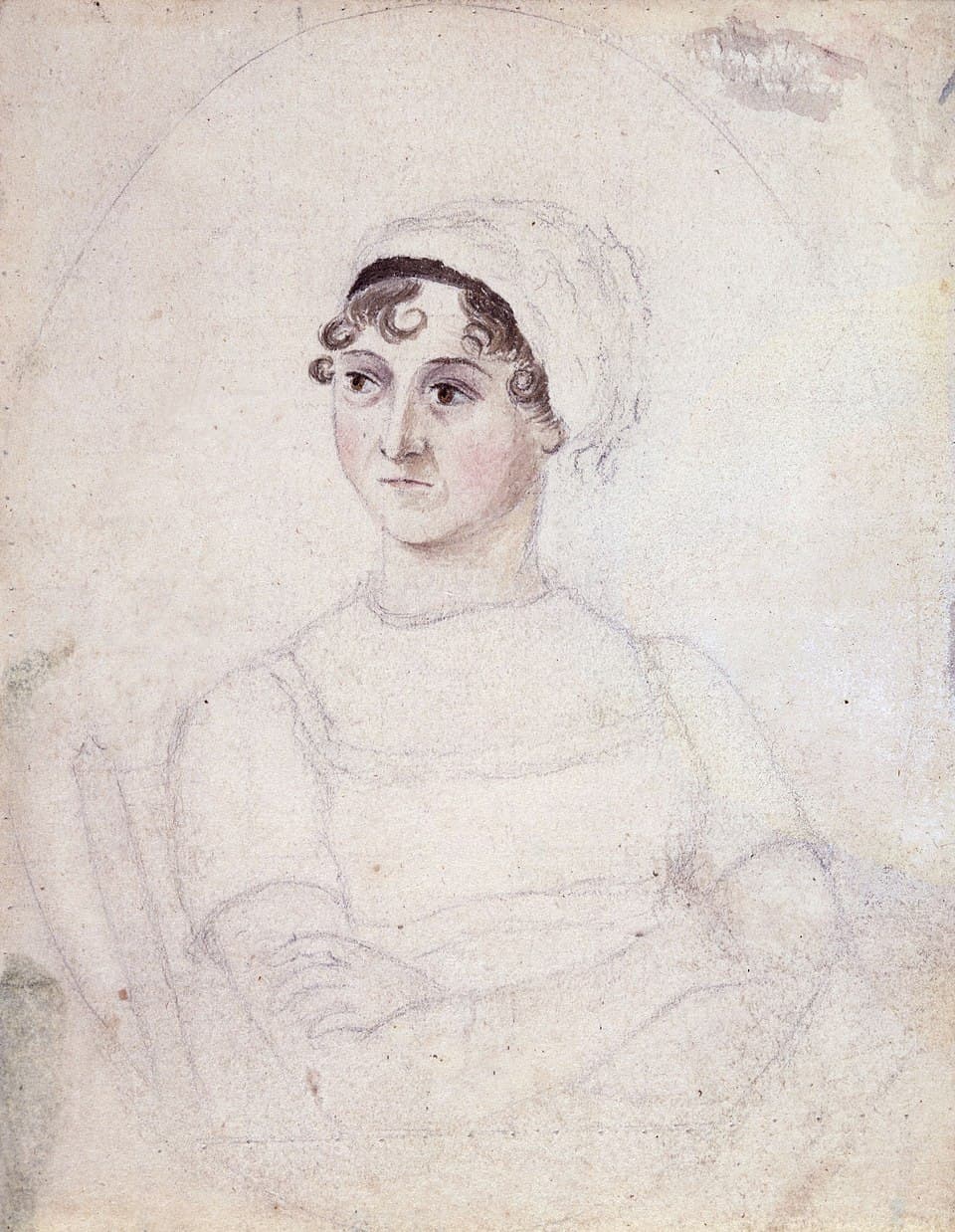
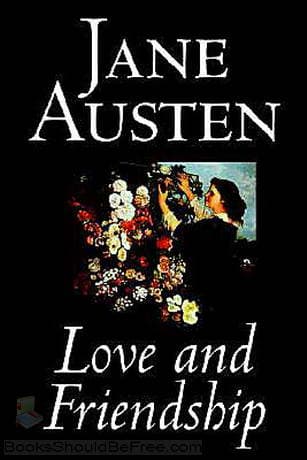
I needed something short. Something that wasn't trying to be the Great American Novel. I landed on Jane Austen’s Love and Friendship (or Freindship, as she spelled it at fourteen—which, honestly, makes me feel better about my students' spelling).
Here’s the thing: we treat Austen like this polite, tea-sipping saint of English literature. We forget she was savage. Especially at fourteen. This audiobook is barely over an hour, and it’s basically teenage Jane mocking the absolute life out of the romantic novels of her day.
Teenage Jane Was a Menace
If you go into this expecting Pride and Prejudice, you’re going to be confused. (And disappointed). Though honestly, if you want fully-formed Austen, Pride and Prejudice is right there—and it's excellent. This is satire with the safety catch off.
The plot—if you can call it that—is a series of letters detailing the lives of people who are addicted to drama. They don't just feel sad; they faint. Repeatedly. They run mad. They steal money. It’s the 1790 equivalent of a reality TV show where everyone is crying in a limo.
Listening to this, you realize that Marianne Dashwood from Sense and Sensibility didn’t just appear out of nowhere. (Speaking of which, Sense and Sensibility hits differently once you've heard teenage Jane mock these exact character types.). Austen was practicing her eye-rolls years in advance. The way the characters rationalize their terrible behavior ("It would be unfeeling to pay one's debts") is hilarious. It’s messy, it’s loud, and it’s clearly written by a brilliant kid who thinks adults are idiots.
The Voice in the Void
Okay, let’s talk about the narration. The version I grabbed didn't even list the narrator's name—which is usually a red flag.
I’ve heard some grumbling that the performance is "whiny." And look—they aren't wrong. There is a definite whine to the delivery. But here’s my hot take: The characters are supposed to be unbearable. Laura and Sophia are self-absorbed, melodramatic teenagers. If the narrator read this with the dignified calm of a BBC news anchor, the joke wouldn't land.
That said, does the high-pitched dramatics grate on the nerves after forty minutes? Yeah, a little. It’s a performance choice that fits the text but might test your patience. It’s like listening to a friend reenact an argument she had with her boyfriend—funny for five minutes, exhausting for an hour.
Why You Should Bother
My mom (hi Mom, thanks for downloading the pod) would probably hate this. She likes the romance. This is the anti-romance.
But for the rest of us? It’s a fascinating snapshot. It’s watching a master musician tuning their instrument before the concert starts. You hear the wit, the sentence structure, the biting social commentary—it’s just raw and unpolished.
It’s worth an hour of your life just to hear Austen make fun of people who think "sensibility" is a personality trait. Plus, it’s short enough that I can finish it and get back to these Gatsby essays before my coffee gets cold. (I won't, though. I'll probably listen to Lady Susan next. Don't tell Principal Martinez.)