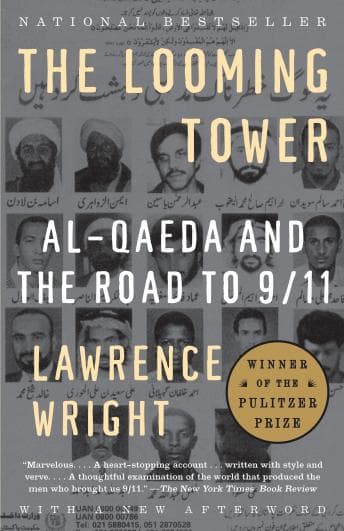

I was in the middle of a long drive back from a client site in San Antonio when I hit the section on John O'Neill. Two-lane highway, nobody around, and I had to turn the volume down just to think for a second. That's a rare thing.
Let me cut to the chase: this is the most important book I've ever listened to about the war I fought in. Not because it's dramatic - though it is - but because it explains how we got there. And some of what it explains made me genuinely angry.
The Intelligence Failure That Still Keeps Me Up
I've seen this scenario play out in real life - not at the scale Wright documents, but the same disease. Turf. Agency ego. Bureaucratic territorialism dressed up as 'process.' The CIA withholding information from the FBI about two of the eventual 9/11 hijackers - men who were already inside the United States - isn't just a policy failure. It's the kind of thing that gets people killed. Wright doesn't editorialize much. He doesn't need to. He just lays out the timeline, and by the time you understand what was known and when, you're doing the math yourself. It's worse than most people realize.
The author clearly did his homework. Five years of research across a dozen countries shows. The section tracing Sayyid Qutb's radicalization - his time in Greeley, Colorado of all places, in the late 1940s, where he was horrified by a church dance and American materialism - is one of the most clarifying twenty minutes I've spent with headphones in. You want to understand where the ideology came from? It didn't start in a cave. It started with a bookish Egyptian intellectual who felt personally affronted by Western culture and turned that affront into a theology of violence. Wright connects that thread all the way to Zawahiri, then to bin Laden. The intellectual lineage is documented, not asserted. That same discipline — building a case from primary sources until the conclusion is inescapable — is what made Devil in the White City stick with me long after I finished it, though the subject matter couldn't be more different.
And O'Neill. God, O'Neill. The FBI's counterterrorism chief who spent years screaming into the void about al-Qaeda, who was politically undermined, who retired from the FBI and took a security job at - of all places - the World Trade Center, and died there on September 11th. That's not a narrative device. That's what actually happened. I've read after-action reports that were less brutal than that man's story.
The Narrator Problem - And Why It's Complicated
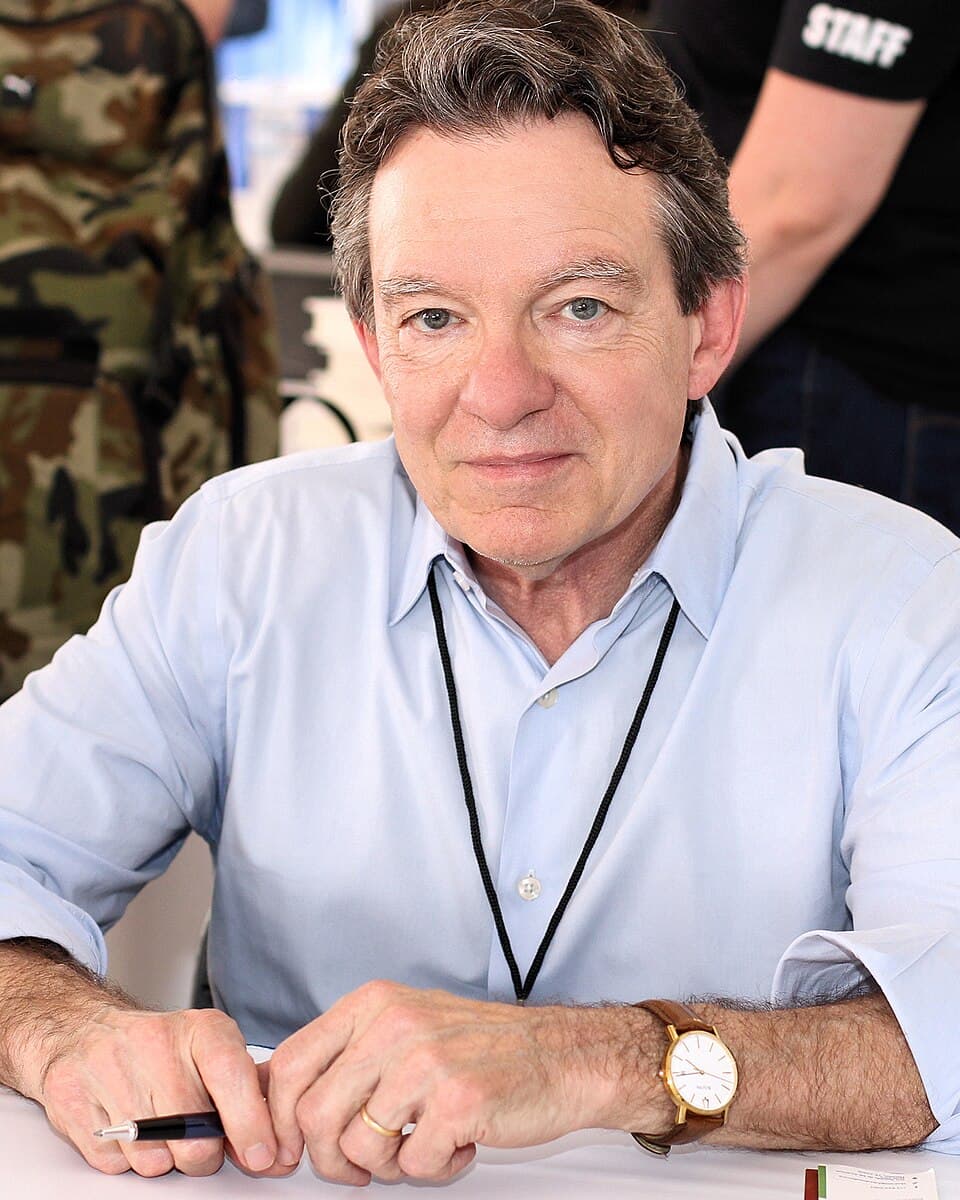
Here's where I'll be straight with you. Wright narrates his own book, and the response is split. Some people found it dry. I get that. He's not a voice actor. There's no character differentiation when he's quoting bin Laden versus quoting O'Neill - it's all Wright's measured, slightly professorial cadence. If you're used to a full-cast production or a seasoned audiobook narrator, the first hour might feel flat.
But here's what I noticed about 90 minutes in: I stopped caring. Because the material is so dense and specific that theatrical performance would've actually gotten in the way. This is a journalist reading his own reporting. And there's something about that - the lack of performance - that makes it feel like a briefing rather than a show. I've sat through enough actual intelligence briefings to tell you that clarity beats drama every time. Wright is clear. He's precise. He doesn't rush the complicated parts.
I ran it at 1.25x and it held up fine. Any faster and you'd start losing the connective tissue between the characters and factions. There are a lot of names, a lot of organizations, a lot of dates. This is not background listening. This is eyes-on-the-road, full-attention listening.
Debrief: Who Needs This and Who Doesn't
If you deployed to Iraq or Afghanistan after 2001 - or you supported anyone who did - you owe it to yourself to understand what you were actually part of. Not the political argument about whether we should've gone. The actual history of what built the threat. Wright gives you that.
If you're a civilian who wants to understand the Middle East policy of the last twenty years without reading three separate academic texts, this is the most efficient 16 hours you can spend.
If you need high-octane narration to stay engaged, or you're going to be annoyed by a single-voice delivery through a complex cast of characters, the Alan Sklar version exists and reportedly handles the character differentiation better.
Ranger was asleep by hour three. But he's also heard every Tom Clancy novel I own, so his bar for geopolitical complexity is high. I finished this one in four drives and sat in my driveway for ten minutes after the last chapter. Mission accomplished - and I mean that as the highest possible compliment. Wright set out to explain how 9/11 happened. He did it.





![Steve Jobs [unabridged audiobook] audiobook cover](/_next/image?url=https%3A%2F%2Fcovers.audiobooks.com%2Fimages%2Fcovers%2Ffull%2F9788499923406.jpg&w=1920&q=75)