
What happens when a business-hardened consultant who measures everything in ROI sits down with a poet who measures everything in humanity?
I'll tell you what happens. You shut up and listen.
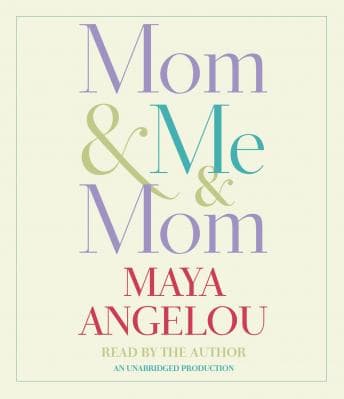
I was up past midnight, couldn't sleep, Jenny already out cold beside me. I'd been grinding through a client's pitch deck all evening and needed something to reset my brain. Grabbed my earbuds, opened Audible, and there it was - two hours and thirty-two minutes. My first thought, honestly? Finally, a book that respects your time. My second thought, about forty minutes in, was that I needed to stop thinking about time entirely.
The Woman Who Made 2.5 Hours Feel Like a Full MBA
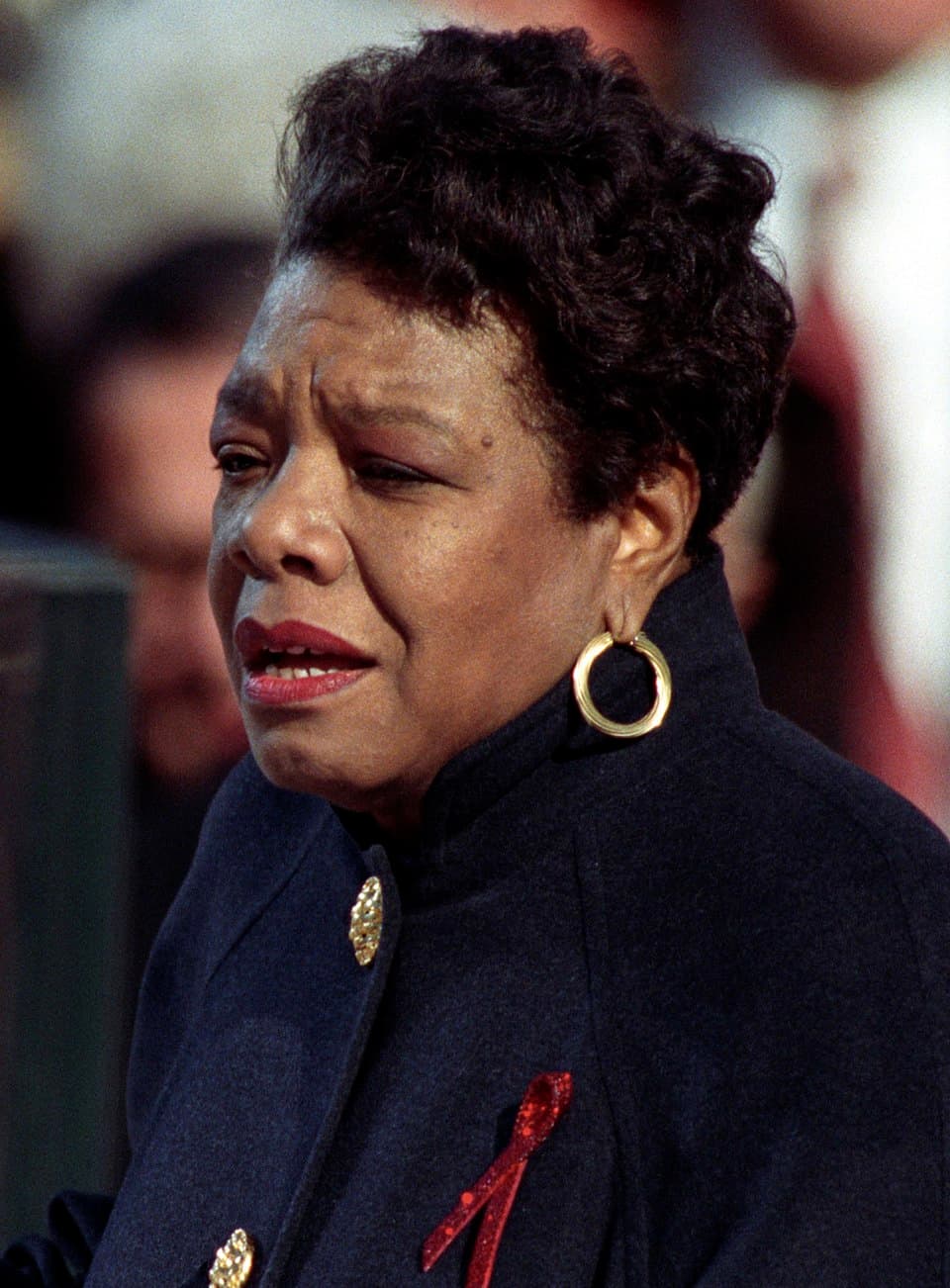
Here's the thing nobody tells you about Maya Angelou narrating her own work: she doesn't perform it. She serves it to you. Like my mom serving banchan - deliberate, unhurried, every dish placed with purpose. There's this moment where Angelou talks about being brought up by her grandmother in segregated Arkansas, about the dignity Momma Henderson carried into a world designed to strip it away, and her voice drops half a register. Not for drama. Because the memory weighs that much.
I've listened to hundreds of business books where CEOs narrate their own stories. They always sound like they're reading a teleprompter at a shareholder meeting. Angelou sounds like she's sitting across from you at a kitchen table, and she's decided you're worth the real story.
The book isn't linear. It's a collection of short essays - some memoir, some advice, some poetry. She writes about her friend Coretta Scott King with a specificity that destroyed me. Not the public Coretta. The private one. She writes about a meal of red rice with the kind of reverence most founders reserve for their Series A. And there's this essay about a trip to France where she confronts an old woman's casual racism with such precise, controlled fury that I actually sat up in bed.
Is it disjointed? Sure. Some chapters connect to each other like puzzle pieces and others feel like they wandered in from a different book. There's a chapter on becoming a Christian that, as someone who grew up in a Korean Presbyterian church where theology was basically mandatory, I found genuinely interesting - but I can see how it might not land for everyone. The American-centricity that some listeners complain about? Fair. But I grew up watching my parents navigate America as immigrants, and Angelou's version of that negotiation - Black woman in 20th century America - hit different than I expected. That same collision between inherited identity and an indifferent country runs through White Tiger too - different continent, different century, same negotiation playing out in someone else's bones.
What My Parents Knew That Business School Forgot
Here's where I have to be honest with myself. I came to this book wrong. I was treating it like content to be consumed. Two hours, 2.0x speed, extract the insights, move on.
I slowed it to 1.0x by the third essay. First time I've done that in maybe two years.
Because Angelou's pacing IS the content. The way she pauses before delivering a line about vulgarity versus profanity - she draws this sharp distinction between words that shock and words that demean, and the silence before her point lands is where the actual lesson lives. Speed that up and you lose it.
My parents ran their dry cleaning business on instinct. Fourteen-hour days, treating every customer with respect regardless of how they were treated back, raising kids who were expected to be better than the world assumed they'd be. Angelou writes about her grandmother doing basically the same thing in Stamps, Arkansas, decades earlier, under conditions exponentially worse. This is what my parents did instinctively. Now it has a TED talk. Except Angelou said it better than any TED talk ever could, and she said it first.
The key takeaway is worth the listen. The other 7 hours? There are no other 7 hours. She said what she needed to say in 2.5 hours and stopped. That alone puts her ahead of 90% of the authors in my library.
Who Gets the Most Out of This
If you're looking for a structured narrative with clear throughlines and actionable frameworks - wrong book. Skip it. If you want a plot, this isn't it. But if you're a founder burning out, a parent wondering if the sacrifice is worth it, or just someone who's been running on caffeine and KPIs and forgot that wisdom exists outside of quarterly reports - put this on at night, at 1.0x, and let an 80-year-old poet remind you what actually matters.
Jenny would say I'm being harsh calling this a business book review. Jenny is right. It's not a business book. It's a life book. And sometimes that's what you actually need on your balance sheet.
The Line Item That Doesn't Fit a Spreadsheet
I finished it at 2 AM. Couldn't sleep after, but for different reasons than before. Went downstairs, made tea, thought about my mom. Called her the next morning, which I don't do enough.
Bottom line: Two and a half hours. Author-narrated. No filler. The ROI on this one isn't measurable, and that's precisely the point.