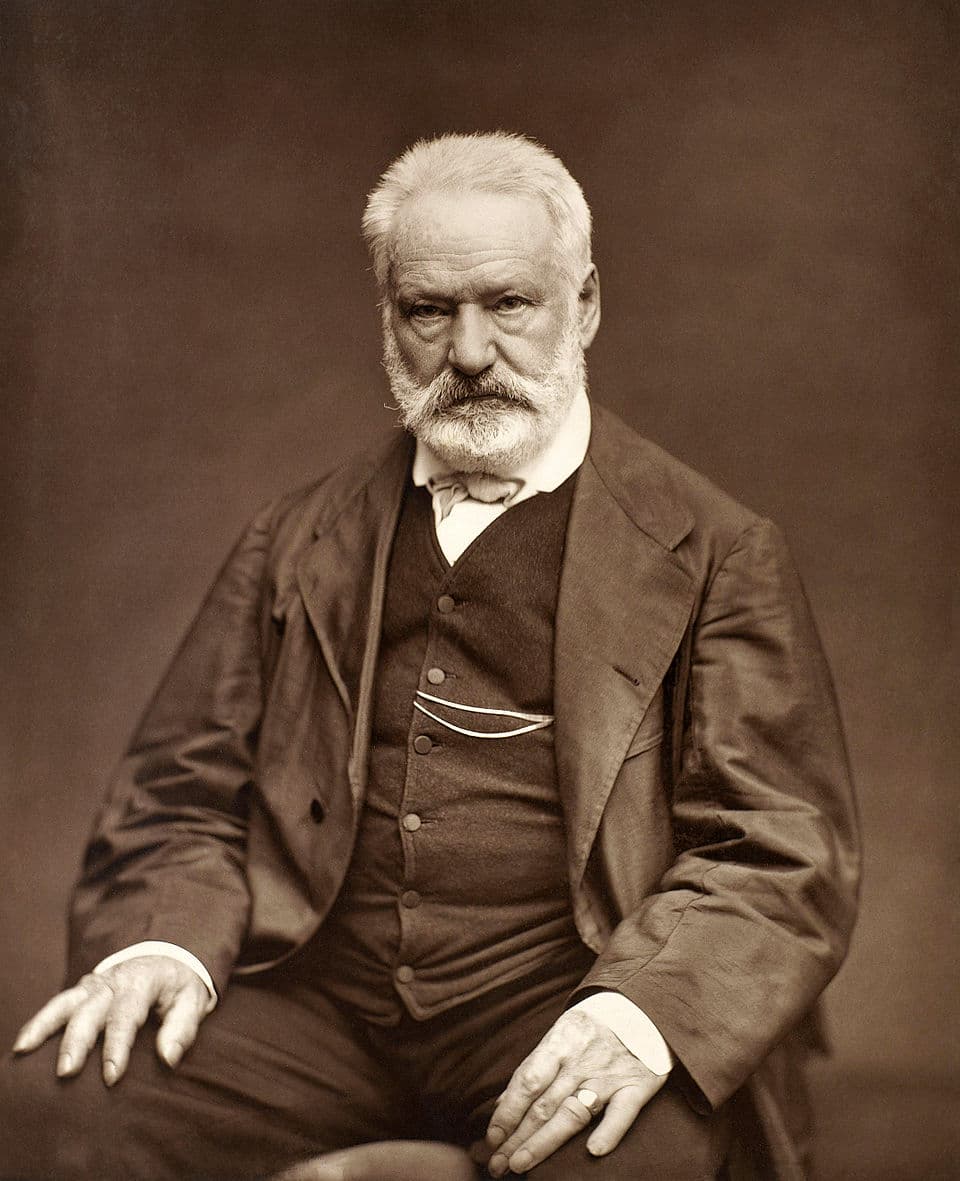

Victor Hugo wrote a novel that's basically an entire hospital admission - you think you know what's wrong, then there's a complication, then another complication, then a 40-page digression about the Paris sewer system. Volume 4 is where the fever breaks and everything gets real.
This is the barricades volume. The June Rebellion. And let me tell you, listening to this during my 3 AM drive home after a night where we had two GSWs and a stabbing come through - the descriptions of young men bleeding out behind makeshift walls hit different when you've just spent eight hours keeping someone alive who caught a bullet on the I-10. Hugo gets the chaos right. The way everything moves too fast and too slow at the same time. As someone who's actually worked a code, that sensation of time distorting during a crisis? Hugo nailed it in 1862 without ever setting foot in a trauma bay.
When the Barricade Becomes the Whole World
Volume 4 is essentially Hugo zooming in on a handful of days after spending three previous volumes building an entire universe. Marius is at the barricade. Valjean shows up because of course he does - the man cannot stop throwing himself into harm's way for people who don't even know he exists. Éponine's arc in this volume gutted me. I'm not going to pretend I didn't get emotional in my car at 7:45 AM, parked in my own driveway, engine still running. Carlos asked why I was crying in the car. I blamed allergies. It was not allergies.
The thing about Hugo is he'll give you twenty pages of pure adrenaline at the barricade and then just... stop. To talk about the nature of revolution. Or the history of a particular street corner. Or argot - Parisian slang - for what felt like an entire shift's worth of listening. Some people hate this. I get it. But honestly? After 15 years of night shift, I've developed a tolerance for long stretches of waiting interrupted by bursts of intensity. That's basically what this volume is. That's basically what my job is.
The LibriVox Question (Because Someone Has to Say It)
Here's the thing about LibriVox volunteer narrations - and I say this with genuine respect for people donating their time to make classic literature free and accessible. The quality varies. Chapter to chapter, you might get a reader with a warm, steady voice who makes Hugo's prose feel like a conversation, and then the next chapter it's someone reading in what sounds like their closet with a USB microphone they got for Christmas. The transitions can be jarring. You're deep in the emotional weight of a scene and suddenly it's a completely different voice, different energy, different recording quality.
It's free. That matters. These free audiobooks are genuinely precious - not everyone can drop a credit on every volume of a five-part classic. But I'd be lying if I said the multi-reader format doesn't pull you out of the story sometimes. There's no consistent voice for Valjean across chapters, no single narrator building a relationship with you over fifteen-plus hours. You're essentially getting a potluck dinner - some dishes are incredible, some are just okay, and the presentation is all over the place. But you're fed.
At 15 hours and 38 minutes, this is a commitment. I listened over about two weeks of post-shift drives plus a couple of weekend sessions while making breakfast for my kids (they're used to me being weirdly quiet while flipping pancakes). I'd recommend 1.25x speed for some of the longer philosophical digressions - Hugo had a lot of thoughts about a lot of things and sometimes you need to move through them to get back to the story.
Who This Is Actually For
If you're already four volumes deep into Les Mis, you're not stopping now. You're invested. But if you're thinking about starting here - don't. This volume assumes you've lived with these characters, that you already care about Marius and Cosette, that Valjean's history is already sitting heavy on your chest. Without that foundation, the barricade scenes are just noise.
If you want a polished, professional narration? Save up for a produced version. If you want free access to one of the most important novels ever written and you can roll with inconsistent audio quality? LibriVox is doing God's work.
My mom would love this. She'd call it "too long" but she'd love it. She still thinks I should've been a doctor, but she also cried when I told her about Fantine back in Volume 1, so. The apple doesn't fall far.
Night Shift Prescription
Volume 4 is where Hugo stops building his world and starts burning it down. The barricade scenes are worth the philosophical detours that surround them. The LibriVox production is what it is - free, earnest, uneven. But Hugo's words survive any narrator. The man wrote sentences that hit like a bolus of epi to the chest, and no amount of variable audio quality can fully blunt that impact. Notes on an Execution gave me that same gutpunch quality - different century, different stakes, but the same sensation of prose that physically lands. Night shift approved, with the caveat that you might need to sit in your driveway for a while after.