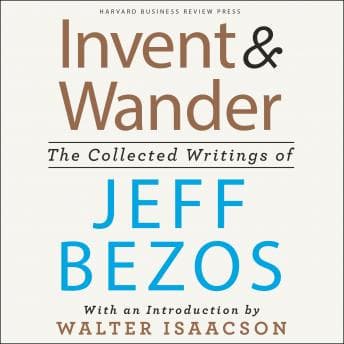

I was prepping for a client call at 6 AM, coffee brewing, when I realized I'd heard the same Central Park walk story three times. Not similar stories. The exact same story. Word for word. I actually stopped and checked if my Audible app was glitching.
It wasn't.
45 Minutes of Gold Buried in 9 Hours of Padding
Bottom line: There's genuine gold here. Bezos's shareholder letters are the real deal—the business equivalent of Warren Buffett's annual letters, except with more focus on customer obsession and long-term thinking. The problem? This audiobook treats them like filler content between repeated interviews and speeches that say the same things in slightly different rooms.
The key takeaway is worth the listen. The other 7 hours? Not so much.
Here's what my parents did instinctively that Bezos articulates: "Your margin is my opportunity." They ran a dry cleaning business with razor-thin margins and obsessive customer focus because they had no other choice. Bezos had the luxury of choosing that philosophy—and building a trillion-dollar company around it. The shareholder letters from the late 90s and early 2000s are genuinely prescient. He's explaining why Amazon's willing to lose money for years while everyone on Wall Street thinks he's insane.
But then you get the same anecdotes recycled through different speeches and interviews. The regret minimization framework—which is legitimately useful—gets explained four or five times. I've seen this approach fail at three different publishing houses, and somehow Harvard Business Review Press thought it would work here. Get Sh*t Done makes the opposite mistake—it's so lean it borders on skeletal, but at least it doesn't waste your time.
L.J. Ganser: Competent but Trapped
Ganser's a triple Audie winner, and you can hear the professionalism. His delivery is clean, his pacing solid, his voice has that authoritative-but-accessible quality that works for business audiobooks. The problem isn't him—it's that no narrator can make repetitive content feel fresh.
When you're hearing the same sentences for the third time, even the best narrator sounds like a broken record. And Ganser doesn't bring any particular energy to differentiate between the shareholder letters (Bezos's actual writing) and the interview transcripts (Bezos talking). It all blends into one long monologue. Jenny would say I'm being harsh. Jenny is right. But she'd also agree this needed an editor with a machete.
What Actually Lands
Skip to the shareholder letters. Thank me later.
The 1997 letter alone is worth the price of admission—it's Bezos laying out the entire Amazon playbook before anyone believed it could work. "We will continue to make investment decisions in light of long-term market leadership considerations rather than short-term profitability considerations." That's not corporate speak. That's a declaration of war on quarterly earnings culture. Capital takes the opposite philosophical stance on market dynamics, but both books share an obsession with understanding the underlying mechanics of how value gets created and captured.
The sections on Blue Origin are interesting if you care about space exploration, though they feel grafted on from a different book entirely. Walter Isaacson's introduction is fine—it's Walter Isaacson doing Walter Isaacson things—but it doesn't add much you couldn't get from reading the letters yourself.
The core problem with "collected writings" as an audiobook format: writings weren't meant to be heard sequentially. These letters were released a year apart. These speeches were given to different audiences. Stack them back-to-back and the repetition becomes unbearable.
Who Gets Value Here (And Who Should Run)
If you've never read Bezos's shareholder letters, this is a decent way to absorb them—especially if you learn better by listening than reading. The business philosophy is solid, the thinking is clear, and there are genuine insights about building customer-centric organizations.
But if you've read any of the major Bezos profiles, watched his interviews, or followed Amazon's story? You've already heard 80% of this. The book doesn't offer new material so much as it reorganizes existing material into a less efficient format. Skip this one.
My 2.0x speed couldn't save it. Even at double speed, you're still hearing the same anecdotes multiple times. The audiobook format actively works against the content because you can't easily skip ahead when you recognize a story you've already heard.
Save Your Credit
I've recommended Bezos's shareholder letters to probably fifty clients over the years. They're genuinely useful documents for anyone thinking about long-term business strategy. But I've never recommended this audiobook, and I won't start now.
The content is a 4.5. The execution is a 2.5. Average those out and you get an audiobook that's frustrating precisely because you can see what it could have been. Someone at HBR Press should have said "let's cut this to four hours and make it the definitive Bezos business philosophy audiobook." Instead they padded it to nearly nine hours and created something that would make Bezos himself cringe.
Read the shareholder letters online—they're free on Amazon's investor relations page. Save your credit for something that respects your time.