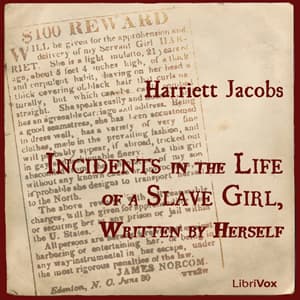

I am currently sitting on my floor, clutching Diego (my cat, who is very confused but accepting his fate as an emotional support animal right now), and I am an absolute wreck. I knew this was going to be heavy. You don't pick up a slave narrative expecting a light romp. But Incidents in the Life of a Slave Girl? It just... it tore me open.
I was listening to this while trying to vectorize a logo for a client—some upbeat coffee shop branding—and I literally had to stop working. I just sat there, staring at the screen, letting Harriet Jacobs' words wash over me. Because how do you focus on font kerning when a woman is describing hiding in a crawlspace for seven years to save her children? Seven. Years. My apartment is small, but that attic... I felt claustrophobic just listening to it.
Elizabeth Klett Walks a Razor's Edge
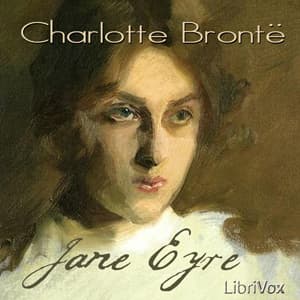
If you've been around the free audiobook block (shoutout to LibriVox), you probably know her name. She's also the voice behind my beloved Jane Eyre, and honestly, that's what made me trust her with this one. But if you don't—she's a gem.
Here's the thing: narrating a memoir this painful requires a specific kind of empathy. Go too theatrical, it feels disrespectful. Too flat, you lose the humanity. Klett walks this line beautifully. She sounds indignant. There were moments where her voice trembled with this righteous anger that made me want to throw my stylus across the room. She captures that specific ache of a mother who has no good choices, only less terrible ones.
(I did see some reviews mentioning her accent is a little "strange" or hard to place. Honestly? I didn't care. Maybe it's not historically perfect, I don't know. But the emotion was real, and that's what I'm here for.)
The LibriVox Trade-Off
I have to be real about the production for a second. This is a volunteer recording. The audio quality is actually super clean—no weird background hiss or anything.
BUT.
Because it's LibriVox, every single chapter starts with: "This recording is in the public domain."
Imagine this: You are deep in the narrative. Harriet is describing a moment of sheer terror, your heart is racing, you are fully immersed in 19th-century North Carolina... and then—BAM. "Chapter 12. This recording is in the public domain."
It is a vibe killer. Truly. It yanks you right out of the emotional headspace. I know, I know, it's free. I shouldn't complain. But when you're binge-listening (which you will do, because the pacing is surprisingly fast), hearing that disclaimer 40+ times is... a lot. I eventually learned to tune it out, but fair warning if you're easily annoyed. If you want something in the same vein without the production quirks, Thirty Years A Slave hit me almost as hard.
Why This One Stays With You
My Abuela used to tell me stories about the women in our family—the stuff they endured so we could be here. Listening to Jacobs (writing as Linda Brent), I felt that same ancestral weight. This isn't just a history book. It's proof of how much a human spirit can bend without breaking.
The way Jacobs talks about the specific horror of being a woman in slavery—the sexual harassment, the jealousy of the mistress, the constant threat to her kids—it's devastating. But Klett delivers it with such dignity. It's not trauma porn; it's a reclamation of self.
So, yeah. I ugly-cried. Multiple times. (Added it to the spreadsheet. It's going in the top 5 for the year.)
Listen if: you want unflinching history told with emotional power and can handle the weight. Skip if: you need lighter fare right now or the repetitive LibriVox chapter intros will drive you up a wall. Just maybe don't try to work while you listen. This one demands your full attention.






![Steve Jobs [unabridged audiobook] audiobook cover](/_next/image?url=https%3A%2F%2Fcovers.audiobooks.com%2Fimages%2Fcovers%2Ffull%2F9788499923406.jpg&w=1920&q=75)