
Why does buying a tub of yogurt require a degree in biochemistry these days? Seriously. I walked into Whole Foods last week looking for a quick lunch and ended up staring at an ingredient list that looked like the source code for a failed crypto startup.
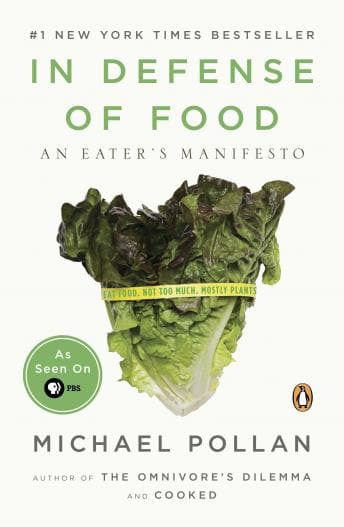
This is the problem Michael Pollan tackles in In Defense of Food. As someone who usually consumes business biographies and books on scaling SaaS companies, I was skeptical. Most diet books are just marketing funnels for supplements. But Pollan isn't selling a diet. He's selling a return to common sense. Which, in the current market, is a scarce asset.
The 7-Word Executive Summary
Pollan's entire thesis fits on a Post-it note: "Eat food. Not too much. Mostly plants."
That's it. That's the strategy. If I delivered a slide deck that simple to a client, they'd fire me for lack of billable hours. But here's the thing—he spends six and a half hours justifying those seven words, and unlike most meetings I sit through, the justification is actually necessary.
He breaks down the "Western Diet" and the rise of "nutritionism"—basically, the idea that food is just a delivery system for nutrients. It's exactly like when companies obsess over KPIs so much they forget to actually build a good product. We're eating "food-like substances" engineered to hit bliss points, not to nourish us. My parents ran a dry cleaning business for thirty years; they ate rice, kimchi, and fish because that's what was cheap and available. They didn't count antioxidants. They just ate. Pollan is basically arguing that my parents had better R&D than General Mills.
Compared to the bio-hacking books I usually suffer through—where some tech bro tells you to drink butter coffee and monitor your glucose every 14 seconds—this is refreshingly low-tech. It's the "lean startup" approach to eating. Strip away the bloat, focus on the core product (actual food).
When Jack Reacher Goes Grocery Shopping
I checked the credits twice because I swear I've heard Scott Brick narrate a thriller where someone gets sniped from a helicopter. Hearing that same intense, gravelly voice describe the history of margarine is... an experience.
But it works. Surprisingly well.
Brick narrates with this tone of righteous indignation. He treats the food industry's manipulation of science like a corporate conspiracy thriller. Which, to be fair, it kind of is. When he reads the parts about how we've been duped into fearing fat or worshipping protein, he sounds like a prosecutor making closing arguments.
(It also helps that at 2.0x speed, his measured delivery turns into a very efficient, very angry lecture. I breezed through this during two gym sessions and a commute.)
If the narrator had been one of those soft-spoken, meditation-app voices, I would have zoned out. Brick keeps the stakes high. He makes you feel like eating a Twinkie is a personal failure of strategy.
The ROI on Your Lunch
This book respects your intelligence, even if it questions your grocery habits. It's not about counting calories (a waste of operational bandwidth); it's about changing your supply chain.
Jenny, my wife, loved that I listened to this. She thinks it means I'll stop drinking those sludge-colored meal replacement shakes between calls. I won't go that far—efficiency is still king—but I might actually buy a real apple next time.
Who's this for: If you're tired of conflicting health advice and just want the bottom-line verdict on what to put in your mouth, this is the only book you need. Skip it if you're looking for a structured meal plan or macro breakdowns—Pollan doesn't do spreadsheets. Same goes for self-help noise—Codependent No More cuts through the therapy-speak with similar clarity. The other 500 diet books in the Audible library? Sunk costs. Ignore them.