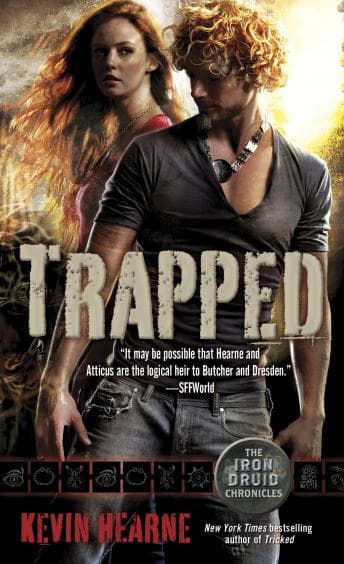

I was grading sophomore essays on The Great Gatsby at 11 PM - the usual parade of "Gatsby was rich and sad" insights - when I realized I'd been listening to Atticus O'Sullivan outrun Greek goddesses for the past three hours and hadn't marked a single paper. Denise found me at midnight, red pen still in hand, grinning like an idiot at my headphones.
This is not Faulkner. My students would actually read this. And honestly? That's not an insult.
When Your Protagonist Can't Stop Running (Literally)
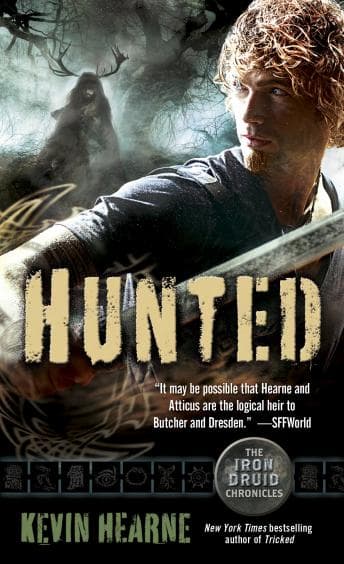
Hearne does something clever here that I appreciate as someone who's spent two decades teaching narrative structure: he strips away Atticus's usual bag of tricks. The guy's been alive for two thousand years, has magic coming out of his ears, and suddenly his main strategy is "run really fast across Europe." It's the literary equivalent of taking away a student's SparkNotes and watching them actually engage with the text.
The chase format works because it forces character moments into the margins. Atticus and Granuaile can't stop to have deep philosophical discussions - they're too busy dodging Artemis and Diana, who are apparently very motivated hunters. So the relationship development happens in gasps between near-death experiences. Efficient storytelling. Hemingway would approve of the economy, even if he'd hate the werewolves.
And then there's Loki. Because apparently two hunt goddesses weren't enough. The Norse trickster god shows up wanting to kickstart Ragnarok, and Atticus is the only loose thread standing between him and the apocalypse. The mythology blending here - Greek, Celtic, Norse - could feel like a mess, but Hearne treats each pantheon with enough respect that it actually works. Reminds me of what Gaiman does in American Gods, but with more Irish wolfhound jokes. The Ballad of Songbirds and Snakes pulls off a similar trick - taking familiar world-building and twisting it just enough to feel fresh without losing what made it work.
Luke Daniels Understands That Pause Is Punctuation
I listen at 1.0x because the author chose those words, and I choose to hear them properly. Luke Daniels makes that philosophy feel vindicated. His Oberon - Atticus's telepathic wolfhound - has this perfect blend of earnest enthusiasm and comic timing. When the dog interrupts a tense moment to ask about sausages, Daniels delivers it with exactly the right deadpan that makes you laugh without breaking the scene's tension.
The female voices are where lesser narrators stumble. Daniels doesn't. His Granuaile sounds distinct from the goddesses, who each carry their own weight. Artemis has an edge that Diana doesn't quite share - subtle differences that help you track who's currently trying to kill our protagonist. And his Ahriman cackle? Genuinely unsettling. I may have startled Denise when she walked past my office during that scene.
What I appreciate most is the emotional calibration. This is book six in a series, which means we've spent considerable time with these characters. Daniels knows when to play moments for laughs and when to let genuine concern creep into Atticus's voice. He understands this isn't just action-adventure - there's actual relationship development happening between the explosions.
The Prose Deserves To Be Savored (At Speed)
Here's my confession: I understand why some listeners recommend 1.5x speed for this one. The pacing is relentless by design. When your plot is literally a chase across Europe, you're not stopping for extended meditations on the nature of immortality. The prose serves the story's velocity.
But I'd argue that's exactly why you should slow down. The humor lands better when you give it room. Hearne's wit is snarky and quick - the kind of writing that rewards attention. Rush through it and you'll miss the smaller jokes, the callbacks to earlier books, the moments where Atticus's two-thousand-year perspective creates genuinely funny observations about modern Europe.
At just under ten hours, this is a committed listen but not an intimidating one. Perfect for a weekend of grading papers you're actively avoiding.
Who Should Chase This One Down
If you loved the Dresden Files but wished Harry had an Irish accent and a telepathic dog, this is your spiritual successor. Urban fantasy fans who appreciate mythology done with both reverence and humor will find a lot to love here. And if you're already invested in the Iron Druid Chronicles, this is the series hitting its stride - confident in its world, comfortable with its characters, willing to raise the stakes.
Skip it if you need your fantasy serious and your mythology untouched by modern sensibility. Also skip if you haven't read the earlier books - this is book six, and while Hearne provides enough context to follow the plot, you'll miss the emotional weight of certain moments.
Worth Pausing the Faculty Meeting For
Principal Martinez, I'm sorry. I was definitely not listening to your budget presentation last Tuesday. I was listening to a two-thousand-year-old Druid explain Celtic binding magic to a Norse trickster god while running through the Black Forest. It was more engaging. (Please don't fire me.)
This isn't literature that will appear on AP exams. But it's storytelling that understands its craft - well-paced, genuinely funny, and performed by a narrator who elevates already solid material. Sometimes that's exactly what you need at 11 PM with a stack of ungraded essays and a spouse who's learned not to ask why you're laughing at your headphones.