
Everyone kept telling me this was going to be a tearjerker. "Have tissues ready," they said. "You'll sob." So naturally I saved it for my sacred car-in-the-garage time, prepared for emotional devastation.
And then... I didn't cry? Not because it isn't devastating—it absolutely is—but because I was too angry to cry. That's a different kind of gut punch.
The Duplessis Orphans Were Real, And That's The Worst Part
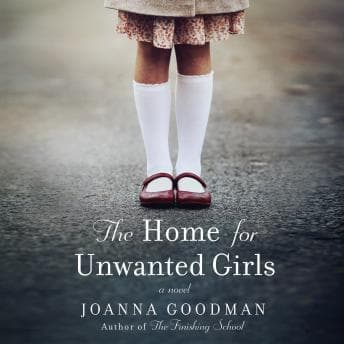
I'll be honest, I had no idea this was based on actual history. In 1950s Quebec, thousands of orphans were literally reclassified as mentally ill because the government paid more for psychiatric patients than orphans. These kids—healthy, normal children—were shipped to asylums and subjected to horrific treatment. Joanna Goodman takes this nightmare and builds a dual narrative around it: Maggie, the teenage mom forced to give up her baby, and Elodie, the daughter who ends up in this system.
Elodie's sections are brutal. Not in a gratuitous way, but in a "this actually happened to real children" way that made me grip my steering wheel until my knuckles went white. The nuns' cruelty, the complete erasure of these kids' identities, the way Elodie holds onto hope when she has absolutely no reason to—it's infuriating and heartbreaking simultaneously. That kind of resilience in the face of institutional cruelty shows up in I'm Still Standing too, though in a completely different context.
Maggie's story is a slower burn. She's navigating the rigid expectations of 1950s society, a loveless marriage, and the constant ache of the daughter she was forced to abandon. Her chapters frustrated me sometimes (just DO something, Maggie!), but that's probably the point. Women in her position didn't have options. They just had guilt.
Saskia Maarleveld Carries This Heavy Load
The narration here is genuinely excellent. Maarleveld handles the French-Canadian accents without making them cartoonish, and she differentiates between the English and French characters in a way that reinforces the cultural divide central to the story. Her Elodie sounds young and hopeful even when describing terrible things. Her Maggie carries this weight of suppressed longing that I felt in my chest.
I listened at my usual 1.25x and it worked perfectly—the pacing is already measured, so the slight speed-up kept things moving without losing emotional beats. Fair warning though: this is not a multitasking book. I tried to fold laundry during one of Elodie's asylum scenes and completely forgot what I was doing. Found myself standing in the laundry room holding the same sock for ten minutes.
Predictable Structure, Unpredictable Anger
Here's where I'll be honest: the structure is predictable. You know these two will eventually find each other. You know there will be obstacles. You know there will be a resolution. The book follows a pretty standard separated-family narrative arc, and some readers might find the pacing drags in the middle sections.
But—and this is a big but—the historical weight makes it matter more. This isn't just fiction. These orphans existed. Many never found their families. Some are still alive today, still seeking answers. That context transformed what could have been a standard tearjerker into something that stuck with me. It reminds me of what Bone Crossed does with its own darker themes—making you feel the stakes on a visceral level.
The romance elements (Maggie and Gabriel's star-crossed love) felt almost secondary to the mother-daughter story, which I appreciated. This isn't really a love story. It's a survival story and a reckoning with institutional evil.
The Ugly-Cry Didn't Come Until After
I finished this during Sophie's nap—high praise, truly—and immediately went down a rabbit hole reading about the actual Duplessis Orphans. That's when I cried. At my kitchen table, looking at photos of real survivors, while my toddler monitor showed Sophie peacefully sleeping.
My book club would have a field day with this one (if I ever have time for book club again). There's so much to discuss: institutional abuse, the Catholic Church's role, the way society treated unwed mothers, the lasting trauma of forced adoption. It's heavy, but it's the kind of heavy that matters.
Who This Is (And Isn't) For
If you want something that will make you feel things and think things and maybe get a little angry at historical injustice? This delivers. Perfect for historical fiction fans who can handle dark subject matter and readers who appreciate mother-daughter stories with real stakes. Skip it if you need lighter fare right now, or if institutional abuse of children is a hard no for you—completely understandable.
Just maybe don't listen right before school pickup. The other moms don't need to see you sitting in the parking lot looking like you've seen ghosts. Trust me on this one.