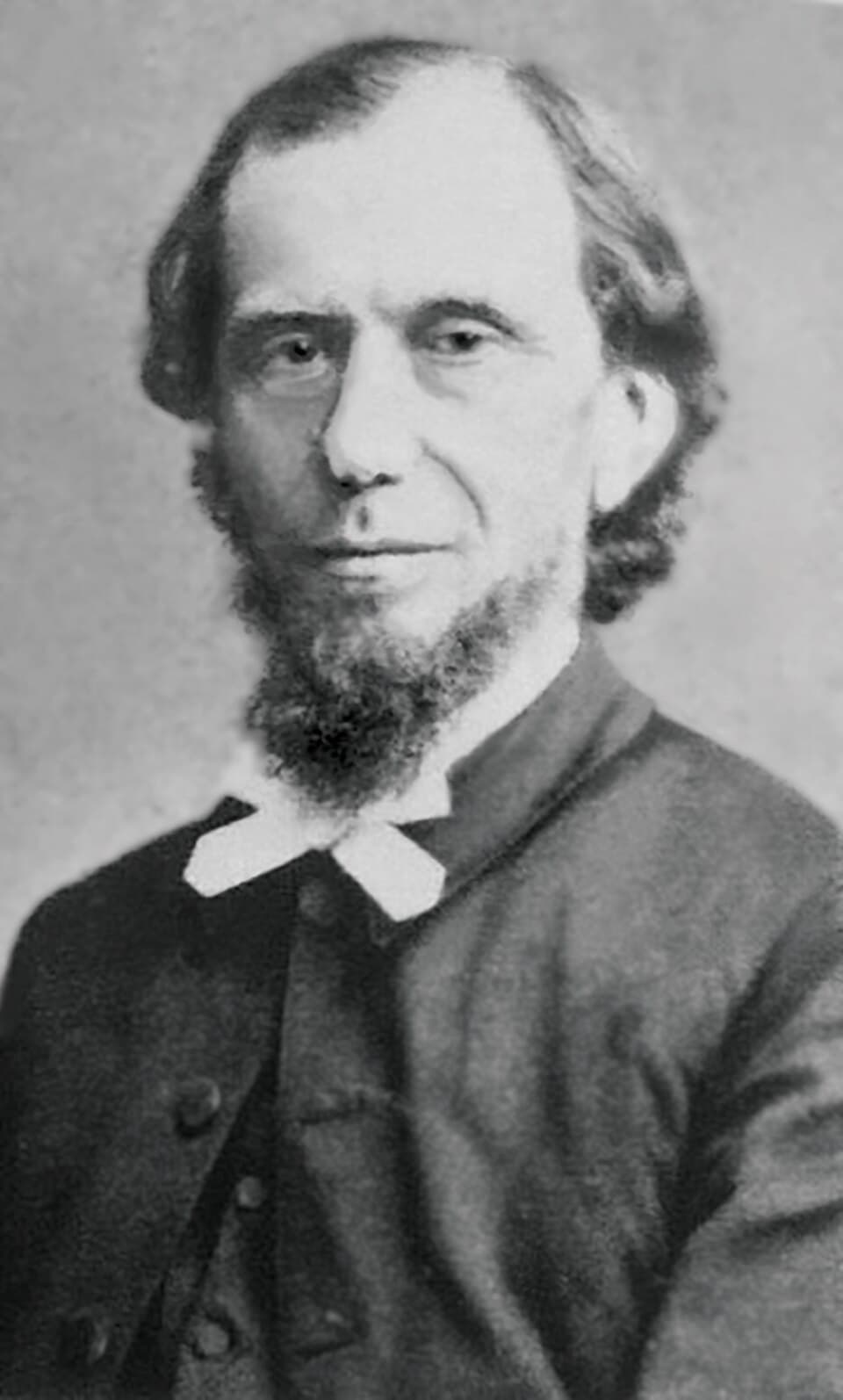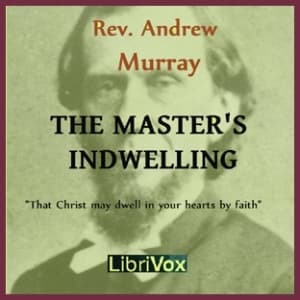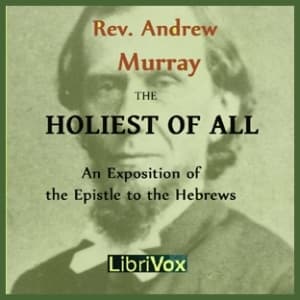

Andrew Murray wrote like a man who had been sitting in the presence of God for so long that he forgot anyone might be in a hurry.
I mean that as the highest compliment. Eighteen hours of devotional exposition on the Epistle to the Hebrews is not a casual commitment. This is not something you throw on during a quick trip to Trader Joe's. I started this on a Saturday morning walk along the lakefront with Denise, and I was still listening the following weekend. She asked me at one point if I was "still on that one" and I said yes with the same energy my students use when I ask if they've started their essay that's due tomorrow.
But here's the thing - Murray's work, written in the late 1890s, does something I rarely see in biblical commentary: it stays devotional without becoming shallow, and stays theological without becoming cold. He moves through Hebrews verse by verse, sometimes spending entire chapters on a single passage, and the effect over eighteen hours is cumulative. Like Hebrews itself, Murray keeps circling back to the superiority of Christ - over angels, over Moses, over the Levitical priesthood - but each return feels like a tighter orbit, not repetition. By hour ten, when he's deep into the tabernacle imagery and the meaning of the veil, you start to feel like you're being walked into something rather than told about it.
The Prose Deserves to Be Savored (Even at 150 Years Old)
Murray's Victorian prose is formal, yes. Long sentences. Semicolons doing heavy lifting. But there's a warmth underneath the formality that surprised me. He has this habit of making a doctrinal point and then immediately turning it into a personal appeal - almost pleading with the reader to not just understand but to respond. It's the difference between a professor explaining the atonement and a pastor grabbing you by the shoulders and saying "Do you see what this means for your life?" Murray does both, sometimes in the same paragraph.
What struck me most is how he handles the warning passages in Hebrews - those famously difficult sections about falling away and the impossibility of renewal. A lot of commentators either soften them into nothing or use them as a theological hammer. Murray takes them seriously as genuine warnings to genuine believers about the danger of spiritual stagnation. He's not interested in winning a Calvinist-Arminian debate. He's interested in waking people up. There's an urgency in his writing that cuts right through the 19th-century formality.
Christopher Smith and the LibriVox Question
Let's talk about the audio. Christopher Smith is a LibriVox volunteer narrator, and that context matters. This isn't an Audible studio production with professional engineering. It's a man recording devotional literature because he believes it should be heard, and that sincerity comes through. His reading is steady, clear, and respectful of Murray's cadence. He doesn't try to dramatize it - he lets the text breathe.
That said, eighteen hours of a single narrator reading dense theological prose requires patience from both the performer and the listener. Smith's delivery is consistent, which is both a strength and a limitation. There are passages where Murray's rhetoric builds to real emotional crescendos, and Smith reads them at roughly the same pace and tone as the quieter sections. A more experienced narrator might have leaned into those moments. But I'll say this - his restraint kept me focused on Murray's words rather than on a performance, and for this kind of text, that might be exactly right.
The audio quality has the hallmarks of a home recording - slight room tone, occasional volume variations between sessions. Nothing that made me stop listening, but worth knowing if you're used to polished studio work.
Who This Is For (and Who Should Probably Pass)
If you're someone who reads theology devotionally - meaning you're not just studying Hebrews but wanting to be changed by it - this is extraordinary. Murray's approach is less "here's what the Greek says" and more "here's what the Holy Spirit is saying through this text to your actual life right now." It's the kind of book I'd recommend to the student who comes to me after class and says they want to understand the Bible better but seminary isn't the goal. That same impulse — theology that connects faith to the actual shape of a life — is what drew me to Every Good Endeavor, though Keller is working in a much more contemporary register.
If you want academic commentary, this isn't it. Murray wasn't writing for scholars; he was writing for Christians who felt stuck. And if you need a dynamic audio performance to stay engaged, the LibriVox production might test your patience over the full runtime.
I will say - I listened to the last three hours late on a Wednesday night while grading a stack of essays on "The Great Gatsby" (half of which summarized the movie instead of the book, God help me), and Murray's persistent insistence that spiritual maturity requires effort and attention felt uncomfortably applicable to more than just theology.
The Annotation in the Margin
This reminds me of what Hemingway said about prose - that the dignity of movement of an iceberg is due to only one-eighth of it being above water. Murray's surface is devotional warmth. Underneath is a rigorous, systematic mind working through one of the most complex books of the New Testament. The prose deserves to be savored, not skimmed. At 1.0x, obviously. Eighteen hours is a commitment, but Murray wrote this as a lifetime companion to Hebrews, not a weekend read. Treat it accordingly.