
"Christ our life." Murray keeps returning to this phrase, and somewhere around hour three, grading a stack of sophomore essays on The Great Gatsby, it hit me differently than expected.
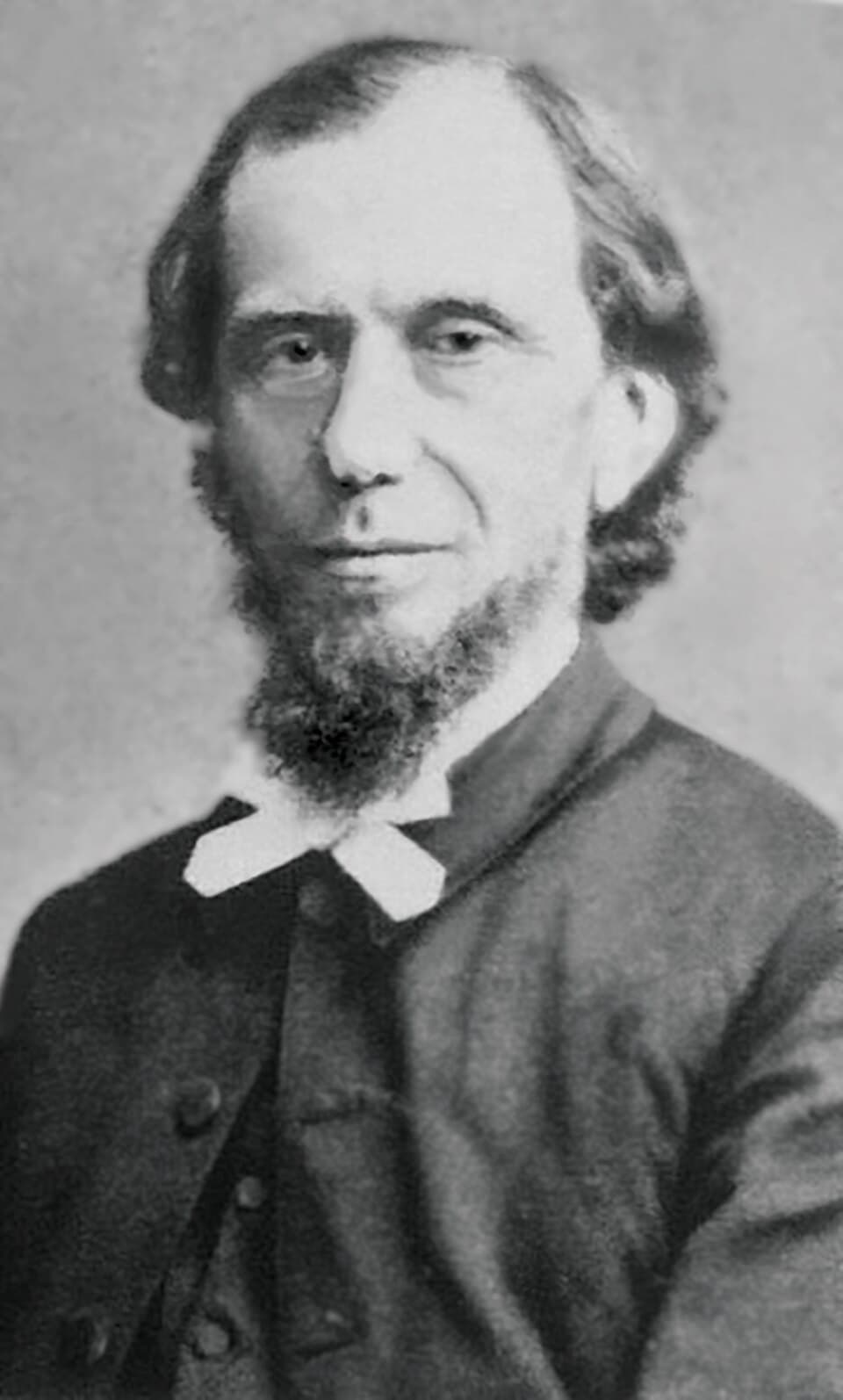
Look, I teach literature. I spend my days convincing seventeen-year-olds that dead authors still have something to say. Andrew Murray died in 1917, and here I am in 2024, red pen in hand, pausing the audiobook because a South African minister from the Victorian era just articulated something about spiritual surrender that I've never quite been able to put into words myself.
The Kind of Book That Demands You Show Up
This isn't background listening. I learned that the hard way during a faculty meeting when I realized I'd completely lost the thread of Murray's chapter on "the self life" because Principal Martinez was droning about budget allocations. (Sorry, Principal Martinez. Also not sorry.) Murray writes the way my favorite 19th-century novelists write—dense, layered, assuming you're paying attention. Each sentence builds on the last. Miss one, and you're scrambling.
The chapters move through concepts like carnal Christians, waiting on God, complete surrender, being dead with Christ. Heavy stuff. If you loved Dostoyevsky's spiritual wrestling in The Brothers Karamazov—that raw, almost desperate reaching toward the divine—this is its devotional cousin. Murray isn't telling stories; he's making arguments. And he expects you to follow along.
My students would absolutely hate this. I kind of love it for that reason.
Christopher Smith Gets Out of the Way (In the Best Sense)
I couldn't find much about Christopher Smith online, but based on this performance, he understands something crucial about narrating spiritual texts: the prose deserves to be savored. His reading is clear, warm, soothing—and deliberately unhurried. He's not performing Murray. He's serving Murray.
This is LibriVox, so we're talking volunteer narration, which means you're not getting the polish of a Simon Vance production. But honestly? The simplicity works here. There's something almost monastic about Smith's delivery. No dramatic flourishes. No vocal gymnastics. Just a steady, faithful voice guiding you through dense theological terrain.
Smith understands that pause is punctuation. He gives Murray's weightier statements room to breathe. When Murray writes about Christ's humility being our salvation, Smith doesn't rush past it. He lets it sit there. Which is exactly what this material needs.
That said—and I want to be honest here—if you need variety in your narration, this might test your patience. The pacing is consistent, which is either meditative or monotonous depending on your disposition. I found it meditative. Denise, when she overheard a few minutes on our lakefront walk, said it sounded like "church radio." She wasn't wrong. Whether that's a feature or a bug is on you.
Who This Is For (And Who Should Skip It)
At four and a half hours, this is a commitment. Not because it's long—it's not—but because the content is concentrated. One listener review I came across said it perfectly: "This book deserves ALL the attention and focus." That's true. You can't half-listen to Murray the way you might half-listen to a thriller.
I found myself returning to certain chapters. The one on waiting on God. The one on entrance into rest. Murray has this way of diagnosing spiritual restlessness that feels uncomfortably accurate. Heavenly Life wrestles with that same restlessness, though Murray's approach there feels slightly more accessible. He's writing about late 19th-century Christians, but he might as well be writing about me, checking my phone during prayer, rushing through devotions to get to my to-do list.
This is why we still read the classics. Not because they're old, but because they're true. That truth-over-novelty principle is what drew me to Torment too, though that one's a harder sell for different reasons.
If you're looking for spiritual entertainment, skip this. If you want something light for your commute, keep scrolling. But if you're looking for something to genuinely challenge how you think about surrender, rest, and what it means for Christ to actually dwell in you—not as metaphor but as reality—this is worth your time. Listen at 1.0x. Murray chose those words. Smith delivers them faithfully. Give them the space they deserve.
Sunday Morning, Coffee Getting Cold
I finished this before church, coffee getting cold, Denise reading in the next room. The final chapter—"God being all in all"—felt less like a conclusion and more like an invitation. Murray doesn't wrap things up neatly. He leaves you with the work still to do.
That's the point, I think. This isn't a book that changes you by listening. It's a book that shows you what change would require—and then asks if you're willing.
My mom will probably fall asleep during this one too. But I'll be recommending it on the podcast anyway.