
When Your Commute Becomes a Meditation
I put this on during a particularly brutal faculty meeting - you know the kind, where they're discussing standardized testing metrics for the fifteenth time this semester - and something shifted. James Allen's words, filtered through Gabriel's peaceful narration, cut right through the fluorescent-lit tedium. Suddenly I wasn't thinking about benchmark assessments. I was thinking about consciousness. About stillness. About what it actually means to align yourself with something larger.
Look, I teach high school English. My days are filled with teenagers who think Hemingway is "mid" and Fitzgerald is "giving boring." So when I say this 94-minute audiobook felt like a spiritual palate cleanser, I mean it literally saved my week.
The Voice That Carries the Message
Gabriel - and I couldn't find much about this narrator online, but based on this performance alone - has exactly the right approach for Allen's philosophical prose. Clear. Unhurried. Almost meditative in pacing. There's no theatrical flourish here, no attempt to dramatize what is essentially a series of reflections on spiritual oneness. And that's precisely correct.
This isn't the kind of book that needs a narrator to "perform." It needs someone to create space. Gabriel does that. The delivery is so peaceful that I found myself unconsciously slowing my breathing, which - honestly - might be the highest compliment I can give a spiritual audiobook. The words land softly but stick.
My wife Denise walked in while I was listening during my evening paper-grading session and asked why I looked "less murderous than usual." That's the Gabriel effect, apparently.
Allen's Obscure Gem (And Why It Matters)
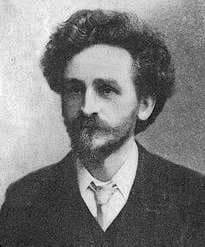
Most people know James Allen from As A Man Thinketh - that slim volume that launched a thousand motivational posters. If you're digging deeper into Allen's work, Above Life's Turmoil sits in that same contemplative space - less about quick wins, more about sustained inner work. But The Heavenly Life is different. Less quotable, maybe. More... contemplative. It's Allen at his most mystical, exploring what it means to achieve spiritual unity with the divine.
Now, I'm an English teacher, not a theologian. But I've read enough transcendentalist literature to recognize when someone is genuinely reaching for something beyond the material. Allen wrote without copyright, explicitly for the benefit of humanity. There's something beautiful about that generosity - and you can feel it in the prose. That same egoless approach runs through Man: King of Mind, Body, and Circumstance - Allen writing purely to share ideas, not to build a brand. No ego. No sales pitch. Just genuine reflection.
The writing is accessible but not dumbed-down. Allen doesn't assume you've read Swedenborg or studied Eastern philosophy, but he also doesn't hold your hand. He trusts you to sit with ideas. To let them unfold.
The Pacing Question
At 1 hour 34 minutes, this is a short listen. But here's my advice: don't try to power through it. This isn't a thriller. There's no plot twist waiting at the 45-minute mark. It's meant to be absorbed, not consumed.
I actually listened to it twice. Once during that faculty meeting (sorry, Principal Martinez), and once on a Sunday morning lakefront walk. The second listen hit differently - deeper, somehow. Like the ideas needed time to settle before they could really take root.
If you're the type who listens at 2x speed - and I know you're out there, you absolute heathens - please don't do that here. This is a 1.0x experience. The pauses matter. The rhythm matters. Allen chose his words carefully, and Gabriel honors that choice.
Who Should Listen (And Who Should Skip)
Let me be honest: if you're looking for actionable self-help advice, this isn't it. There are no "7 steps to spiritual awakening" here. No productivity hacks dressed up in mystical language. Skip this one if you need bullet points and action items.
This is for people who want to sit with questions rather than rush toward answers. For listeners who find comfort in philosophical reflection. For anyone who's ever felt that modern life moves too fast and wondered if there's a different way to exist in the world.
My students would absolutely hate this. They'd call it "boring" and "confusing" and probably ask why we couldn't just watch a TikTok summary instead. And that's fine. They're seventeen. They'll get here eventually. Or they won't. Either way, this book will be waiting.
Final Thought Over Morning Coffee
James Allen died in 1912, but his words still land. There's something timeless about genuine spiritual inquiry - it doesn't age the way trends do. The Heavenly Life isn't his most famous work, and it probably never will be. But maybe that's appropriate. Some books aren't meant to be bestsellers. They're meant to find the people who need them.
I needed it this week. Maybe you do too.