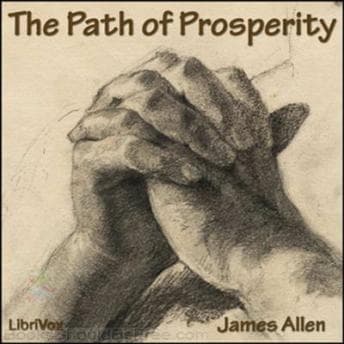

Look, I picked this one up because it's 2 hours and 25 minutes. That's it. That's the reason. After slogging through another 12-hour business book last week that could've been a LinkedIn post, I needed something short. Something that respects my time. James Allen wrote this in 1910, and honestly? The man understood brevity before it was a productivity hack.
I listened to this on a Sunday morning while Jenny was at yoga. Coffee in hand, no distractions. And here's the thing - I wasn't expecting much. These old self-help books can go either way. Sometimes they're genuinely insightful, sometimes they're just Victorian-era platitudes dressed up in fancy language.
This one's somewhere in between.
What My Parents Already Knew
Allen's core thesis is basically this: the world is chaos, but your mind doesn't have to be. You can't control external circumstances, but you can control your response to them. Sound familiar? It should. This is what every modern mindfulness app is selling for $14.99 a month.
But here's where Allen gets interesting. He's not just saying "stay calm" - he's arguing that inner peace is a skill you develop through deliberate practice. Through what he calls "self-conquest." My parents didn't have a word for this. They just did it. Running a dry cleaning business in Koreatown meant dealing with difficult customers, broken equipment, and razor-thin margins. Every. Single. Day. They didn't have time for anxiety. They had shirts to press.
Allen would've understood them, I think. There's a practicality underneath his flowery 1910s prose that actually lands. He's not asking you to meditate on a mountain. He's asking you to stay steady while the world falls apart around you. That's useful.
The Narration Situation
Okay, so Andrea Fiore. I couldn't find much about her online, but based on this performance - she's fine. She brings that same steady, contemplative energy to Majesty of Calmness, which I actually think is her best work. Just... fine. Her delivery is calm and measured, which fits the material. You're not going to get dramatic character voices here (there aren't any characters), and you're not going to get dynamic range. It's a steady, pleasant reading of philosophical essays.
For this specific book? That works. Allen's writing is dense with ideas, and Fiore doesn't rush through it. She gives the concepts room to breathe. I listened at 1.5x (yes, I dialed it back from my usual 2.0x) because some of these passages need a second to land. The audio quality is clean, no weird background noise or production issues.
But let's be honest - this isn't a narrator performance that's going to blow your mind. It's functional. It serves the material. If you're looking for something that'll keep you awake during a boring commute through sheer vocal charisma, this isn't it. Fiore's voice has a gentleness to it that suits the contemplative tone, but it's not going to carry you through if you're already drowsy.
The 1910 Problem
Here's my issue. Allen writes in that early 20th-century style where everything is capitalized for Emphasis and sentences go on for days. "The man who has not yet learned that worldly loss is spiritual gain, and that worldly gain is spiritual loss, has not yet found the way of peace." I mean - okay, James. I get it. But you could've said that in half the words.
The book is organized into twenty short pieces, and honestly? Some are better than others. The chapters on overcoming anxiety and finding purpose hit different when you've spent a decade watching startups implode because founders couldn't handle stress. The chapters on "purity" and "righteousness" feel more dated, more preachy. I zoned out during a few of those.
My 2.0x speed couldn't save this one - not because it's too long, but because the language requires actual processing. You can't half-listen to Allen while answering emails. The ideas are too compressed.
Who Should Listen (And Who Should Skip)
Bottom line: this is for people who want philosophy without the academic jargon. If you've read As A Man Thinketh (Allen's more famous work) and liked it, you'll like this. Allen also explores similar territory in Heavenly Life, though that one leans harder into the spiritual angle. Same vibe, just expanded.
I'd recommend it for:
- Anyone going through a high-stress period who needs perspective
- People who find modern self-help too shallow but don't want to tackle Seneca
- Sunday morning listening with coffee (seriously, that's the sweet spot)
Skip it if:
- You need practical tactics, not philosophy
- Victorian prose makes you want to throw your phone
- You're looking for anything resembling a narrative
Jenny would say I'm being harsh. Jenny is right. There's genuine wisdom here, buried under the dated language. Allen understood something fundamental about human psychology that we keep rediscovering and repackaging. The man didn't need a TED talk. He just wrote it down.
At 2 hours and 25 minutes, it respects your time. That alone puts it ahead of 90% of my Audible library. The key takeaway is worth the listen. The other 7 hours? They don't exist here. Finally, a self-help book that knows when to stop talking.