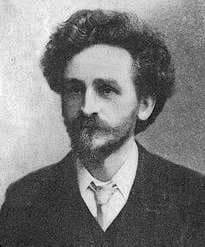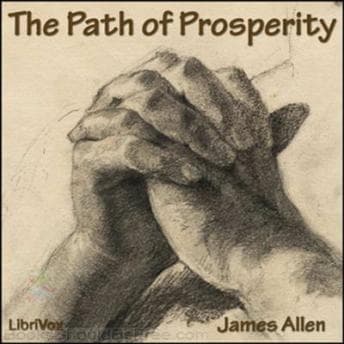

Look, I'll be honest with you. When I picked up this audiobook, I was grading a stack of sophomore essays on The Great Gatsby and desperately needed something to remind me why I got into literature in the first place. James Allen at just over an hour seemed like the perfect palate cleanser. And mostly? It delivered.
The Voice That Teaches Without Lecturing
Andrea Fiore brings exactly what this kind of philosophical text needs - clarity without pretension. She brings that same measured approach to Majesty of Calmness, which is why I've become a bit of a Fiore completist when it comes to these early 1900s philosophical texts. There's a steadiness to her delivery that reminds me of the best lecturers I had in grad school. The ones who didn't need to raise their voice because they trusted the material. She articulates Allen's prose with what I'd call respectful precision. Every sentence lands where it should.
But here's the thing. Some listeners have called her performance monotone, and I get it. I do. If you're coming to this expecting the dramatic range of a novel narrator, you'll be disappointed. This isn't that kind of book, though. Allen wrote philosophical meditations, not fiction. Fiore seems to understand that the text itself is doing the heavy lifting. Her job is to stay out of its way while making sure you catch every word. She does that well.
What Allen Is Really Saying
This is where my English teacher brain kicks in. (Sorry not sorry.) James Allen was writing in the early 1900s, and his central thesis - that mastering your own mind is the key to mastering your circumstances - was radical for its time. It's also, frankly, still radical now. My students would probably roll their eyes at lines like "the problem of life consists in learning how to live." Too earnest. Too sincere. But that's exactly why it works.
Allen doesn't hedge. He doesn't qualify everything to death the way modern self-help books do. He just... says it. There's something almost classical about his approach. Reminds me of Marcus Aurelius, actually. That same stripped-down philosophical directness. If you're looking for more of Allen's work in that same vein, Heavenly Life explores similar territory with the same uncompromising clarity. If you loved Meditations, this is its spiritual successor - minus the Roman emperor context.
The audiobook runs just over an hour, which is both a strength and a limitation. You can listen to the whole thing during a lakefront walk (which I did, twice). But some listeners have noted that you might want to read the full text for deeper understanding. They're not wrong. This is the kind of material you want to pause and chew on. At 1.0x speed - and yes, I listened at 1.0x because the prose deserves to be savored - I found myself wanting to stop and think about certain passages. The audiobook format doesn't always accommodate that impulse.
The Meditation Problem
Here's my one real criticism. Allen's writing is inherently meditative. It's meant to be absorbed slowly, returned to, underlined. An audiobook flattens that experience somewhat. You can't dog-ear a passage that hits you. You can't scribble in the margins. (And yes, I'm the kind of person who still scribbles in margins. My students think I'm ancient for this. They're not wrong about the ancient part.)
Fiore's calm, soothing delivery actually compounds this. It's lovely for relaxation - my wife Denise fell asleep to it, which she claims is a compliment - but it can make the material feel like it's washing over you rather than sinking in. That's not necessarily the narrator's fault. It's just the nature of translating contemplative prose to audio.
The production quality is clean. No background noise, no weird volume fluctuations. Exactly what you'd want for this kind of quiet, reflective listen.
Who Should Listen (And Who Should Skip)
If you're into philosophical self-improvement and you want something you can absorb during a commute or a quiet evening, this works beautifully. It's accessible without being dumbed down. Allen's language is from another era, but Fiore makes it feel approachable rather than stuffy.
Skip it if you need energy in your audiobooks. If you want someone who's going to perform the text rather than simply present it. There's no dramatic variation here, and that's by design - but it won't work for everyone.
I listened to this while walking the lakefront and again while pretending to pay attention at a faculty meeting. (Principal Martinez, if you're reading this, I was definitely listening to your budget presentation. I wasn't. I was listening to James Allen tell me that wisdom solves all problems. Seemed more useful, honestly.)
Worth an hour of your time if you're in the right headspace. Just maybe have a physical copy handy for the passages you'll want to return to.