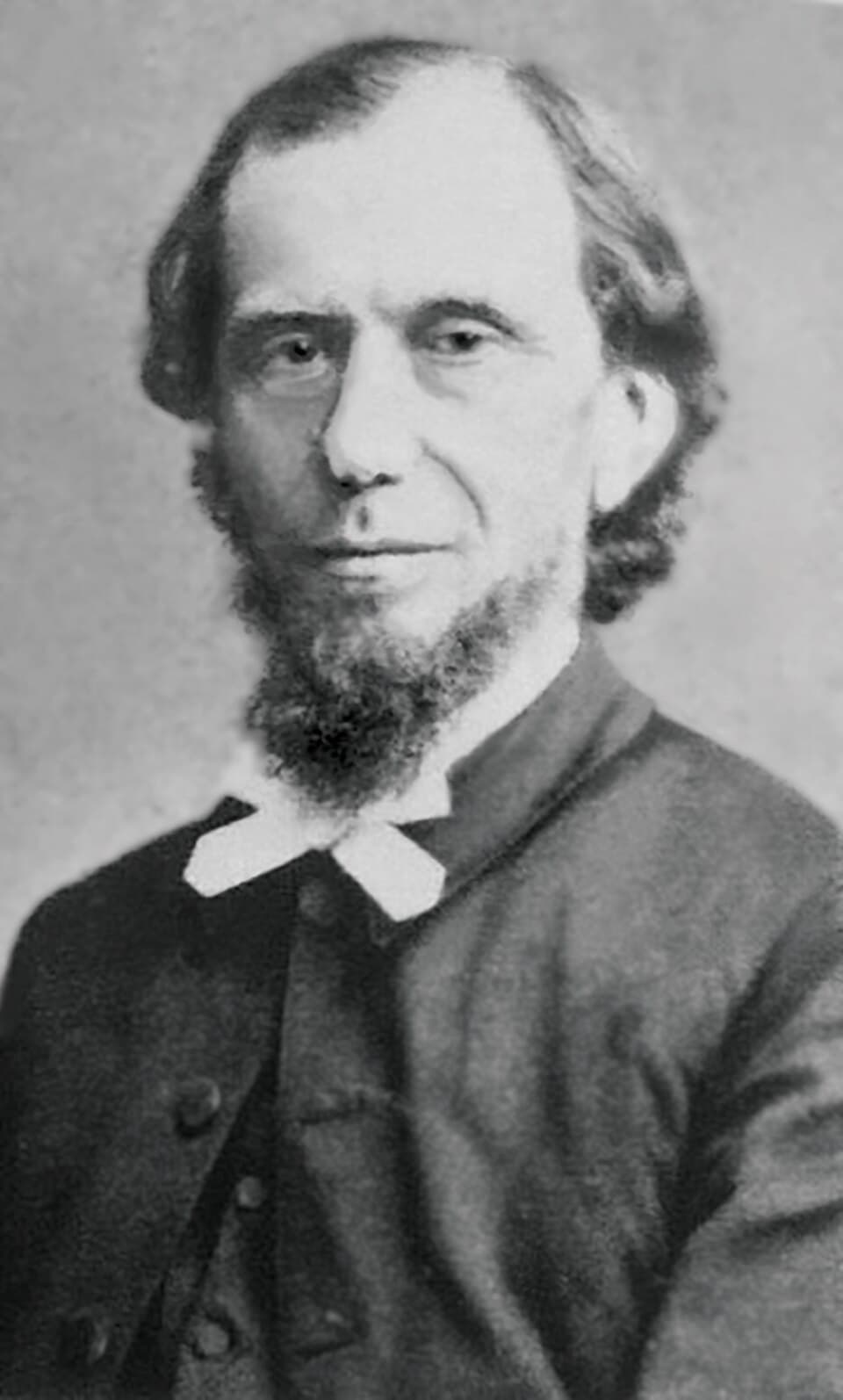

I expected this one to feel dusty. Andrew Murray wrote in the late 1800s, and devotional literature from that era can read like someone else's diary—intimate, sure, but also distant. Foreign. I started this during a late-night grading session, papers scattered across my desk, red pen bleeding dry, and honestly? I needed something to cut through the monotony of correcting comma splices.
What I got instead was a quiet rebuke. The gentle kind.
The Prose Demands Attention
Murray writes the way good preachers used to speak—measured, deliberate, each sentence building toward something. This isn't a book you can half-listen to while pretending to pay attention to Principal Martinez's quarterly budget review. (Not that I would ever do such a thing.) The meditations are structured as daily readings, thirty-one of them, each about seven minutes of audio. Short enough to digest. Dense enough to chew on.
What struck me—and this is something my students would hate—is how Murray refuses to let you off easy. He's not interested in feel-good Christianity. He keeps circling back to this uncomfortable truth: that working for God isn't about our effort or our cleverness. It's about surrender. About getting out of the way. As an English teacher who spends his days trying to shape young minds, that landed harder than I expected.
Christopher Smith's narration matches the material perfectly. His reading is clear, unhurried, faithful to the devotional tone without tipping into theatrical reverence. This is LibriVox production—no music, no sound effects, just one man reading. And honestly? That's exactly what this text needs. Any production flourishes would feel like putting a neon sign on a cathedral.
Where Murray Becomes Murray
If you've read "Waiting on God"—and this is explicitly a sequel to that work—you'll recognize Murray's central obsession: the relationship between human action and divine power. Prayer: Experiencing Awe and Intimacy with God explores that same tension from a different angle, asking how we approach God without turning intimacy into another task to complete. But where "Waiting" emphasized stillness, "Working" grapples with the tension of doing. How do you labor without striving? How do you work without trusting in your own work?
Murray keeps returning to agricultural metaphors—seeds, soil, harvest. There's something almost Wendell Berry about his insistence that spiritual growth follows natural rhythms, not industrial ones. We plant. We water. But we don't make things grow.
I found myself pausing the audio repeatedly. Not because it was slow—though at 1.0x speed, it does require patience—but because certain phrases demanded I sit with them. Murray has this habit of stating something simply, then circling back to complicate it. He'll say something like "the work is God's work" and you think you understand, and then three meditations later he's showing you that you didn't understand at all.
The LibriVox Reality
Let me be honest about what you're getting here. This is a free recording. The production is straightforward—clean audio, single narrator, no bells or whistles. Christopher Smith reads with clarity and respect for the text, but this isn't a performance in the theatrical sense. It's more like having a thoughtful friend read aloud to you.
For some listeners, that simplicity will feel austere. If you're used to big-budget productions with full casts and cinematic soundscapes, this will feel stripped down. But I'd argue that's appropriate. Murray wasn't writing entertainment. He was writing for the quiet hours, for the moments when you're alone with your thoughts and your God and the gap between who you are and who you're called to be.
The 3 hour 45 minute runtime makes this manageable as a month-long devotional—about seven minutes per day—or a focused weekend listen if you prefer immersion.
Who This Is For (And Who Should Skip)
This is for believers who are tired of productivity gospel. For people who've been working so hard at being good Christians that they've forgotten to let God work in them. If you're burnt out on ministry, exhausted by service, wondering why your best efforts feel hollow—Murray wrote this for you a hundred and twenty years ago.
It's probably not for casual spiritual seekers. Murray assumes you share his theological framework. He's not interested in apologetics or conversion. He's speaking to the choir, but he's asking the choir why they've been singing in their own strength.
My students would hate this. Too slow. Too old-fashioned. Too demanding.
I loved it.
Worth Pausing the Faculty Meeting For
I finished this at 2 AM, papers still ungraded, red pen finally dead. Denise was asleep. The apartment was quiet. And I sat there thinking about all the ways I've tried to be a good teacher, a good husband, a good man—through sheer effort, through willpower, through grinding determination.
Murray would say that's the problem. That the work only becomes fruitful when we stop white-knuckling it and let Someone Else do the heavy lifting.
I'm not sure I know how to do that yet. But this book made me want to learn.