
Let me cut to the chase - I picked up Machiavelli's History of Florence expecting the same sharp, calculating mind that gave us The Prince. What I got was something different. Not worse, just... different. And honestly, it took me about three hours of windshield time between Austin and Houston before I figured out what I was dealing with.
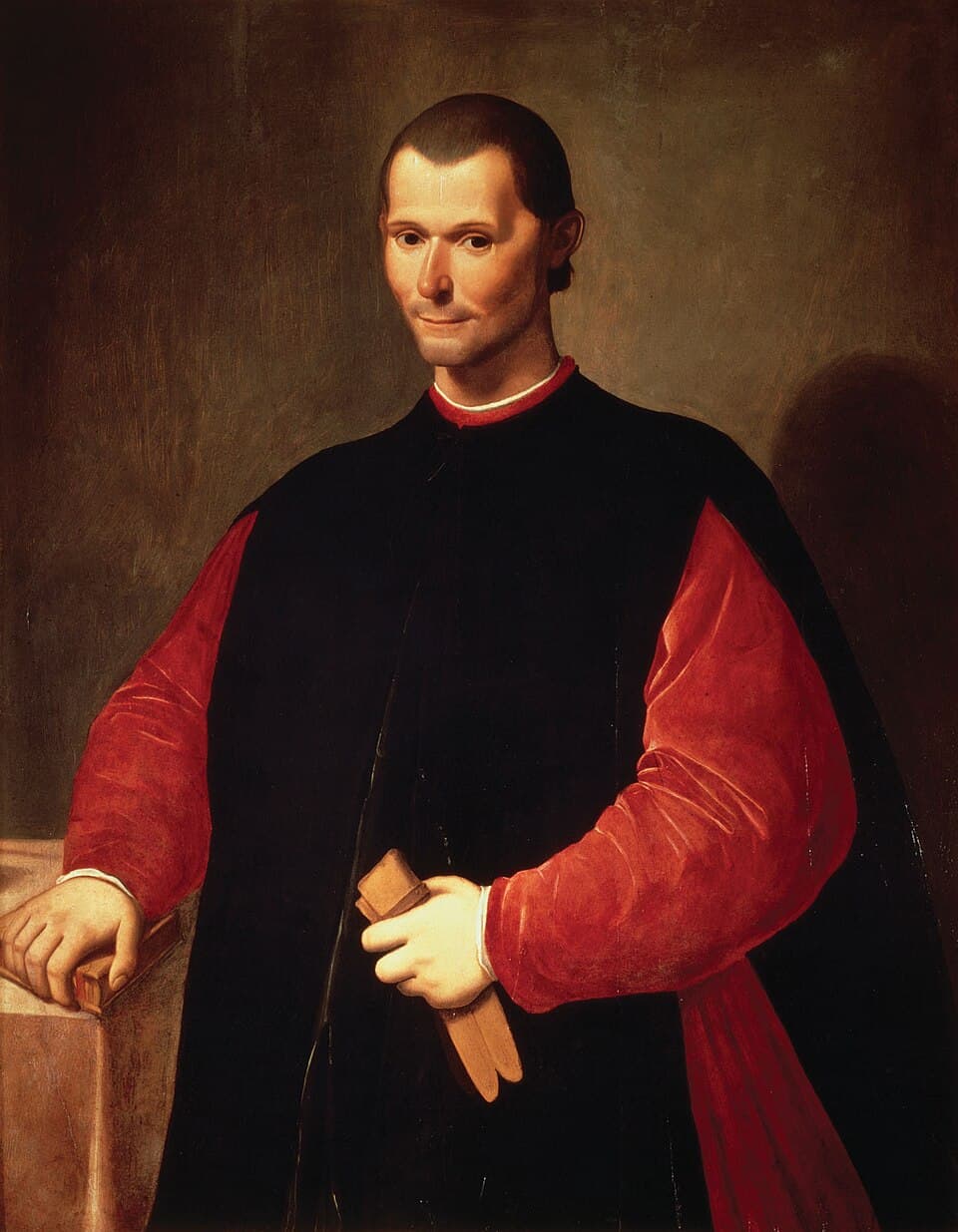
This isn't Machiavelli the scheming political theorist. This is Machiavelli the job applicant, trying to get back in the good graces of the Medici family after they'd basically blacklisted him. That context matters. A lot. Once I understood he was writing this to curry favor with Cardinal Giulio de Medici (who'd later become Pope Clement VII), the whole thing clicked into place.
When a Master Strategist Writes History
Here's what surprised me - Machiavelli actually does his homework. The man covers centuries of Italian political chaos with the kind of analytical eye you'd expect from a military briefing. Factions rise, factions fall, alliances shift like sand. If you've ever studied counterinsurgency or tribal dynamics in places like Iraq, you'll recognize the patterns. Story of Mankind covers that same cyclical pattern across human history, though with less focus on the Italian city-states. Different names, different centuries, same human nature.
The early sections covering the decline of Rome and the barbarian invasions are pretty dense. I won't lie - I zoned out a couple times during the Lombard stuff. But when he gets into the meat of Florentine politics, the internal power struggles, the family vendettas, the way money and influence corrupt institutions from the inside out? That's where Machiavelli shines. I've seen this scenario play out in real life, just with different uniforms.
What's interesting is how he threads the needle between flattering the Medici (his patrons) while still maintaining some intellectual honesty. You can feel him walking that tightrope. It's subtle, but it's there.
The LibriVox Reality Check
Okay, so here's where we need to talk about the narration. This is LibriVox, which means volunteer readers. Free audiobook. And you get what you pay for - sometimes that's great, sometimes it's rough.
The audio quality varies. Some sections are crisp and clear. Others sound like they were recorded in someone's bathroom. (Not exaggerating.) The pacing shifts depending on which volunteer is reading, and the transitions between readers can be jarring. One minute you've got someone reading with authority and gravitas, the next you've got someone who sounds like they're fighting sleep.
I listened at 1.25x as usual, and honestly, some of the slower readers needed it. Others were fine at normal speed. It's inconsistent, and that's just the nature of the beast with LibriVox productions.
Is it listenable? Yes. Is it polished? No. Would a professional narrator with consistent pacing and better production values improve the experience? Absolutely. But this is a 500-year-old political history text - we're not exactly swimming in audiobook options here.
Worth Your Time? Here's the Debrief
This is a niche listen. I mean that seriously. If you're into Renaissance Italian history, political theory, or you just want to understand Machiavelli beyond the pop-culture caricature, it's worth the nearly nine hours. The man understood power dynamics in a way that still applies today. Story of My Life offers a different lens on understanding human nature through personal narrative rather than political analysis.
But if you're looking for something accessible or entertaining in the traditional sense, this isn't it. The prose is dense (it's a 16th-century translation, after all), the names blur together unless you're taking notes, and the LibriVox production adds an extra layer of challenge.
Ranger fell asleep during the Lombard sections, for what that's worth. Can't blame him.
Who Should Listen (And Who Should Skip)
If you've already read The Prince and want to see how Machiavelli applied his thinking to actual historical analysis, this fills in some gaps. It's also free, which counts for something. Skip it if you need polished production or can't stomach 16th-century prose density. Just don't expect a smooth ride either way.
For serious history buffs only. Mission accomplished - but barely.







![Steve Jobs [unabridged audiobook] audiobook cover](/_next/image?url=https%3A%2F%2Fcovers.audiobooks.com%2Fimages%2Fcovers%2Ffull%2F9788499923406.jpg&w=1920&q=75)