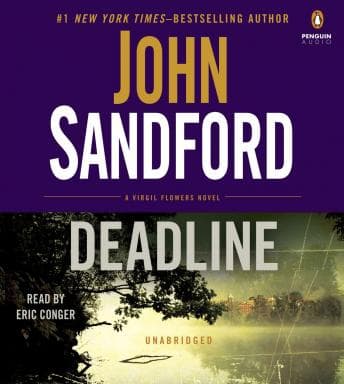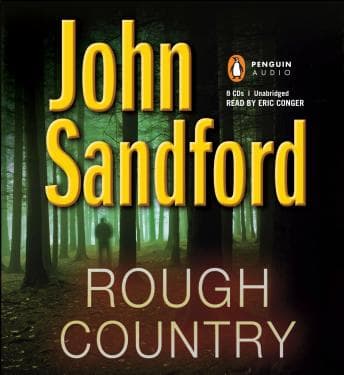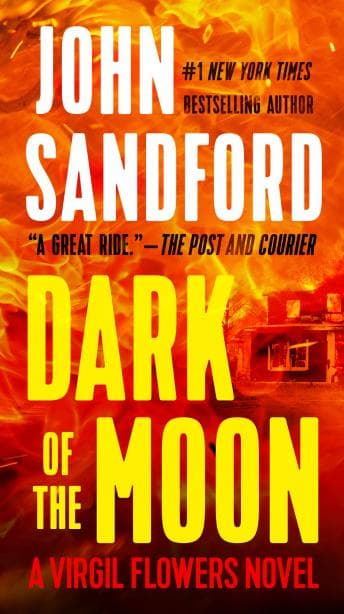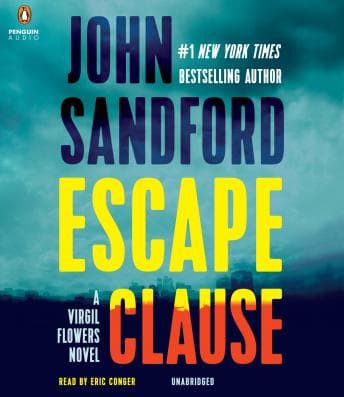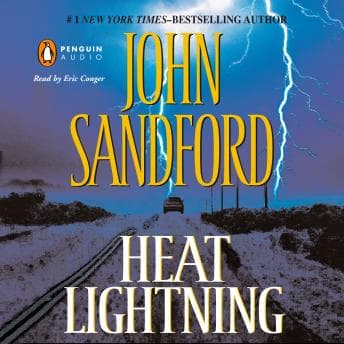

Look, I wasn't expecting to spend a Thursday night at the library's back desk absolutely riveted by a procedural thriller. But here we are. The book drop was full, my coworkers had gone home, and I had Heat Lightning playing through my earbuds while I processed returns. Three hours later, I'd barely made a dent in the cart because I kept stopping to just... listen.
Here's the thing about John Sandford that horror people don't always appreciate: the man understands dread. Not the supernatural kind, obviously. But that slow, creeping realization that something is very, very wrong? He gets it. And this book—with its bodies showing up with lemons in their mouths like some kind of signature—plays that card beautifully.
The Lemon Thing Is Weirder Than It Sounds
Okay, so the premise. Bodies are turning up near veterans' memorials. Two shots to the head, a lemon stuffed in the mouth. And Virgil Flowers—who I've come to appreciate as this wonderfully irreverent counterpoint to the more buttoned-up Davenport—gets pulled into what becomes a deeply uncomfortable investigation. Because when he figures out what connects these victims? Ugh. It's one of those revelations that makes you want to stop listening but you absolutely cannot.
Sandford doesn't do cheap twists. What he does is build a case file that feels lived-in, messy, and disturbingly plausible. The conspiracy—and yes, there's a conspiracy—roots itself in real history, real trauma, real institutional failure. Four Blind Mice worked similar territory with its military conspiracy angle, though Sandford's approach feels more grounded in bureaucratic rot than Patterson's flashier plotting. It's the kind of thriller that makes you Google things afterward. (I did. At 2 AM. Shirley was unimpressed.)
Eric Conger Earns His Keep
I'll be honest: I didn't know much about Eric Conger before this. Couldn't find a ton about him online beyond the usual narrator credits. But based on this performance? The man commits. His Virgil has this easygoing quality that masks a sharp investigator's mind, and Conger captures both sides without making it feel like a performance. It just feels like Virgil.
The character differentiation is solid—you can tell who's speaking without needing dialogue tags, which is the bare minimum for a good audiobook narrator but you'd be surprised how many fail that test. Some reviewers have called his pacing a bit slow, and I can see that. There are stretches where the investigation grinds through bureaucratic details and the narration doesn't exactly pick up speed. But honestly? That worked for me. Thrillers that rush through the procedural stuff always feel hollow. The slow burn paid off.
What I appreciated most was Conger's restraint. He doesn't oversell the tension. When things get dark—and they get pretty dark—he lets the words do the work. No melodrama. Just this steady, almost clinical delivery that somehow makes everything more unsettling.
Where Sandford Shows His Horror Instincts
My podcast listeners know I'm always hunting for horror DNA in non-horror genres. And Sandford? The man writes dread like someone who's read his share of dark fiction. There's a scene—I won't spoil it—where Virgil realizes the scope of what he's dealing with, and the way it unfolds has that same gut-punch quality as the best horror reveals. You know something terrible is coming. You can feel the shape of it. And when it lands, it's worse than you imagined.
The booby-trapped trails the description mentions? Not metaphorical. There's actual danger here, and Sandford handles violence with the kind of matter-of-fact brutality that feels more disturbing than graphic gore ever could. This isn't horror, but it understands that real terror comes from human capacity for cruelty. From institutional betrayal. That same institutional dread runs through Green Rust, though Wallace wraps it in more pulpy trappings. From the things people do to each other when they think no one's watching.
Who's Checking This Out (And Who Should Skip It)
If you appreciate craft—if you want a mystery that actually earns its revelations—this delivers. But fair warning: if you need breakneck pacing, this might test your patience. The investigation takes its time, grinding through bureaucratic details that some listeners will find tedious. Conger's narration won't blow you away with vocal pyrotechnics, but it's steady, professional, and serves the story well.
Closing the Book Drop
Probably won't revisit this immediately—it's a ten-hour commitment and I've got a backlog that would make my podcast co-host weep. But I'm absolutely continuing with the Virgil Flowers series. I finished processing that book cart around midnight. Worth it.