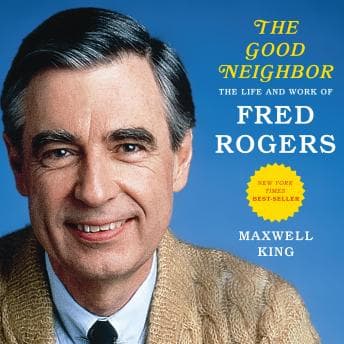

Okay so here's my complaint: this book made me cry about a man in a cardigan who talked to puppets for a living. I was sitting at my desk at 2 AM, deadline for a branding package breathing down my neck, and LeVar Burton is telling me about how Fred Rogers would write letters - handwritten, actual letters - to every single person who wrote to him, including children, and I just... had to put my stylus down and stare at the ceiling for a minute. Diego jumped on my lap like he knew. Frida judged from across the room. As she does.
Here's the thing people keep saying about this book that I need to address: it's repetitive. And yeah? They're not wrong. Maxwell King circles back to the same themes - Rogers's Presbyterian faith, his childhood loneliness in Latrobe, Pennsylvania, his almost obsessive commitment to validating children's feelings - more than once. Sometimes it feels like King is scared you'll miss the point, so he underlines it again. And again. But here's where I'll fight the three-star reviewers: the repetition started to feel intentional to me, like the way Fred Rogers himself would repeat things slowly to children because he genuinely believed they deserved time to process. Was King doing that on purpose? I have no idea. But it worked on me emotionally even when it occasionally dragged structurally.
LeVar Burton Did Not Have to Go That Hard
Let me be clear about something - LeVar Burton narrating a Fred Rogers biography is the most correct casting decision in audiobook history and I will not be taking questions. His voice carries this specific warmth that never tips into saccharine, which is EXACTLY what this book needs because Fred Rogers's goodness could easily read as fake or too-sweet in the wrong hands. Burton uses these quiet pauses - actual silence, just breathing room - that mirror the way Rogers himself used silence on television as a gift rather than dead air. I ended up down a whole rabbit hole about how sound and silence work on the human brain after this - This Is Your Brain on Music is a completely different kind of book but it gave me actual language for why Burton's pauses hit the way they do. When he reads Rogers's quotes, his inflection shifts just enough that you can almost hear Fred's gentle cadence underneath Burton's own voice. It's not an impression. It's more like... a reverence that lives in the delivery.
The opening and closing music from Mister Rogers' Neighborhood hit me like a freight train, by the way. Just those familiar notes and I was back on my abuela's carpet in San Antonio, watching the trolley go to the Land of Make-Believe while she made arroz con leche in the kitchen. She loved that show. She barely spoke English and she loved that show because she said "that man is kind in any language." My heart. MY HEART.
The Parts That Made Me Set Down My Coffee and Just Sit There
The early chapters about Rogers's childhood surprised me - this was a lonely, overweight kid in a wealthy family in small-town Pennsylvania who got bullied relentlessly and turned inward. King traces how that isolation became the engine for everything Rogers later built. There's a section about Rogers seeing television for the first time and being horrified by how it was being used - people throwing pies in each other's faces - and deciding right then that he wanted to use this medium for something better. The audacity of that. A seminary student looking at 1950s TV and saying "I can fix this" and then actually doing it for thirty years.
What I didn't expect was the chapter about Rogers walking away from the Neighborhood to create programming for adults. It didn't work. And King doesn't shy away from that failure, or from the way Rogers processed it and came back to children's television with even more sophistication, bringing in child psychologists and development experts to shape episodes. The section on how Rogers handled topics like divorce, death, and assassination attempts on national figures - explaining them to four-year-olds with absolute honesty and zero condescension - that's where I ugly-cried. Specifically when King describes Rogers's response to the Bobby Kennedy assassination and how he rushed to create content that would help children process what they were seeing on the news.
At 14 hours, this is a commitment. And I won't pretend every minute earned its place. Some of the details about Rogers's family background and the Latrobe social scene in the 1930s feel like padding - the kind of biographical thoroughness that serves completists more than casual listeners. But when King locks onto Rogers's actual work and philosophy? This book felt like being wrapped in a blanket you forgot you owned.
Who Needs This in Their Ears
If you grew up watching Mister Rogers and carry any tenderness about that - yes. If you're skeptical that anyone could really be that good and want the receipts - also yes, because King doesn't hagiographize, he just presents the evidence and it's overwhelming. If you need tight pacing and zero repetition, maybe grab the physical book so you can skim. But the audiobook with Burton is the definitive way to experience this. His voice is velvet and honey and it turns a biography into something that feels like being told a bedtime story about goodness by someone who believes in it.
Abuela would have loved this one. She would've made me translate every other chapter and then told me she already understood.






![Steve Jobs [unabridged audiobook] audiobook cover](/_next/image?url=https%3A%2F%2Fcovers.audiobooks.com%2Fimages%2Fcovers%2Ffull%2F9788499923406.jpg&w=1920&q=75)