
Stuck in traffic on a gray Tuesday afternoon when MacLeod Andrews started reading about a man obsessed with fingerprints, convinced the police were coming for him. The Fruit at the Bottom of the Bowl had me gripping my steering wheel, completely forgetting I was supposed to be annoyed about the gridlock. That's Bradbury for you—he sneaks up on you.
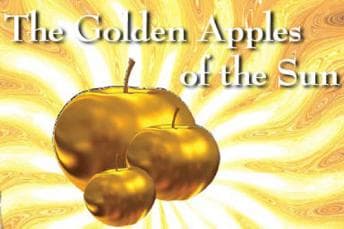
This audiobook collects eight stories from Bradbury's 1953 collection, and while it's not the complete set of twenty-two, what's here represents some of his finest work. You get the title story about a spacecraft literally flying into the sun, the legendary A Sound of Thunder with its butterfly effect before anyone called it that, and The Foghorn—which became the basis for Beast from 20,000 Fathoms. These aren't just stories; they're cultural touchstones wrapped in Bradbury's unmistakable prose.
MacLeod Andrews as Your Campfire Guide
The narration situation is interesting. Andrews handles primary duties with a clear, warm delivery that suits Bradbury's lyrical writing style. His voice has this quality that feels like a campfire storyteller—not overly theatrical, but genuinely engaged with the material. During The April Witch, where a young witch possesses other bodies to experience love, Andrews captures both the longing and the strangeness without overselling either emotion. The pacing works particularly well for Bradbury's contemplative moments, giving the poetic language room to breathe.
That said, I get why some listeners feel the audio experience doesn't quite match reading these stories on the page. Bradbury's writing is so visually evocative, so packed with imagery, that hearing it read aloud sometimes flattens what your imagination might otherwise construct. There are moments—particularly in the quieter passages—where the narration settles into a steady rhythm that some might find monotone. One listener put it perfectly: Bradbury's storytelling power is so strong that it overcomes the narrator's one-stringed guitar. That's both a compliment to Bradbury and a gentle critique of the performance.
The Stories That Hit Hardest
The Flying Machine hit differently than I expected. Set in ancient China, it's about an emperor who destroys a man's invention—a flying apparatus—because he fears what others might do with such technology. At under two hours total runtime, each story feels like a concentrated dose of something profound. Bradbury wasn't interested in explaining the science of his science fiction; he wanted to explore what technology and wonder do to human hearts.
Hail and Farewell broke me a little, I'll admit. A story about a man who never ages past childhood, who must leave each family he joins before they notice he doesn't grow—it's the kind of quiet devastation Bradbury excelled at. The narration here earns its keep, delivering the emotional weight without melodrama. One reviewer mentioned crying at an unexpected moment, and I suspect this story was the culprit.
The Murderer offers something different: dark comedy about a man who destroys every electronic device around him because he can't stand the constant noise of technology. Written in 1953, it reads like prophecy now. Hearing it performed adds a layer of irony—here I am, listening through earbuds, to a story about escaping the tyranny of devices.
Runtime and Production Specs
At just under two hours, this collection works beautifully for a single long commute or a couple of shorter listening sessions. The production quality is clean, with no background noise or audio issues to distract from the stories. Each tale stands alone, so you can pause between them without losing narrative threads.
The Honest Debug Report
Here's my assessment: if you've never read Bradbury, this audiobook serves as an excellent introduction to his range. You get science fiction, fantasy, horror, and something that defies categorization entirely. That genre-blending approach shows up in From Dead to Worse, though Charlaine Harris takes it in a completely different direction—mixing supernatural politics with Southern charm instead of Bradbury's poetic dread. If you're already a Bradbury devotee who reads his sentences slowly, savoring each metaphor, the audio version might feel like someone's rushing you through a museum. The narration is good—genuinely good—but it's competing against prose that practically demands you stop and reread paragraphs.
The stories themselves? Unimpeachable. A Sound of Thunder alone justifies the purchase, and The Foghorn contains some of the most haunting imagery in American short fiction. Whether you experience them through Andrews' voice or your own internal narrator, these are stories that stick with you long after they end.
Who Should Queue This Up (And Who Should Skip)
For commuters and multitaskers who want literary science fiction without the commitment of a full novel, this collection delivers. Skip if you're a purist who worships at the altar of Bradbury's prose—maybe sample first to see if the narration enhances or diminishes your experience. Either way, the stories themselves remain what they've always been: small miracles of imagination that somehow feel more relevant seventy years after they were written.