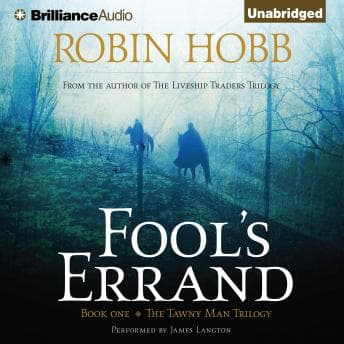

Look, I need to address the elephant in the room first: yes, there's a narrator change from the original Farseer trilogy. And yes, it threw me for about two hours. Paul Boehmer's voice had lived in my head for three books, and suddenly James Langton shows up with his warm Irish-inflected Chade and slightly different name pronunciations. I almost stopped.
I'm so glad I didn't.
The Adjustment Period Is Real (But Worth It)
Here's the thing about narrator switches in long fantasy series - they're jarring in the same way recasting your favorite TV character is jarring. Your brain rebels. "That's not how Chade sounds," I kept thinking during the first couple chapters. But Langton does something clever: he doesn't try to imitate Boehmer. He makes these characters his own, and somewhere around hour three, my brain just... accepted it.
Langton's voice is clear and warm, with this gentle cadence that actually suits older, wearier Fitz perfectly. The man has been living in exile for fifteen years, and Langton's delivery captures that bone-deep tiredness. His female voices are genuinely excellent - not that weird falsetto thing some narrators do, but actual distinct characters who happen to be women. And his Fool? Chef's kiss. The playfulness, the underlying melancholy, the way his voice shifts when the Fool drops the jester mask - Langton nails it.
The mispronunciations are there, I won't lie. If you're the type of fantasy reader who gets genuinely upset when someone says "SIGH-mon" instead of "SEE-mon," you might need to take some deep breaths. But honestly? After 25 hours of listening, I barely noticed anymore.
Robin Hobb Doing What Robin Hobb Does Best
So the plot: Fitz has been hiding in the countryside, raising his ward Hap, pretending he's just some regular dude named Tom Badgerlock. (I love that name. It's so aggressively mundane.) Then the Fool shows up, because of course he does, and suddenly Fitz is getting dragged back into Farseer politics because Prince Dutiful has vanished right before his betrothal.
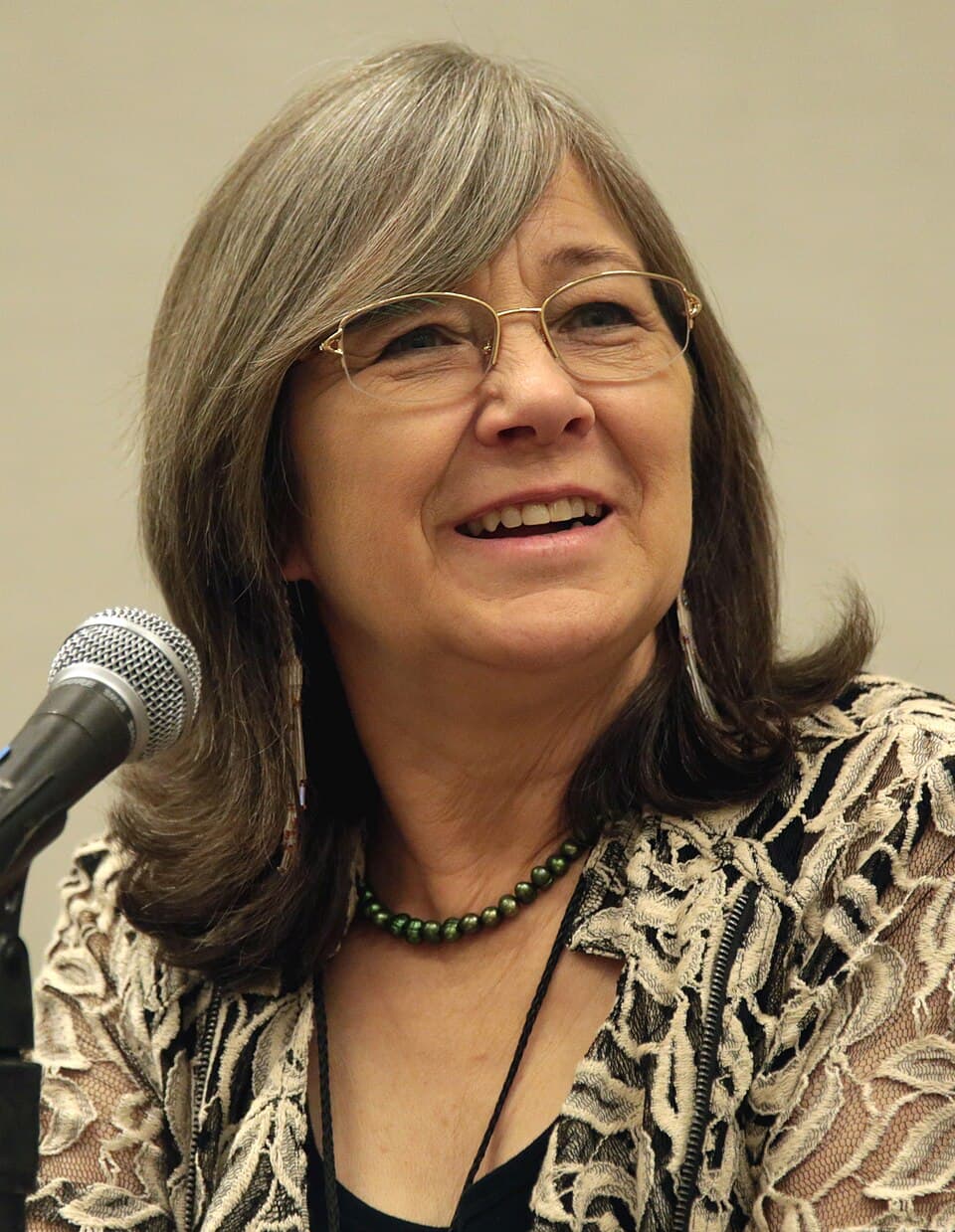
But here's what you need to understand about Robin Hobb - the plot is almost secondary. This is a character study wrapped in a fantasy adventure. Hobb spends time with Fitz. We sit with his grief, his complicated relationship with Nighteyes (still the best wolf companion in fantasy, fight me), his terror at being pulled back into a world that nearly destroyed him. George R. R. Martin called her books "diamonds in a sea of zircons" and yeah, that tracks.
The pacing is slow. I'm not gonna sugarcoat it. If you need action every chapter, this isn't your book. But if you're the kind of reader who wants to understand why a character makes their choices, who wants to feel the weight of fifteen years of exile, who wants relationships that feel earned rather than convenient - this is Sanderson-level world-building with way more emotional depth.
(I listened to this instead of writing my thesis. Dr. Patel would not approve. Worth it.)
The Slow Burn That Pays Off
Langton's pacing matches Hobb's prose perfectly. He doesn't rush through the quiet moments, which some listeners might find frustrating but I found immersive. The emotional beats land because he gives them room to breathe. There's this scene - I won't spoil it - involving Nighteyes that made me pause my coding and just... sit there. That same kind of emotional gut-punch is what drew me into From Dead to Worse, where the narrator's pacing lets character moments hit just as hard. In my apartment. Like an idiot. Because a narrator made me feel things about a fictional wolf.
The production quality is clean, no weird background noise or volume issues. Just Langton's voice and Hobb's words for nearly 25 hours. It's a commitment, yes, but so is every Robin Hobb series. You know what you're signing up for.
Quest Complete: Would I Listen Again?
Absolutely. This is comfort fantasy for me now - the kind of book I'll revisit when I need to remember why I fell in love with the genre in the first place. That same pull toward character-driven storytelling is what drew me into Lady of the Lake, which has that same meditative quality where the magic system and politics matter less than understanding why people make the choices they do. The narrator switch is a hurdle, not a wall. Give Langton three hours and he'll win you over.
My D&D group would love this, honestly. The Skill and Wit magic systems are the kind of thing we'd spend entire sessions debating. Speaking of magic systems worth debating—Confessor has that same layered complexity where the power structure demands your full attention and rewards close reading. The design here reminds me of what Iron Gold attempts with its own layered power structures—that kind of detailed worldbuilding that rewards close attention.
Who should listen: Fantasy readers who want character depth over constant action, Farseer trilogy fans ready to push through a narrator adjustment, and anyone whose D&D campaigns run heavy on roleplay. Skip it if: you need plot momentum every chapter or mispronunciations genuinely ruin your experience. If you're new to Hobb... maybe start with Assassin's Apprentice first? But either way, this is fantasy as it ought to be written.