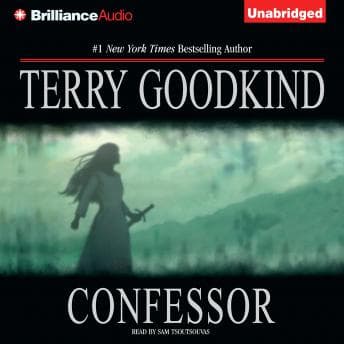
Look, I've been putting off this review because I have feelings about it. Complicated ones. After 23 hours with Sam Tsoutsouvas in my ears, finishing out a series that's been lurking in my TBR pile for years, I'm left with that weird mix of satisfaction and... something else. Let me explain.
First, the elephant in the room: Tsoutsouvas was apparently sick during the first several chapters. And yeah, you can tell. There's some throat-clearing, some congestion that pulled me out of the narrative when I should've been sinking into it. It's distracting in the way a flickering light in a movie theater is distracting - you can still watch the film, but part of your brain keeps noticing. I almost stopped. I'm glad I didn't.
When the Voice Finally Settles In
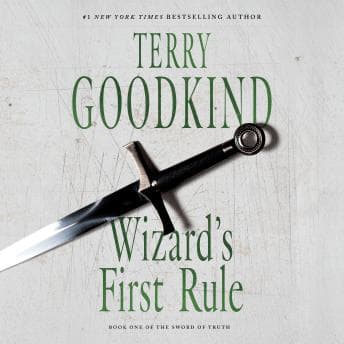
Once you push past those rough opening chapters, Tsoutsouvas delivers. His voice is deep, stern, commanding - everything you want for a dark fantasy epic about the end of the world. The way he softens for women and children characters without making it feel condescending? That's craft. His Zedd is particularly perfect - exactly the voice I'd imagined for the old wizard, which is honestly rare. He established these voices from the beginning in Wizard's First Rule. Most narrators get one or two characters right. Tsoutsouvas nails the whole ensemble.
And the emotional range. Ugh. There are moments in this book - Richard's guilt, Kahlan's absence, the weight of impossible choices - where the narration elevated material that could've felt melodramatic on the page. Tsoutsouvas understands that epic fantasy requires commitment. You can't half-deliver lines about the dawn of a savage new world. He doesn't.
The Goodkind Problem (You Know the One)
Here's where I have to be honest with you. Terry Goodkind's writing is... a lot. If you've made it through the previous books in the Sword of Truth series, you know what I mean. I had similar endurance tests with Towers of Midnight, though Jordan's philosophical moments felt more earned. The philosophical tangents. The repetitive plot beats. The preaching. (And yes, there's preaching.) This isn't new, but at 23 hours, it can feel like being lectured by a very passionate uncle at Thanksgiving.
The ending felt rushed to me, which is wild to say about a book this long. All that buildup, all those hours of mounting dread and sacrifice, and then - boom. Done. I sat in my car in the library parking lot for a solid five minutes afterward, just processing. Not in a "wow, that was profound" way. More in a "wait, that's it?" way.
But here's the thing: Tsoutsouvas makes the verbose sections bearable. His pacing is steady, his tone consistent, and he keeps you engaged through plot complexity that would lose me on the page. The audiobook format genuinely saves this book from itself in places.
The Technical Stuff (Because It Matters)
Some volume inconsistencies across chapters. Annoying but not dealbreaking. The production is generally clean otherwise. I'd recommend keeping your volume steady and maybe bumping it up during quieter sections rather than constantly adjusting.
At 23+ hours, this is a commitment. I listened during my commute, during late-night cataloging sessions at the library, during walks with Shirley judging me from the window. It's the kind of audiobook that becomes part of your routine for weeks. Make sure you're ready for that relationship.
Who Should Listen (And Who Should Skip)
If you've followed Richard and Kahlan through the entire Sword of Truth series, you need this. Obviously. You didn't come this far to not finish. Tsoutsouvas will carry you through the weaker writing moments, and the conclusion - rushed as it is - still delivers on the emotional promises the series has been making.
If you're new to Goodkind? Start at the beginning. This isn't a standalone, and you'll be completely lost. Skip this one entirely until you've done the work.
If you're sensitive to verbose writing, philosophical tangents, or narrators who sound congested for the first hour? Maybe sample first. The audiobook has real strengths, but it's not going to convert you if you're already skeptical of epic fantasy's tendency toward excess.
I finished this at 2 AM, in the dark, because apparently I never learn. The final chapters hit different in the silence of a sleeping apartment. Tsoutsouvas's voice carrying the weight of a world about to change forever. It's not perfect. The book isn't perfect. But there's something about finishing a journey this long, with a narrator this committed, that stays with you.
Shirley was unimpressed. I was satisfied. That's probably the best I can offer.