
This is what happens when a thriller writer decides geopolitics is scarier than anything supernatural — and honestly? He's not entirely wrong.
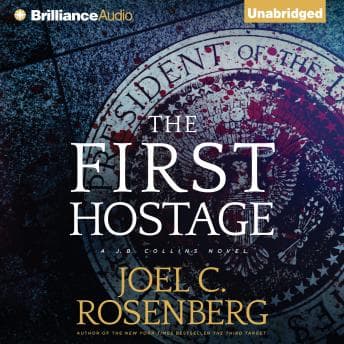
I picked up The First Hostage on a long drive back from a library conference in Salem (yes, librarians have conferences, yes, they're exactly as riveting as you'd imagine). I needed something with enough momentum to keep me alert through the rain and the I-5 monotony, and a premise involving ISIS kidnapping the sitting president seemed like it would do the job. It did. Mostly.
Rosenberg Writes Like He Has Classified Briefings
Here's what separates this from your standard "president in peril" thriller: Rosenberg's geopolitical knowledge feels lived-in, not Wikipedia-adjacent. The Amman, Jordan setting isn't just backdrop — he writes the political dynamics between Israel, Palestine, Jordan, and the U.S. with the kind of specificity that makes you wonder about his sources. The constitutional crisis unfolding back in Washington while the Middle East fractures in real time creates this dual-front tension that genuinely kept me pressing the gas pedal harder than I should've.
But here's where my horror brain kicks in. Rosenberg understands suspense — the chemical weapons threat hanging over every chapter is effective dread-building — but he doesn't fully trust it. Instead of letting the tension simmer, he keeps J.B. Collins bouncing from crisis to crisis like an action movie protagonist who happens to carry a press badge instead of a gun. There were moments, particularly when Collins escapes certain-death situations with suspiciously minimal consequences, where I actually said "oh, come on" out loud in my car. The man survives things that would've killed a horror protagonist three times over. And horror protagonists are already unreasonably durable.
This is book two in the J.B. Collins series, and it has that sequel energy — assumes you're already invested, doesn't waste time re-establishing stakes. That works if you've read the first. If you haven't, you'll spend the opening hour playing catch-up while a fictional Middle East collapses around you.
David De Vries and the First-Person Problem
De Vries is a competent narrator. Clear delivery, solid pacing for the thriller beats, keeps the energy up when the plot demands it. But here's the thing about first-person narration in audio format — it either pulls you completely inside the character's skull or it creates this weird uncanny valley where you're constantly aware someone is performing a journal entry at you. For me, it landed somewhere in between.
The conversational tone works when Collins is in reporter mode — rattling off observations, processing chaos in real time. That felt natural, like listening to a war correspondent's personal recordings. But when the narration shifts into more expository or introspective territory, De Vries's delivery starts reading like someone narrating a particularly intense email. Not bad. Just... present in a way that occasionally tugged me out of the moment.
De Vries maintains consistency across the series, and there's something to be said for that commitment. When a narrator sticks with characters over multiple books, you can feel the familiarity. The reading is professional and engaged. It's just not the kind of performance that vanishes into the material the way the best thriller narrators manage.
The Faith Factor Nobody Mentions
Look, I grew up in a household where the only acceptable thriller was the Book of Revelation. So I notice when a thriller has Christian market roots, and The First Hostage does. Rosenberg doesn't beat you over the head with it — this isn't preachy fiction — but there's a moral framework running underneath the geopolitical chaos that shapes how Collins processes the world and how the narrative resolves tension. If you're coming from the secular thriller lane (Tom Clancy, Brad Thor territory), you'll notice the edges are a little smoother than expected. Violence is present but measured. The worldview is specific.
That's not a criticism. It's context. Know what you're walking into.
Who Gets Taken Hostage by This Book
If you're deep into geopolitical thrillers and want something that treats ISIS as a serious plot engine rather than generic villain shorthand, Rosenberg delivers on that front. The Amman setting, the multi-government chaos, the constitutional questions — that's where this book earns its keep.
If you need your protagonists to actually bleed when they get hit? If you want consequences that stick and nobody wearing plot armor? You're going to spend a fair chunk of these eleven hours questioning J.B. Collins's survival rate. The Fourth Monkey is the antidote to that — a thriller where the damage is real, the body count is permanent, and nobody escapes through the power of narrative convenience.
Filed Under: Decent Drive Companion
Solid political thriller with better-than-average geopolitical homework and a narrator who keeps the engine running even when the plot stretches credibility. Not the kind of listen that keeps you up at night — Shirley (my cat) and I have very specific standards for that — but the kind that makes a long rain-soaked Oregon drive feel shorter. Sometimes that's exactly what you need. My podcast listeners looking for a horror recommendation should keep looking. But if you want a competent thriller that takes its premise seriously even when it can't quite sell its protagonist's invincibility? This'll do.