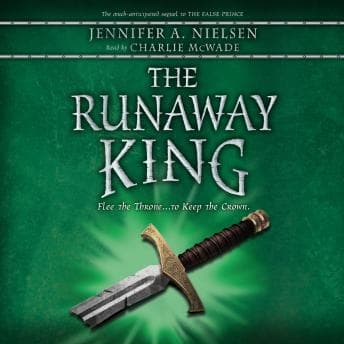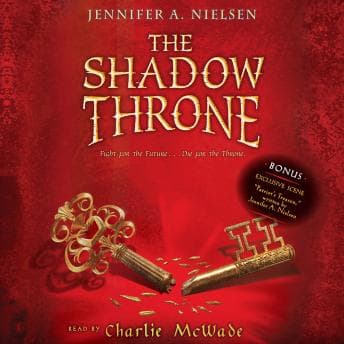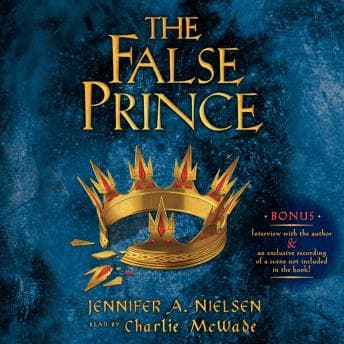

Look, I spend 90% of my life telling teenagers why The Great Gatsby matters. (Spoiler: It's not just about the parties, guys.) So usually, when I put headphones on, I want something dense. Something that makes me feel like I'm using my Master's degree. But my students have been whispering about this book in the back of my 3rd period for years, and eventually, curiosity got the better of me.
I confiscated a paperback copy from a kid named Kevin last week, saw the cover, and decided to download the audio for my commute. You know, for "educational research."
And honestly? I stayed in the car for ten minutes after I got home just to finish a chapter. Denise thought I was on a conference call.
The Voice of a Professional Liar
Here's the thing about first-person narration in YA: it usually annoys the life out of me. It's often too angsty or tries too hard to be cool. But Charlie McWade? He gets it.
He voices Sage—the main character, a street-rat orphan with a mouth that definitely would've gotten him detention in my class—with this perfect mix of snark and vulnerability. It's not a polished, Shakespearean performance. It's scrappy. It fits. Sage is being forced into a competition to impersonate a missing prince, and McWade captures that specific tone of a kid who is terrified but masking it with absolute arrogance.
That same scrappy energy—a protagonist who refuses to be crushed by impossible circumstances—is what made me fall hard for Firekeeper's Daughter.
Is it perfect? No. The accents for the side characters wobble a bit. Sometimes the "noble" accents sound a little like a community theater production of Oliver!. But frankly, I didn't care. The pacing is snappy, and McWade nails the sarcasm. Punctuation is breathless in the right places.
The "Wait, What?" Factor
I teach plot structure. I know foreshadowing. I literally draw diagrams of rising action on a whiteboard every day.
And I still got played.
There's a reveal in this book that relies heavily on how the narrator delivers the lines. If you're reading the physical text, you might catch the visual clues. But in audio? McWade hides the truth in plain sight (or plain sound, I guess). It's a clinic in the unreliable narrator.
(This is why I tell my students that listening is an active skill, not a passive one. You have to hear what isn't being said.)
The story itself is basically Pygmalion meets Game of Thrones, but with fewer dragons and more teenage boys trying not to get murdered by a nobleman who clearly needs a background check. It moves fast. There's no 50-page description of a garden like in Middlemarch. It's just: Plot. Twist. Danger. Snark.
Who's Getting an A (And Who Should Skip Class)
If you want a fast-paced YA fantasy with a narrator who sounds exactly like the character—a defiant, clever, slightly dirty orphan—McWade is your guy. If you're a purist about accents, you might twitch a few times. And if you need Faulkner-level prose to feel satisfied, this isn't your assignment.
Mr. Williams's Final Grade
Is this high literature? No. But it's incredibly fun. It's the kind of audiobook that reminds you stories are supposed to be entertaining.
I might actually give Kevin his book back tomorrow. Maybe. After I finish the sequel.