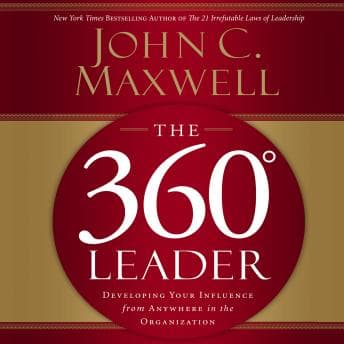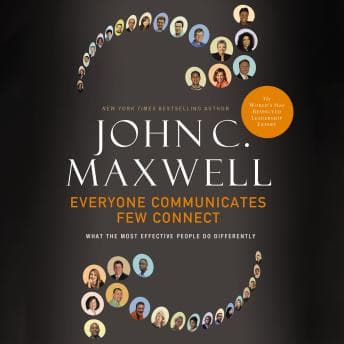

Everyone raves about John Maxwell's books like they're discovering fire for the first time. And look, I get it - the guy's built an empire on leadership content. But here's my honest take after listening to this on a red-eye to Chicago: about 60% of this is genuinely useful. The other 40%? Padding. Stories that go on too long. Anecdotes that could've been cut in half.
But that 60%? Pretty solid.
The Framework That Actually Sticks
Maxwell's five principles for connection - finding common ground, keeping things simple, capturing interest, creating shared experiences, staying authentic - aren't revolutionary. My parents did all of this running their dry cleaning shop in Koreatown. They didn't have a framework. They just knew Mrs. Kim's daughter was getting married and Mr. Hernandez's mother was sick. They remembered. They asked follow-up questions. They connected.
But here's where Maxwell earns his keep: he systematizes what natural connectors do instinctively. For those of us who've spent too many years in corporate environments where genuine connection gets trained out of you - where everything becomes a "strategic stakeholder engagement" - this is actually a helpful reset.
The key takeaway is worth the listen. The other 6 hours? Not so much. Skip chapters 2 and 3 if you're already in a leadership role. He's preaching to the choir there.
Henry O. Arnold Carries the Weight
Maxwell narrates some sections himself, which is fine - he sounds exactly like you'd expect a leadership guru to sound. Warm, measured, slightly pastoral. But Henry O. Arnold handles the bulk of the narration and honestly, he's what makes this listenable at 2.0x speed.
Arnold has this clean, no-nonsense delivery that doesn't get in the way. He's not trying to perform. He's just... communicating. Which, given the subject matter, is kind of perfect. Clear articulation, solid pacing, zero audio issues. The production team did their job.
I've sat through business audiobooks where the narrator sounds like they're reading a legal disclaimer. This isn't that. Arnold keeps the energy up without being annoying - and when you're listening at double speed during a layover at O'Hare, that matters.
What My Clients Actually Need to Hear
Here's where my consulting brain kicks in. I've watched smart founders tank investor meetings because they couldn't connect. They had the numbers. They had the product. They had the market analysis. What they didn't have was the ability to make a room full of VCs actually care.
Maxwell's section on "connecting beyond words" - using energy, presence, the way you show up - that's the stuff I wish I could force-feed to every technical founder I work with. It's not about manipulation or charisma tricks. It's about giving a damn and letting people see it. Stillness is the Key makes a similar point about presence—that real influence comes from authenticity, not performance.
The practical exercises at the end of each section are genuinely useful. I've already adapted two of them for a client workshop next month. That's the ROI test: can I actually use this? In this case, yes.
Where It Drags
Maxwell loves his stories. Loves them. Some are great - the one about the teacher who connected with a struggling student hit harder than I expected (Jenny would say I'm getting soft. Jenny might be right). But others meander. They make the same point three different ways. My 2.0x speed couldn't save some of those sections.
Also - and this is a minor gripe - the book assumes you're trying to connect in person. There's almost nothing about virtual communication, remote teams, or the specific challenges of building connection through a screen. Given when this was written, I get it. But it dates the material.
Who Gets Value Here (And Who Doesn't)
If you're a startup founder, a middle manager trying to level up, or a consultant who spends too much time in spreadsheets (guilty) - there's value here. If you've already read two or three Maxwell books, you're going to recognize a lot of the framework. Skip to chapter 5 if you're short on time. That's where the real application lives.
The Dry Cleaner's Son's Take
This is what my parents did instinctively. Now it has a TED talk. And a book. And an audiobook. And probably a course.
Is it worth seven hours? Honestly, probably not all seven. But the core framework is solid, Arnold's narration is professional without being boring, and if you're someone who's been told you need to "work on your presence" or "connect better with stakeholders" - this gives you actual tools.
It's a solid wheel. Well-constructed. Gets you where you need to go.