
This is not a 40-hour Sanderson epic. It's 44 minutes of flower fairy tales from 1906, and I listened to it while trying to fall asleep after rage-quitting a buggy procedural terrain generator at 2 AM. So let's calibrate expectations here.
Fairy Tales Your Great-Great-Grandmother Read
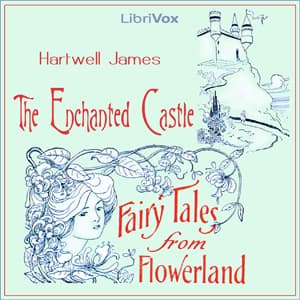
Hartwell James wrote this thing over a century ago, and it reads exactly like that. The Enchanted Castle: Fairy Tales from Flowerland is a collection of origin stories for flowers - why the rose has thorns, why violets are shy, that kind of deal. Think of it as lore entries for a botanical world-building document, except the world is a Victorian garden and the magic system is... vibes? There's no hard magic here. Sanderson would weep. But there's something genuinely charming about the conceit: each flower gets its own little myth, its own backstory, and James treats them with this earnest reverence that you just don't see anymore.
The writing is old-fashioned in that way where every sentence feels like it's wearing a top hat. Lots of "rejoices" and "clothe the earth with beauty" language. If you don't like info-dumps, this isn't for you (but you're wrong). Except here the info-dumps are less "here's how allomancy works" and more "here's why daffodils exist because a fairy got sad once." It's sweet. It's simple. And at 44 minutes, it's basically a single episode of a podcast.
Kalynda and the LibriVox Question
So here's the thing - this is a LibriVox recording, which means volunteer narrator, public domain text, and production values that range from "surprisingly decent" to "recorded inside a tin can." Kalynda's reading is... fine? It's a single narrator doing a straightforward read of prose that doesn't demand heavy character differentiation. There aren't really distinct characters to voice - it's mostly narration about flowers and fairies, not dialogue-heavy scenes where you need Steven Pacey-level vocal gymnastics. (Steven Pacey walked so other narrators could run, but this isn't the kind of book that needs him.)
I genuinely can't find much specific criticism or praise about Kalynda's performance here, and having listened, I get why. It's a clean, calm reading. No weird pronunciation issues that jumped out at me, no audio artifacts that pulled me out. But it's also not a performance that's going to stick in your brain. It's reading, not acting. For a bedtime fairy tale collection aimed at kids, that's... actually kind of what you want? You don't need dramatic tension when explaining why forget-me-nots are called forget-me-nots.
Who This Is Actually For (And Who Should Run)
Let me be real: if you're here because you saw "Enchanted Castle" and thought this was going to be a fantasy adventure with progression systems and maybe a LitRPG stat block or two - buddy, no. This is a children's book from the Edwardian era about flowers having feelings. The "Mystery & Thriller" genre tag on this thing is genuinely baffling. There is zero mystery. There is zero thriller. The most suspenseful moment is when a fairy might not get to name a flower. My D&D group would not love this. The genre tag confusion reminds me of something I ran into with Silent Witness: A Josie Bates Thriller, where at least the thriller label actually delivers on its promise.
But. BUT. If you've got a kid who's into nature, or you're looking for something gentle and short to wind down with, or you just want to hear some old-timey flower folklore while you're drifting off - it does that job. I fell asleep somewhere around the story about the lily and woke up to silence, which is honestly the highest compliment I can give a bedtime listen. It's also free, because LibriVox, so the value proposition is pretty hard to argue with.
The progression is not satisfying in a fantasy sense, because there's no progression. It's vignettes. Little standalone myths strung together by the theme of flowers. Think of it as a short rest in a long campaign - you're not leveling up, you're just recovering a hit die and hearing a nice story around the campfire.
Roll for Naptime
At 44 minutes and free, this is basically a potion of sleep with no side effects. It's not going to change your life. It's not going to make you think differently about fantasy or fairy tales or flowers. But it's a cozy, harmless little listen that does exactly what it says on the tin - tells you some old stories about why flowers are the way they are. I read this instead of writing my thesis, and I don't even feel guilty because it took less time than my coffee break.