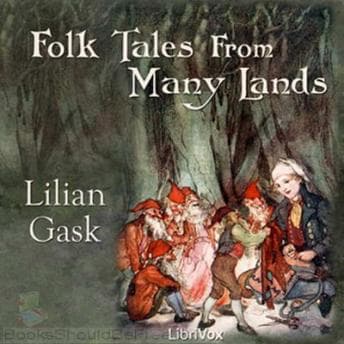

Everyone told me folk tale collections were just bedtime fodder. Background noise for children. Pleasant but forgettable.
They were wrong.
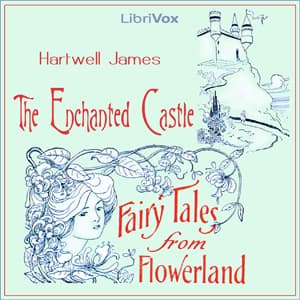
I started Lilian Gask's collection during one of those late-night grading sessions that had stretched past midnight. Denise was asleep, the apartment was quiet except for the radiator's hiss, and I needed something to keep me company while I slogged through another stack of half-hearted essays about The Great Gatsby. I expected ambient pleasantness. What I got was a lesson in narrative economy.
What Hemingway Knew, Gask Knew First
Gask was writing in the early 1900s, pulling from Japanese legends, Norse myths, Indian folklore, Celtic fairy stories—the whole sweep of human storytelling tradition. But here's what struck me, red pen still in hand: she wasn't just collecting. She was translating. Not linguistically. Culturally.
This is what I spend entire semesters trying to teach my juniors. Stories are architecture. These folk tales have survived centuries because their structures are sound. A Japanese tale about honor and sacrifice retains its distinctly Japanese sensibility. A Celtic story about the fair folk carries that particular Irish melancholy I recognize from Joyce. But they speak to each other across the collection.
Song of Achilles does something similar with Greek myth—it keeps the bones of the original while letting something distinctly contemporary breathe through it, and that tension between old material and new sensibility is exactly what makes both worth your time.I've seen plenty of "world folklore" anthologies that sand down every cultural edge until everything tastes like the same bland porridge. Gask doesn't do that. The prose has that Edwardian formality my students would probably mistake for stuffiness. It's not. It's precision.
Kalynda Reads Like Someone Who Actually Respects the Text
The narration here is LibriVox—volunteer production, no frills, no soundtrack, just voice and story. Kalynda reads with a steady, unhurried clarity that serves the material exactly right. She doesn't rush through the poetic passages, which is crucial. Folk tales aren't novels. They're not about plot twists or character arcs. They're about rhythm. About the rise and fall of language that's been polished by centuries of retelling.
Her pacing feels like someone reading aloud by firelight—measured, respectful, aware that pause is punctuation. At 1.0x speed (because the author chose those words), the nearly five hours felt like an evening spent with a patient storyteller rather than a performance.
The production is clean if unadorned. No music, no effects. Just the stories themselves. For this material, that's exactly right.
The Teacher's Soapbox (You Knew It Was Coming)
I've been watching teenagers pretend to read for twenty years. I've seen curricula come and go, watched administrators chase every educational trend, watched students discover and abandon a dozen different ways of consuming stories. But folk tales persist.
They persist because they're the original open-source software of human culture—endlessly remixed, adapted, passed down. Listening to Gask's collection now, you're experiencing layers of interpretation. The original storytellers. The cultures that preserved these tales. Gask's Edwardian sensibility shaping her retellings. Kalynda's voice bringing them into your ears in 2024.
This is why we still read the classics. Not because they're old. Because they're still working.
Who Should Listen (And Who Should Run)
If you need constant plot twists and cliffhangers, look elsewhere. If you're the kind of listener who speeds everything up to 2x because you're "optimizing"—we have fundamentally different philosophies about life, and that's fine, but this collection will frustrate you.
But if you're a parent or teacher looking for material to share with young people? This is gold. If you're interested in comparative mythology without the academic jargon? Perfect entry point. If you just want something beautiful and unhurried to fall asleep to? Kalynda's steady narration won't jolt you awake.
My students would hate this. I love it.
Class Dismissed
At just under five hours, this is a modest commitment. It's free through LibriVox, which means the barrier to entry is exactly zero. Is it a life-changing listen? Probably not. Is it a reminder that humans have been telling each other stories since we figured out language, and that those stories carry wisdom we keep rediscovering? Absolutely.
I finished grading those Gatsby essays somewhere around hour three. Didn't remember a single one the next morning. But I remembered the stories.