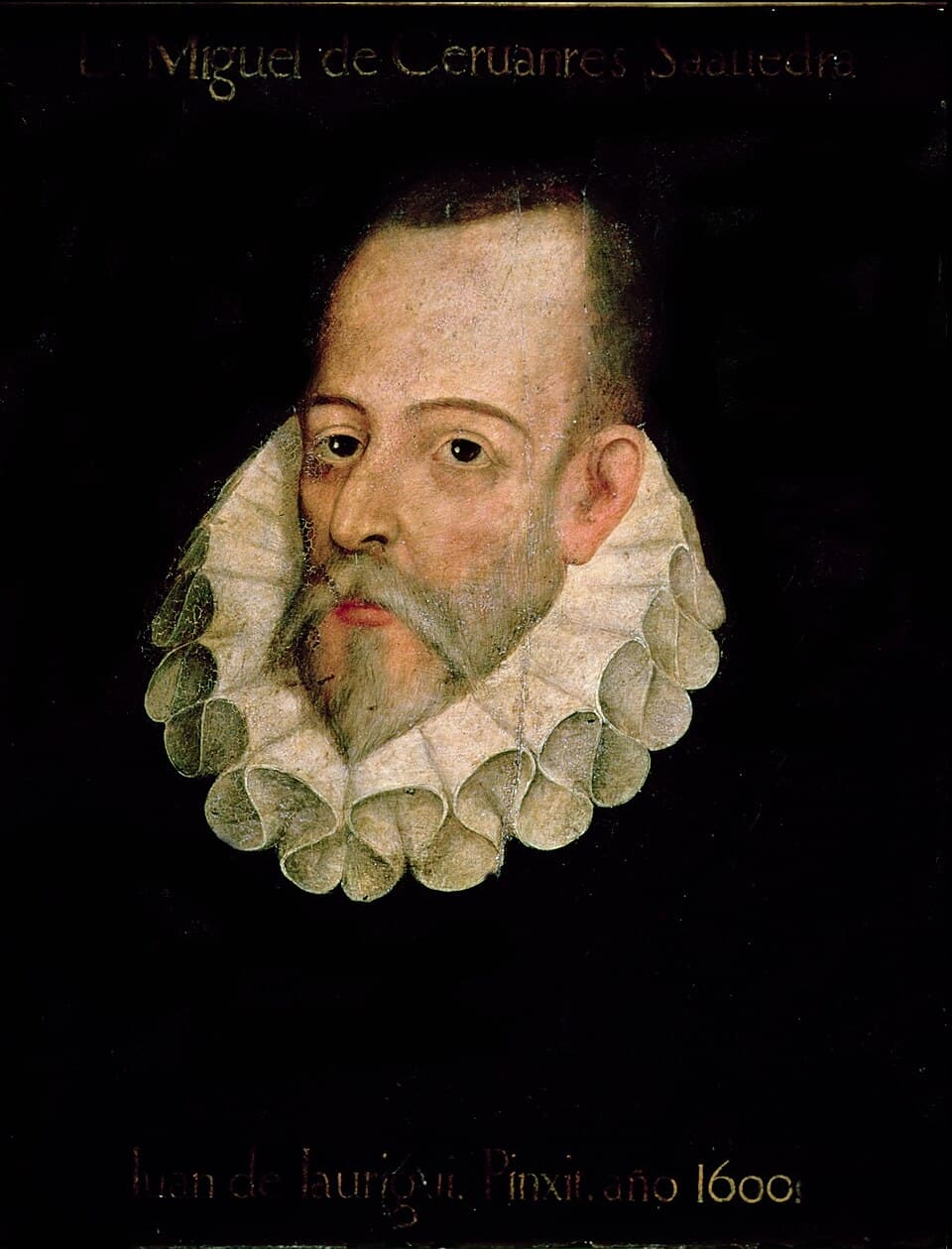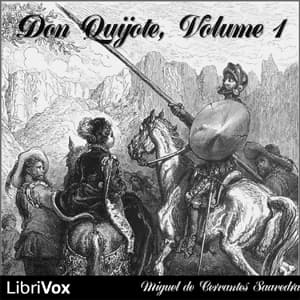

"En un lugar de la Mancha, de cuyo nombre no quiero acordarme..."
That opening line hit somewhere around minute three, and I actually stopped walking. Just stood there on the lakefront path like an idiot while joggers swerved around me. Twenty years teaching literature, and I'd never heard those words in Spanish before. Read them a hundred times, sure. Assigned them to students who definitely didn't read them. But heard them? That's something else entirely.
Denise asked why I was crying at dinner that night. I wasn't crying. I had wind in my eyes. For twenty-one hours.
The Madman Who Made Us All Sane
Here's what Cervantes understood that most modern writers don't: the line between wisdom and foolishness is thinner than we'd like to admit. Don Quijote tilts at windmills, yes - everyone knows that much. But listening to him explain why those windmills are giants, hearing the absolute conviction in his voice? You start to wonder if maybe you're the one who's been seeing things wrong.
This LibriVox production uses various readers, which sounds like a recipe for chaos. And sometimes it is. The transitions between narrators can be jarring - you'll get used to one voice's rhythm, their particular way of handling Cervantes' baroque sentences, and then suddenly someone new takes over. It's like switching teachers mid-semester. Disorienting.
But here's the thing: it works. The rotating voices almost mirror the episodic, picaresque nature of the novel itself. Cervantes was already playing with narrative structure four hundred years ago - unreliable narrators, stories within stories, characters who know they're in a book. Having multiple voices feels accidentally appropriate.
Sancho Panza Deserves His Own Podcast
The narrators who tackle Sancho's dialogue - they get it. His earthy proverbs, his practical wisdom wrapped in peasant speech, the way he simultaneously mocks and adores his master. One narrator in particular (I couldn't tell you which - LibriVox doesn't exactly provide liner notes) captures this perfect balance of exasperation and loyalty. "Voices got stuck in my head even when reading the ebook," one listener said, and I understand exactly what they mean. I started hearing Sancho's voice in my own thoughts.
The pronunciation throughout is genuinely excellent. Spanish names, places, the archaic constructions - they're handled with care. This matters more than you'd think. Nothing pulls you out of 17th-century La Mancha faster than someone butchering "Rocinante."
Those Side Stories, Though
Look. I'm not going to pretend every moment of these twenty-one hours is gold. Cervantes was getting paid by the word - or at least that's what it feels like during the interpolated tales. The pastoral romance that interrupts the main narrative around the middle section? I graded three sets of essays during that stretch. (Sorry, Cervantes. Sorry, students. Everyone suffered equally.)
Some listeners found these digressions maddening. "I got a little impatient with all the side stories," one complained, "felt Cervantes was cramming too much in." They're not wrong. But this is also the first modern novel we're talking about. Cervantes was inventing the form as he went. You can't blame the Wright Brothers for not building a 747.
The pacing demands patience. This isn't a thriller. It's not even really a comedy, though it's often hilarious. It's a meditation on reality and perception disguised as a madman's adventures. The slow burn is the point.
Who Should Saddle Up (And Who Should Stay Home)
This is for you if: you've always meant to read Don Quijote but never got around to it. If you want to understand why this book invented an entire genre. If you're willing to let a 400-year-old story teach you something about your own delusions.
Skip it if: you need constant action. If interpolated tales make you want to throw your phone into traffic. If you're looking for polished, professionally produced audio - this is LibriVox, volunteers reading in their living rooms, and it sounds like it.
Listen at 1.0x. I know, I know - my students think I'm ancient for this take. But Cervantes chose those words. The translators chose their words. The rhythm matters. Sancho's proverbs need space to breathe.
Final Grade
I finished the last chapter during Principal Martinez's quarterly budget presentation. (Martinez, if you're reading this: I heard something about printer cartridges. That's all I've got.)
The ending surprised me. After all the comedy, all the absurdity, there's genuine melancholy in how Part One closes. That unexpected emotional weight reminded me of Tattooist of Auschwitz, where humor and heartbreak exist in the same breath. You realize you've grown attached to this ridiculous old man and his patient squire. You want more of their adventures. You understand why Cervantes wrote a sequel.
This is why we still read the classics. Not because they're assigned, not because they're "important," but because a Spanish soldier four centuries ago understood something true about human nature - about how we construct meaning, about the stories we tell ourselves to survive - and that truth still lands.
My students would hate this. I love it.
Forty-seven podcast listeners and counting. Mom, this one's for you. Try to stay awake.