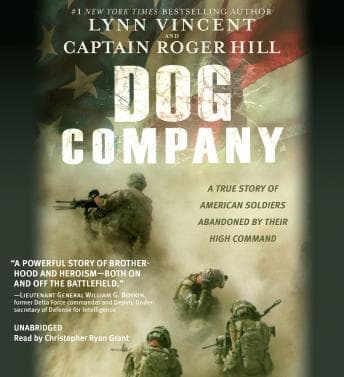

What happens when the Army's own rules become the enemy?
That question kept rattling around my head during the fifteen hours I spent with this book. Drove from Austin to El Paso and back for a client meeting, and I'll tell you—I barely noticed the West Texas nothing because I was too busy getting angry. The good kind of angry. The kind that means someone's telling the truth.
Look, I've seen this scenario play out in real life. The impossible position Captain Roger Hill found himself in—enemy infiltrators on your FOB, your chain of command more worried about optics than your guys coming home alive, lawyers in D.C. making tactical decisions. I watched good officers get crushed by this same machine. So yeah, this one hit different.
When the Details Ring True
Lynn Vincent and Roger Hill did their homework. And I mean they really did it. The small stuff—the way a company commander's relationship with his First Sergeant actually works, the bureaucratic nightmare of detention operations, the particular hell of inheriting a unit that's been through Ramadi. That attention to military detail reminded me of the historical precision in Journey of Crazy Horse: A Lakota History, where Joseph Marshall gets the warrior culture right because he lived it. They got it right here too. No calling magazines "clips." No Hollywood nonsense about lone wolf heroics.
What got me was the portrayal of First Sergeant Tommy Scott. That old-school NCO energy—the guy who can chew you out until you're crying and then somehow make you want to run through a wall for him. I've known Tommy Scotts. Served with Tommy Scotts. The authors captured that dynamic between a young captain and a seasoned first sergeant perfectly. It's a relationship civilians don't really understand, but it's the backbone of how the Army actually functions.
The Wardak Province stuff is brutal. A third of the company becoming casualties in six months. That's not a statistic when you're listening to the names, the circumstances, the aftermath. That's men. And then—then—Hill discovers he's got enemy agents inside the wire. On his own base. And the system that should have his back? Gone.
Christopher Ryan Grant Behind the Mic
Here's where I've got mixed feelings. Grant brings real urgency to the material. He understands the gravity of what he's reading, and he doesn't treat it like some action movie script. The pacing works—he knows when to push through the combat sequences and when to let the quieter moments breathe.
But. (And Ranger looked up when I said this out loud in the truck.) Sometimes Grant goes a little too hard on the emotional beats. There's a fine line between conveying intensity and overselling it, and he crosses it occasionally. Combat veterans don't need the drama dialed to eleven—the facts are dramatic enough. When he backs off and trusts the material, he's excellent. When he pushes, it feels rehearsed.
Character differentiation is solid, though. You can track who's speaking without getting lost, which matters in a book with this many players. His neutral accent keeps the focus where it belongs—on the story, not on him.
The Real Mission of This Book
Let me cut to the chase about what this book is actually doing. It's an indictment. A carefully documented, rage-inducing indictment of how we treated our own people during the War on Terror. The detention policies, the ROE changes, the way commanders got hung out to dry for making impossible calls in impossible situations.
Is it one-sided? Sure. It's Hill's story, told from Hill's perspective. But that doesn't make it wrong. I've read enough after-action reports and sat through enough briefings to know the system Vincent and Hill describe. The lawyered-up Pentagon, the commanders more worried about their next star than their current soldiers. It's real.
The Sean Hannity foreword might turn some folks off. I get it. But don't let that stop you from hearing what these soldiers went through. The politics are secondary to the human cost.
Who This Mission Is For
If you've served, especially in a leadership role, this book will make you nod and curse in equal measure. If you haven't, it's one of the better windows into what we asked of our officers—and how badly we sometimes failed them. Skip it if you want balanced, both-sides analysis of detention policy. This isn't that. This is one company's truth.
At nearly fifteen hours, it's a commitment. I listened at 1.25x because Grant's pacing can drag slightly in the stateside sections—all that paperwork and inspection stuff before deployment. Once they hit Afghanistan, I almost dropped it back to normal speed. Almost.
End of Mission Report
Ranger approved this one. He sat through the whole thing without complaint, which is more than I can say for some of my former lieutenants.
Mission accomplished. Mostly.









![Steve Jobs [unabridged audiobook] audiobook cover](/_next/image?url=https%3A%2F%2Fcovers.audiobooks.com%2Fimages%2Fcovers%2Ffull%2F9788499923406.jpg&w=1920&q=75)