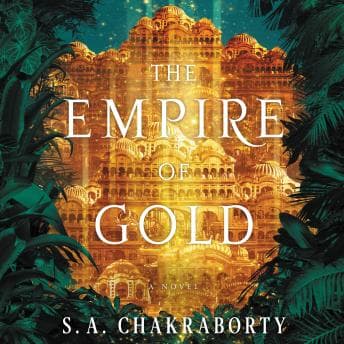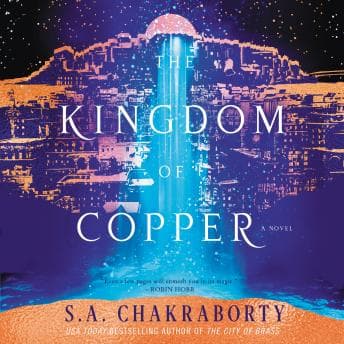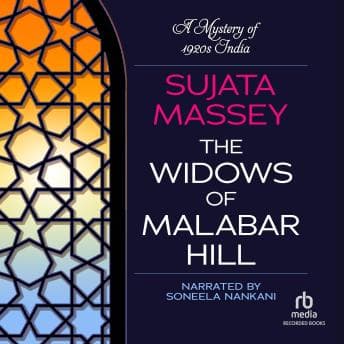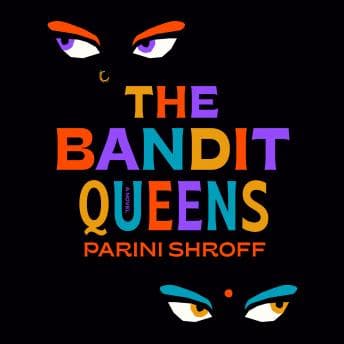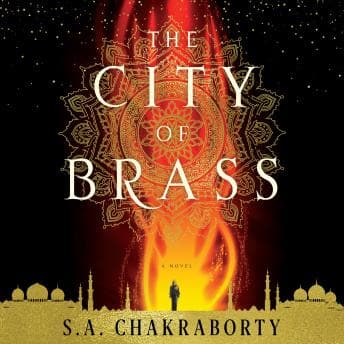

Look, I was supposed to be debugging a procedural generation script for Dr. Patel this week. My thesis defense is looming like a thunderhead, and my mom is leaving voicemails asking if I'm "eating enough vegetables." (I'm not, Mom. Unless pizza sauce counts.)
Instead? I spent 20 hours in 18th-century Cairo and a magical city made of brass. And honestly? No regrets. Zero.
The City of Brass has been sitting in my backlog for ages because usually, when people say "political fantasy," my eyes glaze over. But I needed something long to drown out the sound of my own academic anxiety, and wow. Just... wow.
Not Your Standard D&D Setting
Let's get this out of the way: if you're looking for elves, dwarves, or a tavern brawl in a muddy European village, you're in the wrong zip code. This is Middle Eastern mythology cranked up to eleven. We're talking Djinn, Marid, Ifrit—the stuff I wish my D&D group would let me run if they weren't so obsessed with Curse of Strahd.
Chakraborty's world-building is chef's kiss. It's dense, though. Like, really dense. There were moments around hour six where I felt like I needed a flowchart to keep track of the six Djinn tribes and who hates who. (Spoiler: everyone hates everyone.) But unlike some fantasy authors who dump 50 pages of history on you, this feels... lived in. The politics are messy and brutal. It's not just "Dark Lord vs. Hero." It's "Centuries of sectarian violence vs. A Con Artist Who Just Wants to Get Paid."
Nahri, the main character, is great because she's not a "Chosen One" in the traditional sense—she's a grifter. She starts out swindling Ottoman nobles with fake healing rituals, which is a vibe I aspire to when explaining my research methodology.
When the Voice Matches the Chaos
Okay, let's talk about Soneela Nankani.
I dug into the forums before starting this (because I procrastinate by researching how I'm going to procrastinate), and I saw some people complaining that her voice for Nahri is "whiny" or "too high-pitched."
Here's my hot take: They're wrong. Or at least, they're missing the point.
Nahri is terrified for like 80% of this book. She gets dragged from Cairo to a magical dimension by a moody ancient warrior. If she sounded like a calm, collected NPR host, it wouldn't work. Nankani leans into the panic. She leans into the snark. Is it dramatic? Yes. But it's a fantasy opera, folks. We aren't here for subtlety.
Nankani's accent work is legit, too. She switches between the ancient, gravelly voice of Dara (the moody Djinn warrior) and the idealistic, slightly naive Prince Alizayd without missing a beat. It's not quite Steven Pacey levels of distinction—Steven Pacey walked so others could run—but she creates a soundscape that kept me listening while I was supposedly "working" on my literature review. That same immersive quality pulled me through How to Stop Time, though that one's more contemplative than court intrigue.
The Thesis Avoidance Factor
Here's the thing you need to know: this is a slow burn.
If you need an explosion every ten minutes, you might bounce off this. The middle section is heavy on court intrigue and conversations in gilded rooms. I personally love that stuff—it gives me time to paint my minis while listening—but I know some people want more sword swinging.
But the payoff? The last four hours? Absolute chaos. The progression is satisfying, the magic system has rules (thank god), and the ending isn't a cliffhanger so much as a promise that things are about to get way worse for everyone involved.
Roll for Initiative (Or Don't)
This one's for you if you love dense world-building, morally gray politics, and fantasy that doesn't look like medieval Europe. Skip it if you need constant action or hate keeping track of faction drama—there's a lot of "who betrayed who three centuries ago" energy here.
I should probably go email Dr. Patel now. Or... I could download the sequel. Yeah. The sequel sounds better.