
"If we didn't already have Christmas, we'd find a way to invent it."
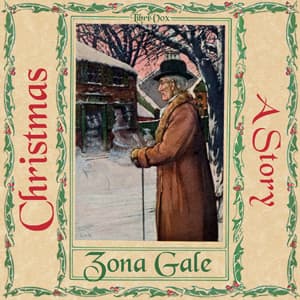
That line hit me somewhere around the two-hour mark, and I had to pause my walk along the lakefront just to sit with it. This is Zona Gale writing in 1912, and she's basically anticipating every modern debate about commercialism versus the "true spirit" of the season. My students would roll their eyes. I found myself getting a little misty. (Don't tell them.)
Here's the setup: Old Trail Town is broke. The factory's closed, nobody has money, and the local merchants - in a move that feels uncomfortably relevant - decide the solution is to just... cancel Christmas. Get everyone to agree not to exchange gifts because they can't afford to carry the credit. It's pragmatic. It's sensible. And of course, it completely misses the point.
What Zona Gale Understood About Small Towns
I teach literature, so I've read my share of sentimental Christmas stories. This one's different. Gale isn't interested in easy redemption or convenient miracles. She's interested in how communities work - how they fracture under economic pressure and how they heal themselves through small, stubborn acts of generosity.
The prose is period-appropriate, which means it moves at a pace my students would call "glacial" and I call "deliberate." Gale lets scenes breathe. She trusts the reader to sit with uncomfortable silences and awkward conversations. This reminds me of what Hemingway said about the dignity of movement of an iceberg - most of the emotional weight is below the surface.
At four hours, it's a quick listen. I finished it across three grading sessions and one very long faculty meeting. (Principal Martinez, I was absolutely paying attention to the budget projections. The part about textbook allocation was riveting.)
Christine Dufour Gets the Assignment
Look, I couldn't find much about Dufour's other work online, but based on this performance? She understands that pause is punctuation. Her pacing matches Gale's prose - unhurried, warm, confident that the story will earn your attention if you give it room.
Her character voices are subtle rather than theatrical. She's not doing full-blown accents or dramatic shifts between characters. Instead, she modulates tone and rhythm in ways that feel natural, almost like she's reading aloud to family by a fire. Which, honestly, is exactly right for this material. A bigger performance would have tipped the whole thing into saccharine territory.
Some listeners might find her delivery a bit slow. I listened at 1.0x because the author chose those words and I choose to hear them properly. But I could see someone bumping it up to 1.25x without losing much.
The Quiet Radicalism of Choosing Joy
What surprised me most was how the story handles its resolution. I won't spoil it, but Gale doesn't give you a wealthy benefactor swooping in or a sudden economic turnaround. The townspeople don't magically find money they didn't have. Instead - and this is the part that stuck with me - they rediscover that Christmas isn't something that can be banned by committee.
There's something almost subversive about that message, especially coming from 1912. The merchants think they control Christmas because they control commerce. They're wrong. The people who have nothing to give find ways to give anyway. It's not about the transaction. It never was.
My wife Denise listened to the last chapter with me. She teaches third grade, so she's basically professionally obligated to love Christmas stories. Even she admitted this one hit different. "It's not trying so hard," she said. And she's right. Gale trusts her material. The sentimentality is earned, not manufactured.
Worth Pausing the Faculty Meeting For
Is this going to blow your mind with plot twists? No. Will it make you rethink the nature of narrative structure? Probably not. But if you're looking for something gentle and genuinely thoughtful to listen to while decorating or wrapping gifts or pretending to pay attention during holiday gatherings, this is it.
It's the kind of story that reminds you why we still read the classics - not because they're important, but because they're true. Zona Gale saw something about human nature that hasn't changed in over a century. We need occasions to be generous. We need permission to hope. And when someone tries to take that away, we find a way to invent it anyway. That same stubborn hope shows up in Love and Respect, though it's working through the mechanics of marriage rather than community.
My 47 podcast listeners are getting a bonus episode about this one. Mom, try to stay awake.