
Look, I'm going to be honest with you. Reviewing the New Testament feels a bit like reviewing oxygen. What am I supposed to say - the Sermon on the Mount has some solid character work? Paul's letters could use a tighter edit? (My students would have a field day with that one.)
But here's the thing. This isn't really a review of the text. You already know if you're coming to this book. What matters - what really matters - is how it sounds in your ears during those 19 hours and 24 minutes.
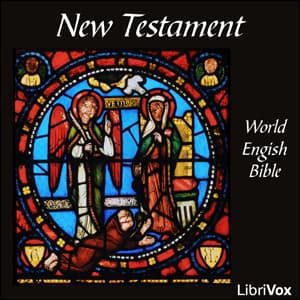
I listened to the World English Bible version with various readers, and I need to set expectations right away. This is a public domain project, not a Hollywood production. No Max McLean. No dramatized cast of famous actors. Just volunteer readers working through a modern English translation that updates the 1901 American Standard Version. And honestly? There's something beautifully appropriate about that.
The Narration: A Mixed Congregation
Multiple narrators means multiple experiences. Some readers bring genuine warmth and clarity - the kind of voice you'd want reading scripture at a wedding or a funeral. Others lean dramatic, almost theatrical, which works brilliantly for Revelation but feels a bit much during, say, the genealogies in Matthew. (Though let's be real, nothing's saving those genealogies.)
The prose deserves to be savored, and most of these readers understand that. The World English Bible translation itself is clean, readable, non-denominational - it doesn't have the poetry of the King James, but it doesn't have the archaic barriers either. It's accessible without being dumbed down. The better readers here use silence the way good actors use stillness. Pause as punctuation.
But I couldn't find detailed credits for individual readers, so I can't tell you "skip to chapter 12 because that narrator is phenomenal." You're getting a potluck, basically. Some dishes are incredible. Some are... fine. A few might be a little over-seasoned. Tales of Terror and Mystery had the same potluck energy—some narrators nailed the atmosphere, others felt like they were reading a grocery list.
Where It Works
The Gospels. Matthew, Mark, Luke, John - these are narrative. Story. This reminds me of what Hemingway said about writing true sentences, except these writers were doing it two thousand years earlier with higher stakes. When the narration is good, you feel the momentum of Jesus moving through Galilee, the tension building toward Jerusalem. The parables land differently when spoken aloud. The Prodigal Son. The Good Samaritan. These were oral traditions first, and hearing them returns something essential.
Acts works beautifully too - it's basically an adventure story. Shipwrecks, prison breaks, courtroom drama. Paul bouncing around the Mediterranean starting churches and getting into trouble. A good narrator can make this feel almost cinematic. The Alchemist has that same quality—a story that feels like it was meant to be spoken around a fire, passed from voice to voice.
Where It Struggles
The epistles are tougher. Paul's letters are dense theological arguments, and even the best narrator can't entirely solve the problem of listening to Romans chapter 9 while walking the lakefront. (Denise caught me rewinding the same section three times last Tuesday. She just laughed.) These sections demand more attention than audiobook listening typically allows.
And yeah, some narrators get a bit over-passionate. There's a line between "emotionally engaged" and "community theater audition," and occasionally someone crosses it. Not a dealbreaker, but noticeable.
The Translation Question
If you're a King James purist, this will feel wrong. The World English Bible doesn't have "the valley of the shadow of death" cadence. It's modern. Clear. Functional. I actually appreciate this for audio - the language doesn't fight you, doesn't make you parse archaic constructions while you're also trying to navigate traffic or grade papers at 11PM. (Principal Martinez, I was definitely paying attention during your email about standardized testing. I wasn't. I was in Corinthians.)
But if you want the majesty, the weight of centuries in the language itself - this isn't that. It's a trade-off.
Who Should Listen (And Who Should Skip)
Christian listeners wanting scripture during commutes or chores - absolutely. This is why audiobooks exist. Twenty hours is a lot, but broken into daily chunks, you can move through the entire New Testament in a month or two of regular listening.
People curious about the text itself, regardless of faith - also yes. If you loved the historical sweep of something like Josephus or even Gibbon's treatment of early Christianity, hearing the primary source material is valuable. This is why we still read the classics. Or in this case, listen to them.
Lit nerds who want to understand Western culture's foundational text - come on in. Half of English literature is responding to this book. You can't fully understand Milton, Dostoevsky, Flannery O'Connor, Marilynne Robinson without it.
Skip this if you need professional-grade production with consistent narration throughout. The dramatized versions with full casts exist and might serve you better. This is a public domain volunteer project - excellent for free, but free comes with asterisks. Same goes if you're looking for scholarly apparatus, chapter annotations, historical context - this is just the text. No commentary. No footnotes. Just scripture, spoken.
Final Thought
My students would probably hate that I spent 19 hours on this. I loved it. Not every minute - some sections dragged, some narrators didn't land - but the experience of hearing these words spoken aloud, the way they were meant to be heard originally, returns something that silent reading loses.
Worth pausing the faculty meeting for. Worth the lakefront walks. Worth the late nights grading papers with ancient words in my ears, reminding me why stories matter.
Just maybe keep your finger near the rewind button for Romans.