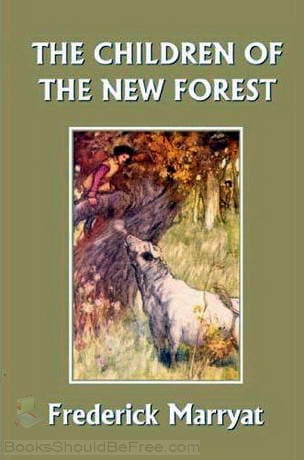

Marryat wrote this in 1847, and you can feel every single one of those years pressing against your modern sensibilities.
I started this one during a particularly brutal week of parent-teacher conferences—you know the kind where you smile so much your face hurts and every parent wants to know why their child got a B+ instead of an A. I needed something to walk home with, something that would reset my brain. And here's the thing about Children of the New Forest: it did exactly that, though not always in the ways I expected.
When Victorian Morality Meets Civil War Survival
The premise is genuinely compelling. Four aristocratic children—the Beverleys—lose their Cavalier father at Naseby, watch their home burn, and must reinvent themselves as common forest folk under the protection of a gruff gamekeeper named Jacob Armitage. (The book calls him Joseph in some editions, which tells you something about the text's publishing history.) Edward, the eldest at fourteen, essentially becomes a man overnight. His sisters and younger brother must shed their noble expectations and learn to trap, hunt, and farm.
This is why we still read the classics—not because they're comfortable, but because they show us how people actually thought. Marryat doesn't apologize for his era's values. The children are taught that labor is ennobling, that loyalty to the Crown is paramount, and that a young man's worth is measured by his ability to provide. My students would hate this. I love it. Not because I agree with every sentiment, but because the book is honest about its worldview in a way modern fiction often isn't.
The problem is that Marryat was a Navy man first and a novelist second. He describes things the way a captain logs a voyage—thoroughly, methodically, and without much concern for whether you're still awake. There are passages about forest management and livestock breeding that read like agricultural textbooks. I found myself pausing during a particularly detailed explanation of how to properly cure bacon and thinking, "Frederick, my friend, I believe you." You don't need to prove it.
The Narrator Situation—A Mixed Blessing
This is a "Various" narrator production, which in audiobook terms usually means either a full-cast triumph or a logistical compromise. Here it's somewhere in between. The multiple voices do help distinguish the children from the adults, and there's a certain charm to hearing different interpretations of Marryat's prose. But I couldn't find specifics on who's reading what, and the transitions between narrators aren't always elegant.
What I can tell you is that the prose deserves to be savored at 1.0x speed. Marryat's sentences have a formal rhythm that gets lost if you speed through them. His dialogue is theatrical in the best sense—characters announce their intentions, declare their loyalties, make speeches. It's not naturalistic, but it's not trying to be. A good narrator could make this sing. The narration here is... adequate. It conveys the story without elevating it.
At nearly eleven hours, this is a commitment. The pacing drags in the middle sections—there's a stretch where the children are simply living their forest life, learning skills, growing vegetables, and the narrative tension goes slack. I caught myself grading papers during these parts, which is my personal test for whether an audiobook is holding my attention. (Denise says I should just admit I'm not paying attention. She's usually right.)
The Ethics Question—And Why It Misses the Point
Some modern reviews criticize this book for its values—the gender roles, the class assumptions, the unquestioned royalism. And look, I get it. Edward's sisters are largely defined by their domestic contributions while he gets to have adventures. The Roundheads are villains because they're Roundheads. There's a casual acceptance of hierarchy that feels foreign.
But this reminds me of what Hemingway said about judging a book by the standards of its time. Marryat wasn't writing a progressive manifesto. He was writing an adventure story for Victorian children that taught them about the English Civil War while celebrating resilience and family loyalty. On those terms, it succeeds. The Beverley children are resourceful, brave, and genuinely fond of each other. Their transformation from helpless aristocrats to capable forest dwellers is earned.
If you loved Kidnapped or Doyle's historical adventures, this is their spiritual predecessor. Golden Lion carries that same DNA—historical adventure that doesn't apologize for being earnest about courage and loyalty. It's the template for a certain kind of young adult historical fiction that barely exists anymore.
Who Should Venture Into the Forest
This is for readers who enjoy Victorian prose and don't mind a book that teaches while it entertains. Homeschool parents looking for historical fiction with clear moral lessons will find plenty here. Anglophiles interested in the Civil War period will appreciate the period detail, even when it's excessive.
Skip it if you need constant action, if Victorian pacing makes you reach for the 2x button, or if you can't separate a book's historical context from your own values. Also skip if you need stellar narration—this production is functional, not memorable.
Worth Pausing the Faculty Meeting For?
Not quite. But worth a Sunday afternoon walk along the lakefront, letting Marryat's formal prose wash over you while the city noise fades. It's a book about children learning to survive by becoming useful, about family bonds tested by war, about the strange peace that comes from honest labor. The audiobook doesn't do it any favors, but it doesn't ruin it either. A library checkout, not a credit spend.