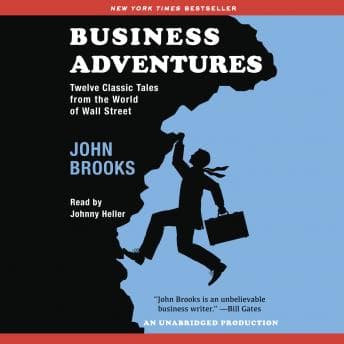

Look, I'll be honest - when I heard Bill Gates called this his favorite business book of all time, I was skeptical. Gates recommends a lot of books. But sixteen hours later, driving back from a client site in Houston, I get it. John Brooks wrote these pieces for The New Yorker back in the '60s and '70s, and somehow they feel like they could've been published last week.
Why These Stories Still Matter
Here's what got me: the Edsel chapter. Ford poured $350 million into a car that became synonymous with failure. Brooks doesn't just tell you it flopped - he walks you through the boardroom decisions, the marketing hubris, the moment when everyone realized the ship was sinking but nobody wanted to say it out loud. I've sat in those rooms. Different industry, different stakes, but the same human dynamics. Talking to Strangers digs into those same patterns - how we misread each other when the stakes are high. People protecting their careers instead of speaking truth to power.
The Texas Gulf Sulphur insider trading scandal? That's basically a blueprint for every corporate ethics violation I've seen in my consulting work. Different decade, same playbook. Brooks had this gift for turning complex financial maneuvering into something you actually want to follow. Not easy when you're talking about stock options and geological surveys.
Johnny Heller's Newscaster Delivery
Heller narrates this like he's reading the evening news - measured, clear, professional. Some folks might want more dramatic flair, but honestly? It works here. These are journalistic pieces, not thrillers. You don't need somebody hamming it up when Brooks's writing is already doing the heavy lifting.
The man's got good pacing. Seventeen hours is a commitment, and I never felt like I was slogging through it. Even the denser sections on currency trading and the attempt to save the British pound - stuff that could put you to sleep - Heller keeps moving. He's got that "Golden Voice" designation from AudioFile Magazine, and yeah, I can hear why. Clean, no stumbles, no weird pronunciations on the financial terminology.
If you want theatrical, though? This isn't it. Heller doesn't do character voices or dramatic pauses. It's straight delivery, front to back. For business journalism, that's exactly what I want. For fiction? Different story.
The Intelligence Factor
Brooks doesn't dumb anything down. He assumes you can follow along when he's explaining how Xerox revolutionized document copying or why the 1962 market crash happened. I appreciated that. Too many business books treat you like you've never heard of compound interest.
But here's the thing - it's dense. I had to rewind a few sections, especially during the Piggly Wiggly stock corner story. (Yes, that's a real company, and yes, there was a hostile takeover attempt in the 1920s. Wild stuff.) If you're half-listening while doing something else, you'll miss things. This one demands attention.
Ranger fell asleep during the Federal Reserve chapter. Can't blame him. But I was locked in - the parallels to modern monetary policy debates are striking. These bankers in 1964 were dealing with the same fundamental tensions we see today. History doesn't repeat, but it sure does rhyme.
The Mission Assessment
Worth your time? Here's the debrief: if you're in business, finance, consulting, or just interested in how corporations actually work behind the press releases, this is essential listening. Brooks was doing what we'd now call "narrative nonfiction" before that was a marketing category. He made Wall Street human.
The twelve stories aren't all equally compelling - I found the income tax chapter less gripping than the corporate scandals - but there's not a dud in the bunch. And at almost seventeen hours, you're getting serious value.
I listened at 1.25x, my standard. Heller's pacing is steady enough that you can bump it up without losing clarity. At normal speed, it might drag in spots.
One note: this book was written in the '60s. Some of the cultural references and assumptions reflect that era. Brooks wasn't writing for 2024 sensibilities. If that bothers you, fair warning.
SITREP
Mission accomplished. This is financial journalism at its best - the kind of writing that makes you smarter about how the world actually works. Johnny Heller delivers it clean and professional. Not flashy, but exactly right for the material.
Who should listen: anyone in business, finance, or consulting who wants to understand why corporations make the decisions they do - the good, the catastrophic, and the absurd. Who should skip: if you need a quick, light listen or can't commit focused attention, this isn't your mission. Gates was right on this one.







![Steve Jobs [unabridged audiobook] audiobook cover](/_next/image?url=https%3A%2F%2Fcovers.audiobooks.com%2Fimages%2Fcovers%2Ffull%2F9788499923406.jpg&w=1920&q=75)