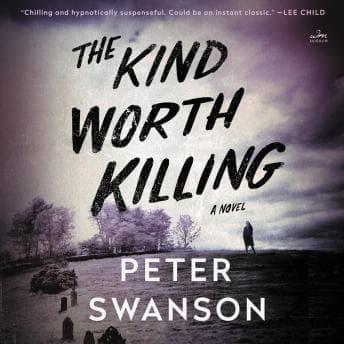

Look, I finished this at 1 AM with every light in my apartment blazing. Shirley was giving me that look—you know the one, the 'you're being dramatic' cat stare—but I don't care. Peter Swanson understands something that most thriller writers miss: the scariest monsters aren't supernatural. They're charming. They sit next to you on airplanes. They offer to help you commit murder over martinis.
This book grabbed me by the throat in the first chapter and didn't let go.
When Strangers on a Train Gets a Dark Makeover
The Highsmith comparison isn't just marketing fluff. Swanson takes that classic setup—strangers, a murder pact, escalating consequences—and twists it into something nastier. Ted meets Lily on a flight from London. He's rich, bored, convinced his wife is cheating. She's beautiful, mysterious, and way too calm when she offers to help him kill Miranda.
Here's where it gets good. The story doesn't stay in Ted's perspective. We shift between characters, and each shift peels back another layer of 'oh no.' Lily has a past. A very specific, very bloody past. And Swanson reveals it at exactly the right pace—not so slow you get frustrated, not so fast you lose the dread.
My podcast listeners know I'm picky about this. Horror and thriller pacing is an art. Rush it and you lose tension. Drag it and you lose interest. Swanson nails it. Ten hours felt like four.
Four Narrators, Zero Chaos
Multiple narrators can go wrong in about a thousand ways. I've listened to audiobooks where the perspective shifts give me whiplash, where one narrator's interpretation of a shared character sounds nothing like another's. It's jarring. It pulls you out.
Not here. Johnny Heller, Karen White, Kathleen Early, and Keith Szarabajka somehow make this work. The transitions are smooth. Each narrator owns their character completely, and when their storylines intersect, it doesn't feel like four separate books stitched together.
Karen White as Lily? Chilling. She gets that Lily isn't a monster who sounds like a monster. She sounds reasonable. Measured. That's what makes her terrifying. The calm delivery when discussing murder like it's a minor inconvenience—Shirley Jackson would approve.
Now, I've seen some listeners complain about Johnny Heller's Ted. I get it. Ted's kind of... pathetic? But I think that's the point. He's not a mastermind. He's a guy in over his head, and Heller plays that bumbling quality in a way that made me both pity him and want to shake him. (Dude. Read the room. She's literally telling you she's killed before.)
One criticism: there's a pronunciation quirk in Lily's sections that pulled me out occasionally. Nothing deal-breaking, but noticeable.
The Ending That'll Divide Your Book Club
I'm not going to spoil it. But I will say this: the ending is not neat. It's not satisfying in the traditional sense. Some listeners hate this. I kind of loved it?
Real horror—real dread—doesn't wrap up with a bow. Sycamore Row does something similar—it trusts you to sit with the messiness instead of forcing closure. Swanson commits to the darkness he's built. The detective subplot adds tension without becoming the whole story. And the final reveals land because Swanson has been laying groundwork since page one.
Is it the next Gone Girl? Honestly, I think it's doing something different. Gone Girl is a puzzle box. This is more of a slow-motion car crash. You see it coming. You can't look away.
Who Needs This in Their Ears (And Who Should Run)
Psychological thriller fans, this is your jam. If you like unreliable narrators, morally bankrupt protagonists, and that creeping sense that everyone in the story is hiding something awful—you're home. Skip if you need likable characters or tidy resolutions. This isn't that book.
Content warning: violence, some sexual content, and the kind of casual amorality that'll make you side-eye your seatmate on your next flight.
Shirley's Final Judgment
I listened in the dark. Mistake? Maybe. Worth it? Absolutely. My next podcast episode is definitely covering this one.