
I have a complicated relationship with hospital thrillers. On one hand, it's my turf. On the other, if I hear one more author mess up a simple sedative dosage, I'm going to scream. Broken Prey takes us into the Minnesota Security Hospital, and let me tell you—this is the kind of stuff that keeps me up even after a twelve-hour shift at the trauma center.
My mom always wanted me to be a doctor so I could "save people properly." I tell her nurses save people while doctors are still looking for their stethoscopes. But watching (well, listening to) Lucas Davenport navigate a secure ward full of serial killers? Yeah, I'm good with my ER. I don't need that kind of stress.
The Voice That Smells Like Cigarettes and Rain
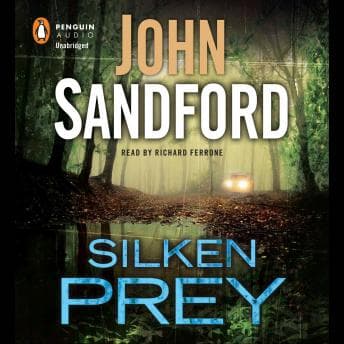
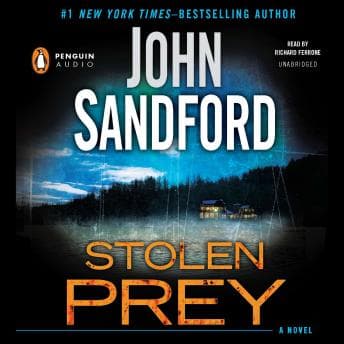
Richard Ferrone is... an experience. If you haven't listened to him before, brace yourself. He brings that same gravelly intensity to Night Prey, another Davenport case that'll keep you glued to your commute. The man sounds like he's narrating from a dark alley while wearing a trench coat. Deep, gravelly, undeniably noir. (Seriously, does he gargle with gravel?)
For a character like Lucas Davenport? It's perfect. Davenport isn't a sunshine-and-rainbows cop; he's gritty. Ferrone captures that specific brand of world-weariness that I see on the faces of the trauma surgeons at 4 AM when the coffee runs out. But—and there is a big but—he takes his sweet time. There were moments on the I-10 where I wanted to yell at my dashboard, "Spit it out, Richard! I'm almost home!"
I ended up bumping the speed to 1.25x just to keep the adrenaline matching my drive. If you're looking for a narrator who races through the plot, this isn't it. He savors the darkness a little too much. But once you adjust to the rhythm? It's hypnotic.
When the Psych Ward Gets Too Real
The plot revolves around the "Big Three"—three serial killers locked up in the psych facility. As someone who has had to help restrain patients in a psych hold, the tension here felt heavy. Real heavy. Sandford does a decent job with the procedural stuff (thankfully), but it's the psychological games that got me.
There's a copycat killer loose, mimicking these inmates. The idea that someone on the outside is playing games with the monsters on the inside? Terrifying. It felt messy and chaotic in the way real crime scenes are. I didn't find myself rolling my eyes at the medical details too often, which is high praise coming from me. Mind Prey earned the same grudging respect—Sandford clearly does his homework on the procedural stuff. Usually, I'm yelling at the stereo about HIPAA violations or impossible recovery times. Here, I was just gripping the steering wheel a little tighter.
Who's This For (And Who Should Run)
If you want dark procedural crime with psychological teeth and you've got patience for a slower narrator, this one's for you. Skip it if you need fast pacing or can't handle graphic violence—this isn't cozy mystery territory. And maybe don't start it right before bed.
Clocking Out on This One
This book is dark. Like, seriously dark. It's not the kind of thing you listen to while baking cookies with the kids. (Carlos asked why I looked so grim when I walked in the door. I told him it was traffic. It wasn't traffic.)
It's perfect for that post-shift decompression when you need to be reminded that as bad as your night was, at least you aren't hunting a serial killer in Minnesota. Ferrone's performance is solid if you have the patience for his pacing. It got me home, kept me awake, and didn't make me angry with bad medicine. That's a win in my book. Just maybe check the locks twice.