
Who knew I'd spend my precious toddler nap time learning about ancient Celtic fire festivals? Honestly, not me. But here we are.
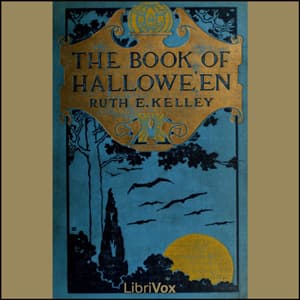
I grabbed this one because Emma's been asking questions about why we carve pumpkins and I figured - hey, maybe I can sound like a smart mom for once instead of just saying "because it's spooky, sweetie." And look, this book delivered way more than I expected. Ruth Edna Kelley wrote this thing back in 1919, and it's basically a deep dive into where all our Halloween traditions actually come from. The Druids, the Romans, how it mixed with Christian holidays, why we bob for apples - all of it.
When History Class Actually Gets Interesting
Okay so here's the thing. This isn't a story. There's no plot, no characters to follow, no mystery to solve. It's basically a really well-researched essay about Halloween's origins, with poetry and old prose woven throughout. And normally? That would be a hard pass for me. I need stories that survive 47 interruptions, remember?
But at under three hours, this was perfect for a week of school drop-offs. I could listen to a section about May Day traditions, park the car, wrestle Sophie out of her car seat, and pick it back up the next morning without feeling completely lost. The chapters are pretty self-contained, which - bless. That's exactly what I needed.
The content itself is genuinely fascinating if you're into the "why do we do this weird thing" rabbit holes. I had no idea Halloween absorbed so many traditions from other holidays. Midsummer festivals, Christmas customs, harvest celebrations - they all kind of melted together over centuries. Emma's getting a full history lesson whether she wants one or not.
Sibella Denton's Gentle Approach
Sibella Denton has this soothing, almost grandmotherly quality to her reading. It's calm. Measured. Perfect for historical content that could easily feel like a textbook if someone read it wrong.
That said - and I'm just being honest here - the pacing can feel a bit slow. Some reviewers mentioned her delivery gets a little monotonous in places, and yeah, I can see that. There were moments during the poetry sections where I zoned out a bit. I had the opposite problem with Firekeeper's Daughter—that one had me so locked in I forgot about lunch entirely. But I was also trying to remember if I packed Lucas's lunch, so maybe that's on me.
The production quality is decent but not perfect. I caught a few moments where the audio got slightly fuzzy, and some transitions felt a little abrupt. Nothing that ruined the experience, but you can tell this isn't a big-budget production. It's fine. We're learning about Druids, not expecting Hollywood.
Who Should Listen (And Who Should Skip)
Here's who should grab this: parents who want to actually understand the holidays they're celebrating. Teachers. Anyone planning a Halloween party who wants to sound impressively knowledgeable. It's short, it's educational, and it's the kind of thing you can listen to while folding laundry without needing to rewind every five minutes.
Who should skip it? If you want a story - like an actual narrative with tension and resolution - this isn't it. It's scholarly. Interesting scholarly, but still scholarly. My book club would probably fall asleep (if I ever have time for book club again).
I listened at 1.25x and honestly could've gone faster. The content is dense enough that speeding it up didn't hurt comprehension, and it helped push through some of the slower poetry readings.
Not groundbreaking, but sometimes you don't need groundbreaking. Sometimes you just need to understand why your seven-year-old is demanding you light a bonfire and jump over it. (Apparently that's a thing? The Celts were intense.)
Survived 47 pauses and still made sense. Car time approved.