
I was sitting in the kitchen last Sunday morning, coffee going cold, Denise at church early for choir rehearsal, and I had exactly sixteen minutes before I needed to leave. Sixteen minutes. That's the entire Book of Ruth in the ASV, narrated by Sam Stinson. I pressed play thinking I'd just sample it. I stayed for the whole thing and was late to nothing because - well, sixteen minutes. That's the beauty and the challenge of this particular audiobook.
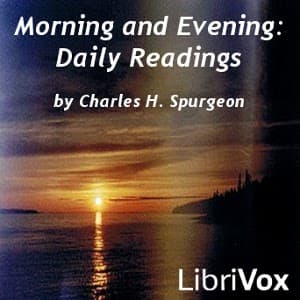
Let me be honest about what this is and isn't. This is a LibriVox recording of the American Standard Version's Book of Ruth. Four chapters. No music, no sound design, no dramatic pauses scored to strings. Just a man reading scripture aloud. And I think that's exactly right for this text.
The Prose Deserves to Be Heard at 1901 Speed
The ASV is a fascinating translation to listen to rather than read. Published in 1901, it sits in this strange linguistic middle ground - more literal than the King James, less conversational than modern translations, with this slightly stiff formality that actually works beautifully when spoken aloud. Lines like "Entreat me not to leave thee, and to return from following after thee" carry a weight in the ASV that the NIV smooths away. The thee's and thou's aren't decoration here. They're doing work, marking intimacy, marking covenant language.
Stinson reads it straight. No theatrics. No attempt to voice Ruth differently from Naomi or Boaz differently from the unnamed kinsman at the gate. And I went back and forth on whether that bothered me. With fiction, I'd want distinct characterization. But there's something about biblical text read in a single, steady voice that feels like - and I realize how this sounds coming from a guy who teaches novels for a living - it feels like the text is being presented rather than performed. The words are allowed to stand.
That said, I noticed Stinson's pacing doesn't shift much between the grief of chapter one (three deaths in the span of a few verses, which is brutal if you actually slow down and think about it) and the almost romantic comedy mechanics of chapter three, where Naomi is basically coaching Ruth through an ancient Israelite version of a meet-cute at the threshing floor. A narrator who understood that pause is punctuation might have given us a beat after "and Mahlon and Chilion died also, both of them" - just a breath to let that land. Instead it moves forward at the same measured clip.
Why an English Teacher Keeps Coming Back to Ruth
I teach my students about narrative economy. How Hemingway could break your heart in six words. Ruth does it in four chapters. You get famine, migration, death, loyalty, survival, romance, legal drama, and a genealogy that connects a Moabite widow to King David - all in the time it takes to microwave leftovers.
This reminds me of what Hemingway said about prose being architecture, not interior decoration. Ruth has zero fat on it. Every scene does double duty. The gleaning scene isn't just Ruth gathering barley - it's establishing Boaz's character through his treatment of a foreign woman. The threshing floor scene isn't just romantic tension - it's a legal claim wrapped in vulnerability. My students would hate this. I love it. (Okay, some of my students might actually like this one. It's short enough to hold their attention, and there's genuine suspense about whether the closer kinsman will claim Ruth first.)
The thing that hit me differently this time - and I've read Ruth probably thirty times over the years, taught it in my World Literature unit - is how radical the loyalty is. Ruth choosing Naomi over her own homeland, her own gods, her own chances at remarriage in Moab. "Where you go I will go" gets quoted at weddings constantly, but it's not a romantic statement. It's a daughter-in-law choosing poverty and foreignness out of pure devotion to a bitter old woman who tells her to leave. That's harder than romance.
Sixteen Minutes Well Spent, With Caveats
At sixteen minutes, this barely qualifies as an audiobook experience. It's more like a single podcast episode. And the production is bare-bones LibriVox - clean enough audio, no glaring technical issues, but nothing polished either. Stinson's recording quality is consistent, no obvious room noise or level changes between chapters, which puts it above some volunteer recordings I've encountered.
Who should listen: Anyone who wants to experience one of the most perfectly structured short narratives in Western literature without committing an afternoon. Working for God scratched a similar itch for me — compact, spiritually grounded, and the kind of thing you can sit with on a Sunday morning without needing to clear your whole schedule. Teachers looking for a compact text about loyalty, immigration, and chosen family. People curious about how the ASV sounds versus translations they already know. Also, honestly? Anyone who's never read Ruth and assumes the Bible is all begats and smiting.
Who should skip: If you want dramatic interpretation, multiple voices, or production values - look for a full-cast Bible dramatization instead. This is a straight read, and it knows what it is.
I listened at 1.0x because the author chose those words. Well - the 1901 translators chose those words, interpreting what the original Hebrew chose. Layers upon layers. Sixteen minutes. Worth pausing the faculty meeting for.