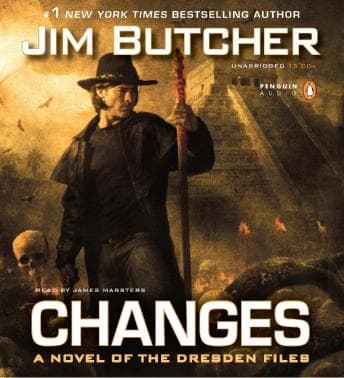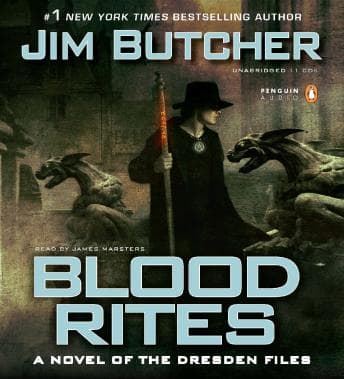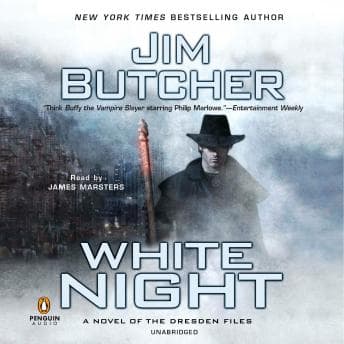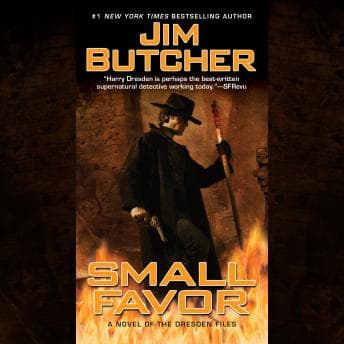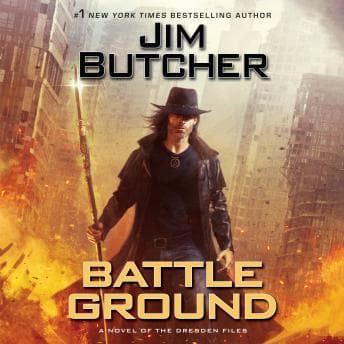

Let me cut to the chase: Battle Ground is 15 hours of urban warfare, and I mean that literally. This isn't a mystery with some action beats. This is Dresden's D-Day.
I've been through three combat deployments, and I can tell you - Butcher gets the chaos right. The fog of war. The impossible decisions. The way time stretches and compresses when everything's going sideways. Harry Dresden isn't storming a beach, but he might as well be. A Titan - an actual Greek mythology Titan - has declared war on Chicago, and what follows is essentially one long, brutal engagement.
The Voice in My Head (For 17 Books Now)
James Marsters IS Harry Dresden. I've said this before about narrator-character pairings, but this one's different. After 17 books, Marsters doesn't just read the character - he inhabits him. The sarcasm, the exhaustion, the moments where Harry's voice cracks because he's watching friends die? Spot on.
Here's what separates good military narration from great: it's not about the explosions. It's about the quiet moments between them. Marsters nails both. When Dresden's cracking wise while the world burns around him (and trust me, it literally burns), there's this undercurrent of desperation in his delivery. He knows - we all know - that the jokes are armor. Ranger perked up during a few of the heavier scenes. Even he could tell something was different.
The character voices remain consistent across nearly two decades of audiobooks. That's not nothing. I've listened to series where narrators forget what a character sounds like between books. Not here.
This Is Where It Gets Heavy
Fair warning: people die. Important people. Characters you've known for years. Butcher doesn't pull punches, and neither does Marsters. There's a scene - I won't spoil it - where Dresden loses someone, and I had to pull over. Not because the writing was particularly beautiful (it wasn't trying to be), but because Marsters delivered it like a man who'd actually lost someone. Raw. Unpolished.
The battle sequences themselves are relentless. And I mean that in both the good and frustrating sense. This book is essentially one continuous fight with brief pauses to reload. If you're looking for the detective mystery elements that define earlier Dresden books, you won't find them here. This is pure tactical engagement - alliances shifting, resources depleting, casualties mounting.
Did it drag in places? Honestly, yeah. Around the 10-hour mark, I felt the fatigue that Dresden was feeling. Whether that's intentional or not, I can't say. But there's only so many ways to describe magical combat before it starts blending together.
Who's This Mission For?
If you've invested in the Dresden Files - and by this point, that's a significant investment - this is essential listening. It's the payoff for years of setup. Plot threads from books 3, 7, 12 all converge here. But if you haven't read the series? Do not start here. I cannot stress this enough. You'll be completely lost, like dropping into a firefight without a briefing. Skip this one until you've done the groundwork.
The production quality is clean - no complaints there. I listened at my usual 1.25x, and Marsters' delivery held up fine. His pacing is deliberate enough that the speed bump doesn't lose any emotional weight.
I've seen this scenario play out in real life - the long fight where you're just trying to survive until dawn. Butcher captures something true about that experience. The way heroism and horror blur together. The impossible math of triage. The guilt of surviving when others don't. Nowhere to Run captured that same brutal arithmetic—different battlefield, same weight.
Mission Complete
Mission accomplished, but not without cost. That's Battle Ground in a sentence.
Ranger approved this one. Though he did give me a look during the quieter moments - the dog knows when something's hitting different.