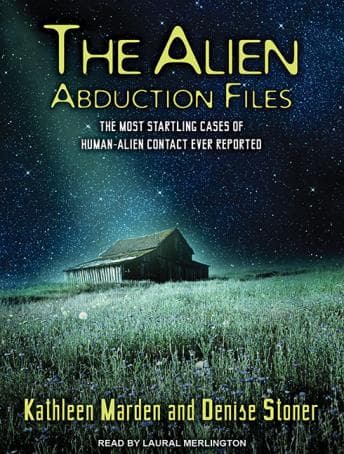

"The messages conveyed by the ETs to abduction experiencers." That's literally listed as a selling point. And look, I listened to this whole thing - all 8 hours and 22 minutes - because sometimes you need to understand what's happening in adjacent markets. The UFO disclosure stuff is having a moment. Congressional hearings, Pentagon reports, the whole thing. So when a client in the experiential tourism space asked about the "phenomenon economy," I figured I should do my homework.
I regret nothing and everything simultaneously.
The Business Case for Believing (Or At Least Listening)
Here's what surprised me: this isn't some rambling conspiracy screed. Denise Stoner and Kathleen Marden - and Marden is Betty Hill's niece, which is basically UFO royalty if you know that world - approach this like case study documentation. Two women, parallel experiences, thousands of miles apart, detailed descriptions of procedures and craft interiors. It's structured. It's methodical. It's... professional?
And that's both its strength and its fatal flaw.
My parents ran a dry cleaning business for 30 years. They documented everything. Every complaint, every lost item, every weird stain explanation from customers who definitely weren't telling the truth. They had binders. Systems. But they also knew when to cut to the chase. "Mrs. Kim says wine, but this is blood. We charge extra." Done.
This book? It's all binders, no punchline. The authors repeat themselves so many times that - and I'm not exaggerating - you could cut this thing in half and lose nothing. I'm listening at 2.0x and still thinking "didn't we cover this in chapter 3?" The theoretical science sections explaining alien technology are interesting (in a "I have no way to verify any of this" kind of way), but they circle back to the same points like a PowerPoint deck that never got edited.
Merlington Does What She Can With What She's Got
The narrator, Laural Merlington, has won AudioFile Earphones Awards. Not for this, but she's got credentials. And honestly? She's doing a professional job with material that gives her nothing to work with. Clear, competent, clean audio.
But flat. Really flat.
This is a book about people being taken onto spacecraft, subjected to medical procedures, receiving messages from extraterrestrial beings - and the delivery sounds like someone reading a quarterly earnings report. (Jenny would say I'm being harsh. Jenny is right. But also Jenny didn't have to listen to 8 hours of this.)
The thing is, I'm not sure dramatic narration would help. The writing itself is dry and humorless. Merlington is matching the material's energy. That's professional. It's also kind of a slog. Hot Zone had similar documentary-style pacing, but at least there the stakes felt immediate.
Who Gets Value Here (And Who Doesn't)
Bottom line: this is a reference book for people already invested in UFO research. If you're tracking the disclosure movement, want detailed case studies without the sensationalism, and need something to fill a long commute - this works. It's the due diligence listen. The "I read the primary sources" flex.
Skip it if you want something that'll hold your attention, make the case compelling to skeptics, or respect your time. Casual curiosity won't survive the repetition.
If you do listen, skip to the sections on the two primary cases. The parallel details between the women's experiences are genuinely strange - same craft descriptions, same timeframe, no prior contact with each other. That's the interesting data. The rest is padding.
I've seen this pattern in business books a hundred times. There's a 3-hour audiobook hiding inside this 8-hour one. The authors clearly know their subject. Marden's family connection to the Hill case gives her access and perspective most researchers don't have. Stoner's psychology background adds some analytical framework. But nobody edited for the listener's time. It's the opposite problem I had with You Can Heal Your Life - that one was too short to develop its ideas, this one repeats the same ideas until you're numb.
The Invoice Summary
Would I recommend this to my client? Yes, actually. With the caveat that they should listen at 1.5x minimum and keep a finger on the skip-forward button. For the "phenomenon economy" research, it's useful context. For entertainment? For a compelling audiobook experience?
Meh.
At least now I can say I've done my homework on alien abduction case studies. That's going on exactly zero invoices, but here we are.