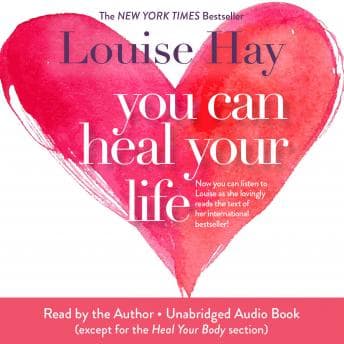

Look, I'm going to be upfront with you. This is not the kind of book I typically reach for. My parents didn't heal their dry cleaning business with affirmations - they healed it with 14-hour days and sheer willpower. So when Jenny suggested I listen to Louise Hay's You Can Heal Your Life, I had my skeptic hat firmly in place.
But here's the thing. At under 5 hours, this book respects your time. That alone puts it ahead of 80% of the self-help audiobooks cluttering my library.
Where My Consulting Brain Short-Circuited
The core premise - that our thoughts create our reality, that we're responsible for everything in our lives - is going to land differently depending on where you're at. For someone dealing with systemic barriers or genuine medical crises, the "you created this" framework can feel... problematic. I've seen toxic positivity wreck people in corporate environments. "Just think better thoughts" doesn't fix a broken supply chain.
But. And this is a significant but. Louise Hay isn't talking to McKinsey consultants optimizing quarterly reports. She's talking to people who've internalized shame, who carry childhood wounds like invisible backpacks, who've never been told they're worthy of love. For that audience? This might be genuinely transformative.
The affirmation exercises are simple. Almost too simple. "I love and approve of myself." Repeat. That's it. The repetition reminded me of the techniques in Practical Guide to Self-Hypnosis - same idea of rewiring through deliberate mental practice, just packaged differently. My ROI-focused brain wanted to dismiss this as fluff. Then I thought about the startup founders I've coached who work 80-hour weeks because deep down they believe they're not enough. Maybe they need this more than another productivity system.
The Voice That Sells It
Here's where the audiobook format matters. Louise Hay narrates this herself, and her voice is... warm. Grandmotherly. The kind of voice that makes you want to believe her when she says everything will be okay.
Is it slow? Yes. Monotone at times? Also yes. I listened at 1.5x (couldn't do my usual 2.0x - the pacing is already deliberate, and speeding it up felt wrong). Some people will find this soothing. Others will want to throw their phone across the room.
Fair warning: I've heard some editions switch narrators partway through, which sounds jarring. Make sure you're getting the version where Louise narrates the whole thing. Her authenticity is the product here.
The Uncomfortable Bit About Her Cancer Story
Louise Hay claims she healed herself from cancer using these mental techniques. I'm not a doctor. I can't verify this. What I can tell you is that making medical claims based on positive thinking is a slippery slope, and I've seen people delay real treatment chasing alternative solutions.
Take the cancer story as metaphor if you need to. The broader point - that chronic stress and negative self-talk impact physical health - has actual research behind it. The specific claim that you can think away a tumor? That's where I pump the brakes.
Who Should Listen (And Who Should Skip)
Best for: People who've never done any inner work. Folks recovering from toxic relationships or harsh upbringings. Anyone who needs permission to be kind to themselves. This is entry-level self-compassion, and there's nothing wrong with that.
Skip it if: You're looking for evidence-based psychology. You want actionable frameworks with measurable outcomes. You're already deep into therapy or personal development - this will feel remedial.
The production is clean. The anniversary edition has some bonus music content that's nice but not essential. At 5 hours, you can finish this in a day of errands.
Bottom Line
Here's my honest take: this book has helped millions of people. The Amazon reviews read like testimony at a revival meeting. Who am I to argue with that?
But it's not for everyone. If you're wired like me - analytical, skeptical, needs-data-to-believe - you'll spend half the book arguing with it in your head. That's okay. Maybe that's the point.
Jenny finished this book and said she felt lighter. I finished it and felt... thoughtful. Not converted, but thoughtful. Sometimes that's enough.
Would I recommend it? Sample the first chapter. If Louise's voice feels like a warm blanket, keep going. If it feels like nails on a chalkboard, read the book instead - you can skim the parts that don't land.
My parents would've called this book nonsense. But my parents also never took a vacation in 30 years. Maybe there's something to be said for learning to approve of yourself before the dry cleaning is done.