
What happens to the men who do the work that governments can't officially acknowledge?
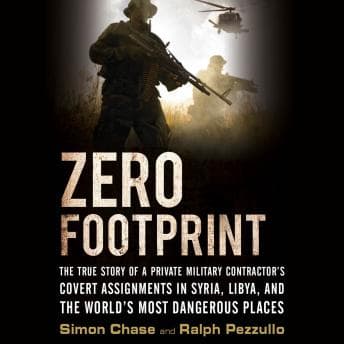
I was grading sophomore essays on The Great Gatsby at 11:30 PM—you know, the ones where every student discovers for the first time that the green light is a symbol—when I started this audiobook. Ten hours later, I'd barely touched the stack. My red pen sat untouched while Simon Chase described defusing IEDs in Libya and slipping through Syrian border crossings with forged documents.
This is not my usual territory. I teach Hemingway and Fitzgerald, not military memoirs. But here's the thing: Chase's account reminded me of what Hemingway said about courage—that it's grace under pressure. Except Hemingway was writing fiction. Chase is describing Tuesday.
The Walter Mitty Question
Let's address the elephant in the room, because one reviewer put it bluntly: is he telling the truth, or is this fantasy dressed up as memoir? My gut says... complicated. A Green Beret with twelve years of PMC experience validated the book as "accurate, no-holds-barred." But another listener sensed Chase was present for some missions and retelling others' stories as his own.
Honestly? That ambiguity might be the most authentic thing about the book. These operations are designed to leave zero footprint. Documentation doesn't exist. Witnesses are unreliable by design. Chase himself acknowledges that PMCs operate in moral and legal grey zones—why would the memoir be any different?
What I can say is that the operational details feel lived-in. The burner phones, the armored car protocols, the specific anxiety of operating without government backup or air rescue. If he's fabricating, he's doing it with the texture of someone who's at least been adjacent to this world.
Gildart Jackson's Steady Hand
Jackson narrates with the kind of measured British composure that works surprisingly well for this material. He doesn't try to be Jason Statham. There's no breathless action-movie energy here—instead, he treats Chase's accounts with the seriousness of a documentary narrator, which grounds the more explosive content.
The approach has trade-offs. During the Benghazi response sections, I wanted more urgency in the delivery. When Chase describes being one of the first responders after the consulate attack, the prose deserves to be savored, yes—but it also deserves some heat. Jackson keeps things controlled throughout, which occasionally flattens moments that should hit harder.
Still, for a ten-hour listen, his consistency is an asset. No vocal gymnastics, no distracting character voices. Just clean, professional narration that lets you focus on the content.
The Parts That Made Me Set Down My Coffee
The Bin Laden tracking sections in Afghanistan. The arms shipping networks. The matter-of-fact descriptions of what happens when extraction isn't coming and you're on your own.
But what struck me most—and this is the English teacher in me—is the book's central irony. These men do work that allows governments to maintain plausible deniability. They're essential and expendable simultaneously. No military honors. No benefits. Anonymous in death.
Chase writes about this without self-pity, which makes it land harder. There's a Hemingway-esque restraint in how he presents the emotional cost. The prose doesn't beg for sympathy. It just... reports.
Who This Is For (And Who Should Skip It)
If you're looking for a straightforward military memoir with clear heroes and villains, this isn't it. Chase operates in ethical murk, and the book doesn't pretend otherwise. My students would hate this—there's no tidy resolution, no redemption arc.
But if you want an insider's view of private military contracting—the actual mechanics of how these operations work, who funds them, what the personal costs are—this delivers. Readers who loved books like No Easy Day or American Sniper will find familiar territory here, but with more focus on the shadow economy of modern warfare. That same moral complexity runs through Promised Land, though it trades combat zones for political ones.
Skip it if you need certainty. Every chapter raises questions about accountability, legality, and whether the ends justify the means. Chase doesn't answer them. He just keeps taking the jobs.
Class Dismissed (Essays Still Ungraded)
I finished this at 2 AM, essays still ungraded. (Sorry, period 3. You'll get your feedback tomorrow.) The book isn't perfect—the pacing drags in spots, and some operational details blur together after hour six. The truth question lingers.
But as a document of a world most of us will never see? As a meditation on what it means to serve without recognition, to be useful and disposable? This is why we still read—or listen to—first-person accounts. Not for the explosions, but for the human being navigating impossible choices.
Chase and the men he works with are the unsung heroes or the unaccountable mercenaries, depending on your politics. Probably both. The book is honest enough to let you decide.








![Steve Jobs [unabridged audiobook] audiobook cover](/_next/image?url=https%3A%2F%2Fcovers.audiobooks.com%2Fimages%2Fcovers%2Ffull%2F9788499923406.jpg&w=1920&q=75)