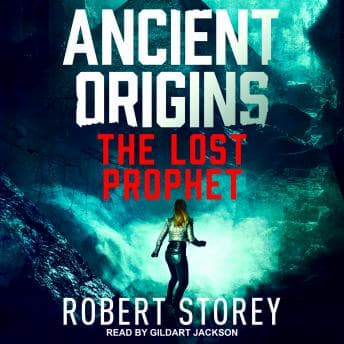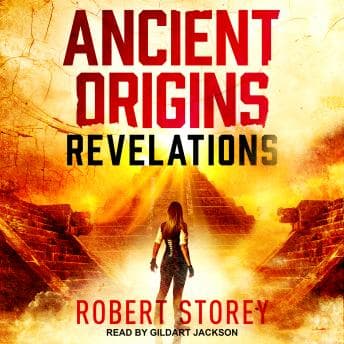

Okay, so picture this: I'm supposed to be debugging my procedural terrain generator for my thesis, but instead I'm thirteen hours deep into a story about ancient civilizations and an asteroid about to end humanity. My advisor would be disappointed. I am not.
Revelations grabbed me with a premise that's basically D&D meets disaster movie meets conspiracy thriller. Ancient advanced civilization? Secret underground facilities? Race against extinction? Look, Robert Storey knows exactly what buttons to push for people like me. And honestly, the world-building here is solid enough that I kept pausing my code to actually pay attention - which, if you know anything about how I usually multitask, is saying something.
The Lore Goes Deep (And I'm Here For It)
Here's the thing about this book - it's got layers. Sarah Morgan's archaeological treasure hunt across continents scratches that Indiana Jones itch, while Professor Steiner's underground bunker storyline gives you that claustrophobic "humanity's last hope" tension. The dual narrative structure works surprisingly well, bouncing between above-ground adventure and below-ground existential dread.
The ancient origins stuff? Chef's kiss. Storey doesn't just wave his hands and say "advanced ancestors, whatever." He actually builds out the mythology, drops breadcrumbs, makes you piece things together. It's not Sanderson-level magic system rigor, but for a sci-fi thriller hybrid, the world-building punches above its weight class. Space Prison has that same commitment to making its sci-fi premise feel grounded and thought-through. My D&D group would absolutely steal half these concepts for our next campaign.
But - and this is important - if you're not into info-dumps, you might struggle. There are sections where the exposition gets heavy. I personally love that stuff (give me all the lore, I will consume it), but I can see how some listeners might zone out during the more explanation-heavy passages.
Gildart Jackson Does the Heavy Lifting
Gildart Jackson has one of those voices that's just... pleasant? Like, genuinely enjoyable to have in your ears for thirteen hours. His pacing is on point - he knows when to speed up during action sequences and when to let tense moments breathe. The emotional delivery during the more dramatic beats landed for me.
Now, here's where I gotta be honest: the character differentiation isn't Steven Pacey territory. It's not bad, but if you're coming from narrators who do wildly distinct voices for every character, you might notice the limitations. Jackson gives you enough to track who's talking, but it's more subtle shifts than full-on character transformations. For me, it worked fine - his overall performance quality compensated. But if varied character voices are your dealbreaker, maybe sample first.
The production is clean. No weird audio artifacts, no jarring edits. Just smooth listening throughout.
Where It Dragged (Just a Little)
Look, thirteen and a half hours is a commitment. And while I was hooked for most of it, there were stretches in the middle where the pacing slowed down a bit too much. Some of the conspiracy reveals took longer than they needed to, and a few of the secondary characters felt more like plot devices than actual people.
Also - and this might just be me - some of the "bad guys protecting ancient secrets" stuff felt a touch predictable. You know the beats: shadowy organizations, people who know too much getting targeted, that whole thing. It's executed well enough, but if you've consumed a lot of this genre, you'll see some twists coming.
The action sequences though? Relentless. When this book moves, it MOVES. The asteroid threat creates genuine urgency, and Storey knows how to write set pieces that translate well to audio. That relentless momentum reminded me of Bound by Prophecy, which also knew when to hit the gas during its action beats.
Who Should Listen (And Who Should Skip)
If you're into sci-fi adventure with archaeological mystery vibes and you don't mind some exposition, this is a solid pickup. Perfect for lore-hungry nerds who want their ancient civilization conspiracies served with actual world-building depth. Skip it if heavy info-dumps make you zone out or if you need wildly distinct character voices from your narrator.
Would I Listen Again?
Honestly? Probably not a full relisten, but I'm absolutely grabbing the next book in the series. The ending sets up enough threads that I need to know where this goes. Plus, I've already fallen behind on my thesis anyway - what's another thirteen hours?
This is the kind of audiobook that's perfect for long drives or when you're doing something mindless that still requires your hands. I burned through most of it while pretending to organize my board game collection (I was not actually organizing, I was just standing there listening).
It's not reinventing the genre, but it's a fun, engaging ride with a narrator who keeps you company without getting in the way. Sometimes that's exactly what you need.