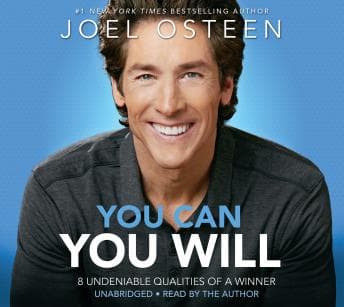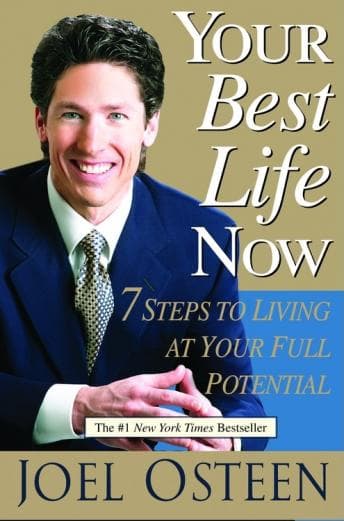

"God sees us as more than conquerors, able to fulfill our destiny."
I was about halfway through my morning jog when that line hit, and I actually stopped running for a second. Not because it was profound in some earth-shattering way, but because I found myself asking: what does this actually mean, psychologically speaking? And honestly, that question followed me through the rest of this six-and-a-half hour listen.
Look, here's the thing. I came to this audiobook as a researcher, not a devotee. I study how narratives shape identity, and Joel Osteen's brand of prosperity gospel is a fascinating case study in belief formation. The central premise—that what you believe about yourself literally determines your future—is basically cognitive behavioral therapy wrapped in scripture. My therapist would have thoughts about this approach, and not all of them would be negative.
The Psychology of Positive Self-Talk (With a Side of Texas Charm)
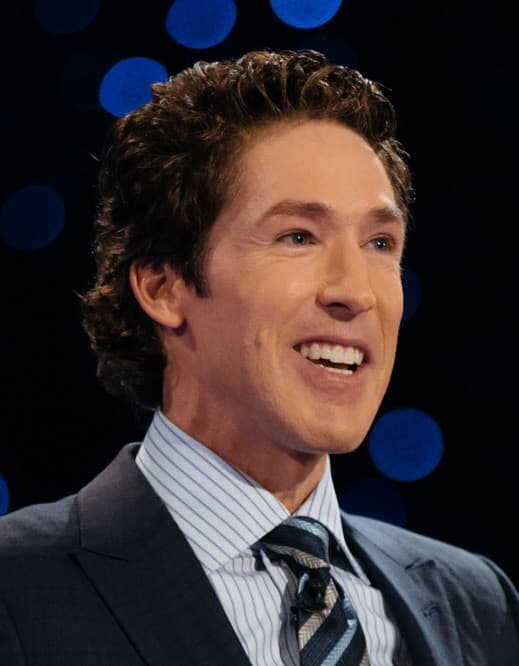
Osteen narrates his own book, and I have to admit—the man knows how to work a room, even when that room is just my earbuds and the Charles River. His voice is warm, genuinely soothing, and he delivers his message with the kind of practiced enthusiasm you'd expect from someone who preaches to 50,000 people every week. There's a conversational quality that makes the whole thing feel less like a lecture and more like a pep talk from your most optimistic uncle.
But here's where my research brain kicked in. Around hour three, I noticed the repetition. The same core ideas—believe bigger, expect God's favor, speak victory over your circumstances—cycle back again and again with slightly different anecdotes. Psychologically, this makes sense. Repetition is how beliefs get encoded. But as a listener? I started zoning out during my cool-down stretches.
The protagonist here (and yes, Osteen is very much the protagonist of his own narrative) exhibits classic external locus of control paradoxically packaged as empowerment. You're told you have the power to change your life through belief, but that power is always routed through divine intervention. It's a compelling psychological framework for people who need permission to hope. And there's nothing wrong with needing that permission.
Where the Message Gets Slippery
Okay, so I have to be honest about something that bothered me. The research actually shows that positive thinking has real limits—it can help with motivation and resilience, but it can't cure cancer or guarantee financial success. Osteen's framework doesn't really leave room for suffering that doesn't resolve into testimony. What happens to the people who believe with all their hearts and still lose?
(Don't get me wrong—I'm not here to trash someone's faith. But as someone who studies human psychology, the absence of nuance around failure and loss felt like a gap.)
The book works best when it stays in the lane of self-image and mental habits. When Osteen talks about not letting past failures define your future, about challenging negative self-talk, about the power of what you tell yourself—that's solid psychological ground. When it veers into "expect financial blessings" territory, I found myself less convinced. Falling Upward wrestles with similar spiritual territory but leaves more room for the messy parts of growth.
There's a bonus chapter on overcoming adversity that's exclusive to the audiobook, and honestly? It's one of the stronger sections. More grounded, more practical, less about prosperity and more about persistence.
Who Should Listen (And Who Should Skip)
Here's my honest take: if you're already aligned with Osteen's worldview, this audiobook will feel like a warm hug. His narration is genuinely pleasant—calming without being sleepy, enthusiastic without (usually) feeling forced. Perfect for morning commutes when you need something uplifting but not too demanding. Skip this if you're skeptical of prosperity gospel theology; you'll spend the whole time arguing with your earbuds. (Which, to be fair, I did.)
But I also found myself appreciating the underlying message about self-worth and belief systems, even when I disagreed with the packaging.
The audio quality is clean and professional—no complaints there. At 6 hours and 33 minutes, it's not a huge time commitment, though I'd recommend 1.25x speed unless you really want to marinate in each point.
What makes this book compelling is also what limits it: Osteen's absolute certainty. There's no wrestling with doubt here, no acknowledgment that the path might be messier than seven steps. For some listeners, that clarity is exactly what they need. For others (hi, it's me), the lack of complexity feels like a missed opportunity.
Would I recommend it? Sample first. If his voice and message click with you in the first twenty minutes, you'll probably love the whole thing. If you're already rolling your eyes, save yourself the jog.