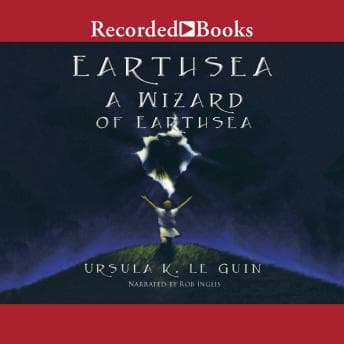

Look, I told my advisor Dr. Patel that I was spending the weekend "researching foundational narrative structures for procedural generation." Technically? Not a lie. Practically? I was ignoring my thesis to listen to a 50-year-old fantasy book because I needed a break from debugging code that refuses to compile.
Here's the thing about A Wizard of Earthsea. If you grew up on Sanderson's hard magic systems where everything has a rule and a physics equation (which, as a CS guy, I respect), Le Guin is going to feel… different. It's softer. More philosophical. But man, does it hit different at 2 AM.
High Intelligence, Low Wisdom Build
Let's be real—Ged is basically every D&D player's first wizard character. Min-maxed for power, absolutely zero points in Wisdom. He's arrogant, reckless, and messes with code—I mean, magic—he doesn't understand. He unleashes a shadow monster because he got into a measuring contest with another student. (We've all been there. Okay, maybe not the shadow monster part, but definitely the hubris.)
The magic system here is the OG "True Name" trope. To control a thing, you have to know its true name. It's basically pointer logic in C++. If you have the memory address, you own the object. Simple, primal, and honestly? Chef's kiss. It doesn't need complex charts. It just works.
Rob Inglis: Bard Mode Activated
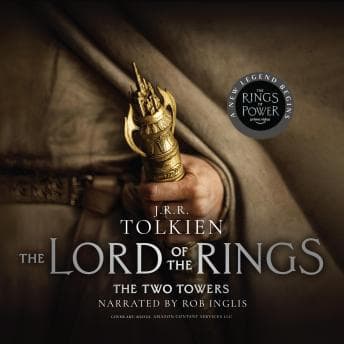
The narrator is Rob Inglis—yes, the guy who did the classic Lord of the Rings audiobooks. His Return of the King performance is basically the blueprint for this one. If you've heard those, you know exactly what you're getting.
He doesn't do the distinct, punchy character voices like Steven Pacey (who, let's face it, is the gold standard). Inglis sounds like a grandfather reading to you by a fireplace while smoking a pipe. Very theatrical. Old school. Some people online complain that his British accent gets "formal" or "grating," but I think they're missing the point. This is myth-making. You want a bard, not an actor.
However—and this is a big however—the production has these weird musical interludes. Trumpets. Random dramatic chords. Very 90s. It startled me while I was doing dishes. Adds to the retro charm, but if you want pristine, modern production like the Dungeon Crawler Carl books (Jeff Hays, you legend), this ain't it.
Seven Hours of Thesis Avoidance
It's short. Seriously. Seven hours and eighteen minutes. In a genre where I usually have to commit to 40-hour doorstoppers, this is a breeze. I finished it in two sittings.
Is it slow? Yeah. It's a slow burn. There aren't massive anime-style battles every ten minutes. It's about balance, and shadows, and growing up. It's the kind of book that makes you stare at the ceiling for a bit after it ends. (Which is great, because it gave me a solid excuse to not look at my thesis draft for another twenty minutes.)
Roll for Initiative (Or Don't)
Listen if: You want to see where modern fantasy magic systems came from—before Harry Potter went to class. Or you need a short, thoughtful palate cleanser between epic doorstoppers.
Skip if: You need constant action beats or crisp modern production. The 90s audio flourishes and meditative pacing will test your patience.
Just maybe speed it up to 1.25x if the "grandfather by the fire" vibe puts you to sleep.